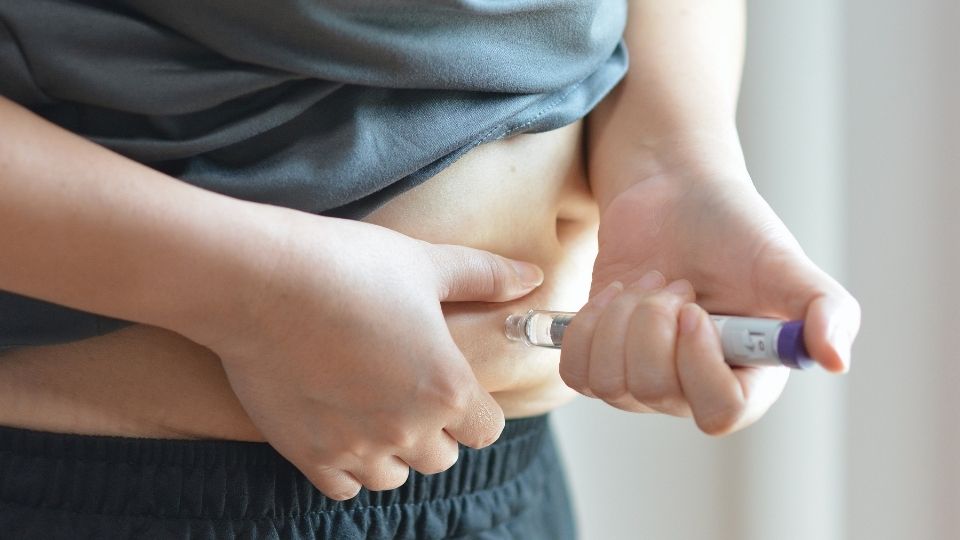

If you have been cutting calories and exercising regularly, but the scale still will not budge, the role of hormones in the background may be the silent force behind your disappointing results. Hormonal imbalances can affect weight loss by changing appetite control, energy expenditure, fat storage, and muscle mass. What makes things trickier is that a hormone imbalance can be difficult to detect, and may not be the first thought your medical provider has in addressing issues.
In this guide, you will learn how key hormones like insulin, leptin, ghrelin, thyroid hormones, cortisol, growth hormone, and sex hormones influence body weight and your weight management strategy. We will translate the opacity of the endocrine system into clear steps you can use to lose weight and keep it off. You will also see what the research says about insulin resistance, leptin resistance, and estrogen levels, and how a balanced diet, quality sleep, stress management, and regular exercise can bring hormone levels back into alignment for better health.
Quick Takeaways
- The role of hormones in weight loss explains why identical diets can work differently for different people
- Insulin resistance and leptin resistance affect appetite control and fat storage but can be improved with weight loss, sleep, and physical activity
- Thyroid function and body weight influence each other, with an underactive thyroid increasing weight gain due to slowing your metabolism
- Cortisol does not automatically cause fat gain, yet chronic stress often drives overeating and poor sleep that affect weight
- Menopause-related shifts in estrogen levels alter fat distribution, slow metabolism, and make it harder to maintain muscle mass
Hormone Imbalance & Weight Loss: The Role of Hormones and Energy Levels

The role of hormones in the body are to be it’s chemical messengers and conductors of the flow of energy through your different internal systems. Endocrine glands such as the pituitary gland, thyroid gland, and adrenal glands all release hormones that tell organs and fat cells how to use or store energy.
The hormone insulin regulates blood sugar and signals fat storage, leptin reports body fat stores to the brain, ghrelin stimulates appetite, thyroid hormones set metabolic rate (the speed your body burns calories), and cortisol helps coordinate the stress response that can affect weight gain.
| Hormone | Primary Function | Link to Weight Gain |
| Insulin | Lowers blood sugar | High insulin encourages fat storage |
| Leptin | Signals fullness | Leptin resistance reduces satiety |
| Ghrelin | Stimulates appetite | High ghrelin increases food intake |
| Thyroid hormones: Triiodothyronine (T3)/thyroxine (T4) | Sets metabolic rate | Low thyroid slows energy burn |
| Cortisol | Stress hormone | Chronic excess cortisol levels shift fat distribution |
| Estrogen | Reproductive and metabolic roles | Falling estrogen levels can increase abdominal obesity |
These hormone signals typically operate through negative feedback loops to maintain energy balance, body temperature, and blood glucose in stable ranges. However, when hormone levels drift out of balance, hunger may increase, metabolism slows, and the body burns fewer calories, which affects body fat and body weight. Potential hormone imbalances can be hard to detect at first, and you may be left wondering why all the hard work you put into diet and exercise is being continually undermined. For example, feedback loops between insulin and blood sugar, or between leptin levels and appetite, can rapidly shift appetite control, leading to rapid shifts in food intake, sleep, and stress levels.
While hormones can be difficult to control without a supervised medical plan, there are some general lifestyle changes that improve your hormone balance:
- Prioritize 7 to 9 hours of quality sleep to reduce excess cortisol and stabilize hunger hormone.
- Strength train to maintain muscle mass and improve insulin sensitivity
- Choose minimally processed foods with fiber and healthy fats to steady blood sugar
- Walk or do light activity after meals to improve glucose disposal
- Use stress management tools like breathing drills and short meditations
Insulin, Blood Sugar, and Fat Storage
Insulin is the hormone produced by the pancreas to keep blood sugar in range. Chronically high blood sugar from processed foods (sugary drinks, packaged snacks, pastas) can lead to insulin resistance. When insulin resistance develops, your body needs more insulin to move glucose into cells. High insulin levels favor fat storage and make it harder for you to lose weight with the same effort.
Research shows that weight loss often improves insulin sensitivity and helps reverse metabolic syndrome. Practical steps to regulate your insulin include:
- A balanced diet rich in fiber, protein, and healthy fats
- Exercising regularly to increases glucose uptake by the muscles.
Natural hormones such as glucagon-like peptide (GLP-1) and glucose-dependent insulinotropic polypeptide (GIP) influence insulin sensitivity and appetite signals, a process that underlies some anti-obesity medications like Liraglutide (Saxenda) and Tirzepatide (Zepbound). People vary widely in how their blood sugar responds to the same meal, so tailoring your diet can improve insulin sensitivity without extreme restriction.
Leptin and Ghrelin: Appetite Control and Leptin Resistance
Leptin, made by fat tissue, tells the brain you have adequate energy, and when it should curb the signs of appetite. In obesity, many people have high leptin but low leptin sensitivity, a state called leptin resistance, which blunts fullness signals and can cause weight gain. Leptin signaling can be blocked at the receptor level, and some weight loss treatments involve restoring your leptin sensitivity to help improve weight loss
Ghrelin (the hunger hormone) is made in the stomach and stimulates appetite, which can rise with sleep deprivation or dieting. If you have high levels of grehlin, you may have an extended or overwhelming hunger that prompts you to eat more than you need.
Thyroid Hormones and Metabolism
Thyroid hormones are central to the body’s chemical messengers for basal metabolic rate (BMR). Your BMR is a figure that represents the minimum number of calories you need to perform your body’s basic functions. When thyroid hormone levels are low, metabolism slows and energy expenditure drops, which can lead to weight gain and fatigue.
The relationship between weight and thyroid function is bidirectional, meaning they have influence over each other, and it’s not a one-way relationship. Obesity can alter the thyroid-stimulating hormone (TSH), and T4 (thyroxine) can sometimes present with subclinical hypothyroidism. Reducing excess weight can normalize some thyroid markers in people without hypothyroidism. If you have unexplained weight gain or cold intolerance, discuss thyroid testing with your care professional.
Cortisol, Stress, and Abdominal Fat
Your cortisol levels often rise with chronic stress and sleep deprivation. Elevated cortisol levels can affect appetite and fat distribution, sometimes favoring abdominal obesity. That said, evidence is mixed on whether cortisol directly causes fat gain for most people. Experts tend to associate cortisol imbalance with the secondary effects of being stressed, which often manifests in overeating behaviors for those struggling with weight gain.
The first approach for a cortisol imbalance is through stress management and quality sleep, which improves insulin sensitivity and ghrelin control. Try a daily 10-minute breath practice, limit late-night screens, and add a brisk 20-minute walk after dinner to improve blood sugar and stress response. Think of cortisol as a multiplier: it amplifies behavior patterns that can cause weight gain, but when you restore sleep and coping skills, losing weight becomes easier.
However, if you have signs of Cushing’s syndrome or have a history of chronically high cortisol, see a clinician for proper testing.
Sex Hormones, Menopause, and Fat Distribution

Sex hormones influence fat distribution and muscle mass, which can affect your attempts at a proper diet and exercise. For example, in menopause (the end of reproductive years), estrogen levels decline, and you notice increased abdominal fat and changes in insulin sensitivity.
Studies show that lower estrogen levels can reduce leptin signaling while increasing ghrelin, altering appetite control. Menopause can also intersect with a group of conditions called metabolic syndrome, increasing your risk of cardiovascular disease. Depending on health conditions, clinicians sometimes consider hormone therapy to reverse menopausal weight gain. Early evidence suggests transdermal estrogen may help specific metabolic outcomes, but these decisions must be individualized to meet your care needs.
Role of Hormones in Body Weight Treatment FAQs
Can hormonal imbalance cause weight loss as well as gain?
Yes. Severe hyperthyroidism can drive rapid weight loss, while low estrogen after menopause or hypothyroidism can cause weight gain. Appetite hormones such as ghrelin and leptin also change during illness or sleep loss. Work with your clinician to test hormone levels if you are experiencing unexplained weight change and tailor lifestyle changes to your endocrine system.
What is the best weight loss plan for hormonal imbalance?
You should focus on insulin sensitivity and appetite control. Include protein at each meal, fiber-rich carbs, healthy fats, and add regular exercise to your daily routine. Resistance training supports building muscle mass, and you should prioritize sleep while adopting techniques to manage stress in your life. If needed, ask about options that target GLP-1 pathways or medical weight loss.
How do I know if hormones are affecting my weight loss?
Clues include constant hunger despite eating, cravings after poor sleep, fatigue, cold intolerance, or abdominal fat gain during high stress. Screening for hormone balance might consist of fasting glucose, A1C, thyroid panel, and lipid profile. Your care provider may also evaluate sleep and stress patterns that impact ghrelin, leptin, and cortisol levels.
Do growth hormone and thyroid hormone affect how the body burns calories?
Yes. Growth hormone supports fat breakdown and protein synthesis, and thyroid hormones help set your basal metabolic rate (BMR). When thyroid levels are low, your metabolism slows and your body burns fewer calories at rest. Strength training and adequate protein help maintain muscle, which raises your daily energy expenditure.
Is cortisol stress and weight gain mostly a behavior issue or a hormone issue?
Both. Cortisol is a stress hormone that shapes your behavior and appetite. Evidence suggests stress often leads to overeating rather than directly slowing metabolism through the hormonal imbalance itself. Reducing your stress and improving sleep lowers cravings, supports insulin sensitivity, and makes weight loss easier to sustain.
What to Take With You About the Role of Hormones
Hormonal imbalances can quietly affect weight loss by altering your hunger signals, blood sugar control, energy balance, and fat distribution. While this subtlety can make these problems difficult to diagnose, the good news is that small daily changes you can make in your own life can help bring you back into sync with your body.
A balanced diet rich in protein and fiber, regular exercise with resistance training, quality sleep, and stress management create a foundation for improving insulin sensitivity, lowering excess cortisol, and supporting thyroid and leptin function. If you notice unexplained weight gain or persistent fatigue, speak with our healthcare professional at Azona Health about whether hormone treatment should be part of your weight loss recovery strategy. With consistent habits, you can leverage sometimes unruly hormones to lose weight, protect muscle mass, and move toward a healthy weight that lasts.