Have you been feeling off lately but can’t quite pinpoint why? Perhaps you’re experiencing unexplained weight gain, struggling with persistent fatigue, or noticing changes in your mood that seem to come out of nowhere. These could be signs of hormonal imbalance, a condition affecting millions of people worldwide. Your hormones are your body’s chemical messengers, orchestrating everything from metabolism and sleep patterns to reproduction and emotional well-being. When even one hormone falls out of sync, it creates a domino effect throughout your entire endocrine system.
This comprehensive guide explores the most common symptoms of hormonal imbalance and provides nine evidence-based strategies to help you restore balance naturally. Whether you’re dealing with thyroid issues, experiencing menstrual irregularities, or simply feeling like something isn’t right, understanding how hormone levels affect your overall health is the first step toward reclaiming your vitality.
Key Takeaways
- Hormonal imbalances affect multiple body systems simultaneously, causing symptoms ranging from weight fluctuations to mood changes and sleep disruptions
- Common causes include stress, poor nutrition, inadequate sleep, toxin exposure, and underlying medical conditions like polycystic ovary syndrome or thyroid disease
- Women may experience irregular periods, hot flashes, and vaginal dryness, while men often notice decreased muscle mass and changes in sexual function.
- Blood tests measuring hormone levels are essential for accurate diagnosis and determining the most effective treatment approach
- Lifestyle modifications, including balanced nutrition, regular exercise, stress management, and quality sleep, can significantly improve hormone balance.
- Professional medical guidance is crucial for developing personalized treatment plans that may include hormone replacement medications or other interventions
Most Common Signs of Hormone Imbalance
When trying to decide if you are suffering from a hormone imbalance, see how many of these symptoms you are experiencing:
- Unexplained weight gain
- Persistent fatigue
- Irregular periods
- Mood swings
- Sleep disturbances
- Hair loss
- Adult acne
- Decreased libido
- Hot flashes
- Night sweats
- Brain fog
- Anxiety
- Depression
- Difficulty concentrating
If you can count multiple signs of hormonal imbalance on this list at once, you will want to take a look at our top 9 ways, which, when combined with hormone therapy, can help balance the effects of chaotic hormones in your body.
9. Optimize Your Nutrition to Fight Hormone Imbalance

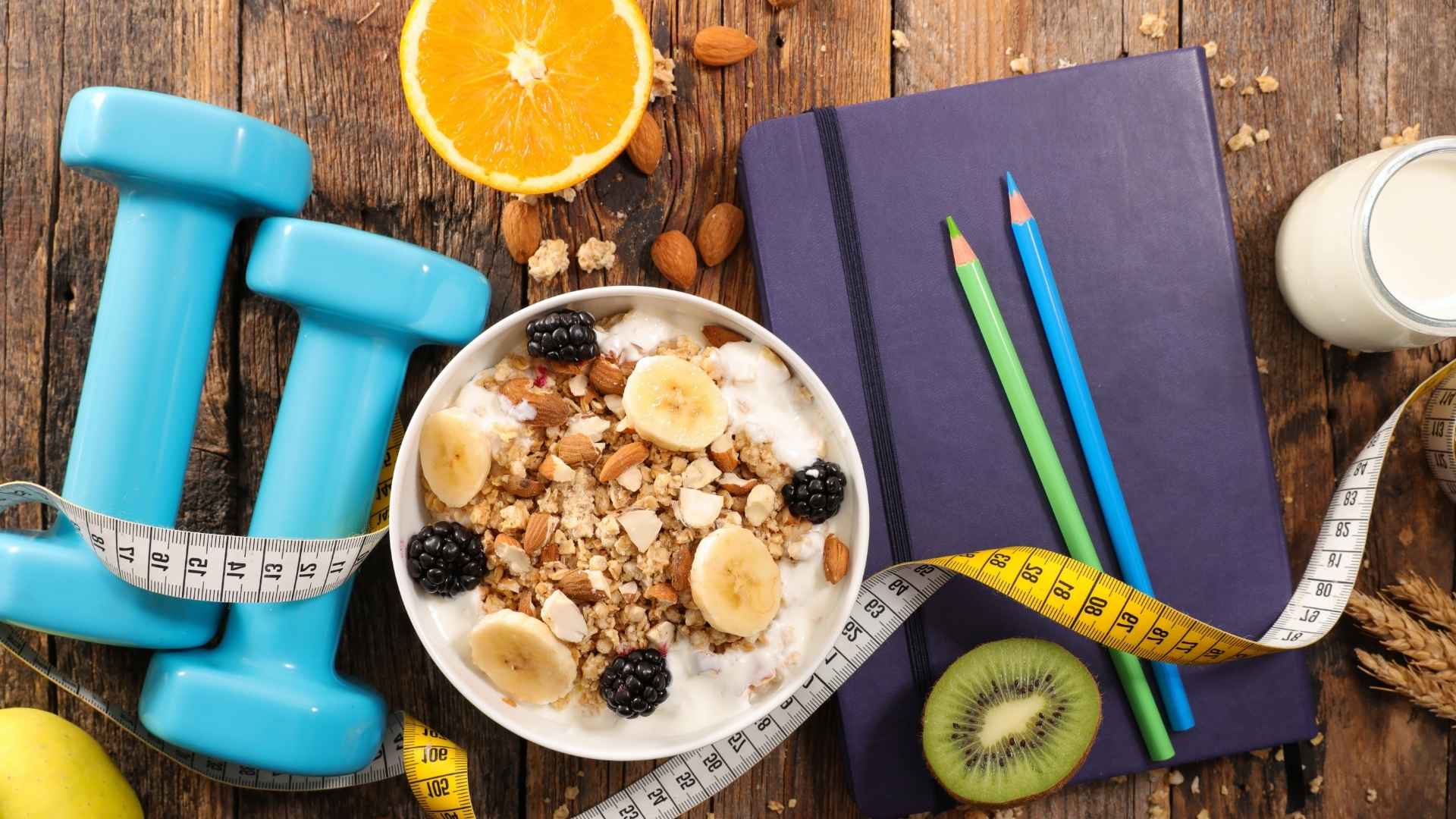
What you eat directly influences hormone production and function throughout your body. Your hormones control your metabolism, which will affect your appetite and energy expenditure throughout the day. Start by building a healthy diet around whole, unprocessed foods that provide the nutrients your endocrine glands need to function optimally. Include high-quality proteins at each meal to supply amino acids for hormone synthesis. Wild-caught fish, pastured eggs, grass-fed meat, and plant proteins like legumes and quinoa all support hormone production.
Don’t fear healthy fats, as they’re absolutely essential for balanced hormones. Your body manufactures steroid hormones from cholesterol, so adequate fat intake from sources like avocados, nuts, seeds, olive oil, and fatty fish provides necessary building blocks. Omega-3 fatty acids specifically help reduce inflammation that disrupts hormone signaling while reducing the symptoms of arthritis, kidney disease, and heart disease.
How to Address Blood Sugar and Hormonal Imbalance Symptoms
Balance your blood sugar by pairing complex carbohydrates with protein and fat. This combination prevents the insulin spikes and crashes that contribute to insulin resistance and hormonal chaos.
- Choose nutrient-dense carbohydrates like sweet potatoes, quinoa, and colorful vegetables over refined options.
- Fiber from vegetables, fruits, and whole grains helps eliminate excess hormones through digestive processes and feeds beneficial gut bacteria that influence hormone metabolism.
- Cruciferous vegetables deserve special mention for their hormone-supporting properties. Broccoli, cauliflower, Brussels sprouts, and kale contain compounds that help your liver process and eliminate excess estrogen.
- Reducing or eliminating processed foods, excess sugar, and alcohol decreases the burden on your detoxification systems, allowing them to function more efficiently.
8. Prioritize Quality Sleep
Sleep isn’t a luxury when it comes to hormone balance; it’s a biological necessity. During deep sleep stages, your body releases growth hormones for tissue repair and regeneration. Melatonin production follows circadian rhythms, helping regulate other hormones, including reproductive hormones and cortisol. Chronic sleep deprivation disrupts these patterns, causing cortisol to remain elevated when it should drop, while suppressing hormones that should rise.
Sleep disturbance is one of the problematic symptoms of women going through hormonal transition through menopause, affecting 40-60% of menopausal women. Here are some goals you should set for yourself to help achieve a better balance:
- Aim for seven to nine hours of quality sleep nightly.
- Establish a consistent sleep schedule by going to bed and waking at the same times daily, even on weekends.
- Create a sleep-conducive environment by keeping your bedroom cool, dark, and quiet.
- Limit large meals before bed, since they disrupt your body’s natural digestive process.
- Remove electronic devices that emit blue light, which suppresses melatonin production.
7. Manage Stress Effectively

Chronic stress wreaks havoc on your entire endocrine system, particularly through elevated cortisol (the stress hormone) levels. While acute stress responses are normal and healthy, remaining in a constant state of high alert depletes your adrenal glands and creates hormonal cascades that suppress thyroid function, disrupt reproductive hormones, and impair insulin sensitivity. Studies have found a strong association between stress and primary hypothyroidism, which can explain symptoms like constipation, fatigue, and rapid weight gain.
If anxiety or chronic stress significantly impairs your quality of life, consider working with a mental health professional. Cognitive behavioral therapy and other evidence-based approaches can help you develop healthier stress responses so your body can release hormones in a healthier way. Sometimes, addressing underlying anxiety or depression is necessary for hormones to return to balanced states.
6. Exercise Strategically
Physical activity influences multiple hormones simultaneously, making it a powerful tool for restoration. However, the type, intensity, and duration of exercise matter significantly. Moderate, consistent activity generally supports hormone balance, while excessive high-intensity training can actually worsen imbalances in some people.
The Centers for Disease Control (CDC) says to aim for at least 150 minutes of moderate aerobic activity weekly, spread throughout the week rather than condensed into a few sessions. Walking, swimming, cycling, and dancing all improve insulin sensitivity, support healthy cortisol patterns, and enhance mood through endorphin release. These activities stimulate hormone production without creating excessive stress on your endocrine system.
You should also incorporate strength training two to three times weekly to build muscle mass and support testosterone levels in both men and women. These can help you fight against chronic health conditions like joint inflammation and cardiovascular problems by reducing your fat cells. While you may gain weight when you build muscle, muscle is denser and takes up less space than fat does.
5. Limit Toxin Exposure
Environmental toxins act as endocrine (hormone) disruptors, interfering with hormone production, signaling, and metabolism. While you can’t eliminate all exposure, reducing your toxic burden helps your endocrine system function more effectively. Start by examining personal care products, as skin absorbs compounds that enter your bloodstream.
Choose cosmetics, lotions, and hair products free from parabens, phthalates, and synthetic fragrances. The Environmental Working Group’s Skin Deep cosmetics database helps identify safer alternatives.
Address water and food quality by filtering drinking water to remove chlorine, fluoride, and other contaminants. Choose organic produce when possible and store food in glass or stainless steel containers rather than plastic, and never microwave food in plastic containers, as heat releases endocrine-disrupting compounds.
Indoor air quality matters too. Use HEPA filters to reduce airborne toxins, open windows for ventilation when weather permits, and incorporate houseplants that naturally filter air. Avoid nonstick cookware containing (PFAS per- and polyfluoroalkyl substances) chemicals. Instead, cast iron, stainless steel, and ceramic options are safer alternatives. While these changes require effort, reducing toxic chemical exposure significantly supports your body’s natural state while helping you combat different hormonal imbalances.
4. Consider Taking Targeted Supplements
Certain nutritional supplements can support hormone balance when dietary intake falls short or specific deficiencies exist. However, always work with a healthcare provider before starting supplements, as incorrect dosing or combinations can cause problems or interfere with medications.
- Vitamin D: Functions more like a hormone than a traditional vitamin, influencing immune function, mood, and reproductive health. Many people have insufficient levels, particularly those living in northern climates or spending limited time outdoors. Testing helps determine if you need supplementation and appropriate dosing.
- Magnesium: Supports over 300 enzymatic reactions, including those involved in hormone production and stress response. It helps improve sleep quality, reduce anxiety, and support healthy blood sugar regulation. Omega-3 fatty acids from high-quality fish oil reduce inflammation and support cell membrane health, which affects hormone receptor function.
- Apoptogenic herbs: Ashwagandha, rhodiola, and holy basil help regulate cortisol levels and support adrenal function. Research suggests these botanicals improve resilience to stress without overstimulating or suppressing the stress response. Maca root has been traditionally used to support reproductive hormone balance and may help with symptoms during perimenopause (the transitional phase of menopause).
- Selenium and zinc: Essential for converting inactive thyroid hormone to its active form. Iodine is crucial for thyroid hormone production, but supplementation should be under medical supervision to avoid triggering autoimmune thyroid conditions. Probiotics support gut health, which influences hormone metabolism and the production of certain hormones in the digestive tract.
3. Maintain Healthy Body Composition
This one is related to some of the previous ways mentioned on this list, but it deserves a more specific mention. Your body fat percentage influences hormone production and function in significant ways. Adipose tissue isn’t just storage; it actively produces hormones and inflammatory compounds. Excess body fat, particularly visceral fat around organs, creates a pro-inflammatory state that disrupts insulin signaling and increases conversion of testosterone to estrogen.
However, too little body fat also causes problems, especially for women’s reproductive health and sex hormones. Estrogen levels fall when there is insufficient fatty tissue to support production. When body fat drops below certain thresholds, the body interprets this as a state of starvation and may shut down reproductive function to conserve energy. This explains why female athletes with very low body fat often experience irregular periods or amenorrhea (the stopping of menstrual periods).
Strength training becomes particularly important for maintaining healthy body composition as you age. Building lean muscle mass improves insulin sensitivity, supports metabolic rate, improves bodily functions, and helps maintain hormonal balance during life transitions like menopause or andropause. Combined with adequate protein intake, resistance exercise preserves muscle tissue that naturally declines with age and hormonal changes.
2. Track Your Cycles and Symptoms Through Lifestyle Changes
Knowledge is power when it comes to managing hormonal factors. Keeping detailed records of your symptoms, menstrual cycles, sleep patterns, energy levels, and other relevant factors helps you identify patterns and track progress. If you are on hormonal birth control, it may, over time, alter your natural estrogen levels, further impacting your body, brain, and chemical system.
Use a journal or smartphone app to track daily symptoms and their severity. Note how you feel throughout your menstrual cycle, if applicable, paying attention to patterns that emerge during specific phases. Track sleep quality, stress levels, exercise, and dietary habits alongside symptoms. Over time, you’ll likely notice connections between lifestyle factors and how you feel.
For women tracking menstrual cycles, note the start date, duration, flow heaviness, and any associated symptoms like cramping, mood changes, or bloating. Irregular patterns provide important diagnostic clues. Tracking basal body temperature (your resting body temperature) can help identify ovulation issues or thyroid gland problems affecting body temperature regulation, making you either too cold or triggering hot flashes.
1. Work With Healthcare Professionals to Figure Out the Role Hormones Play
Of course, the number one way to reverse hormonal imbalances is to work with medical professionals who understand them. While lifestyle modifications form the foundation of hormone balance, they’re often insufficient alone. Medical intervention becomes necessary when hormone imbalances stem from conditions requiring specific treatment or when symptoms significantly impair quality of life despite lifestyle optimization. You may also need medically-assisted treatment to change problematic behaviors that may be contributing to your hormone imbalance.
Hormone replacement medications help some people manage symptoms during menopause or andropause. Options range from vaginal estrogen for vaginal dryness to systemic estrogen therapy for hot flashes and other systemic symptoms. Testosterone therapy can improve energy, muscle mass, and libido in men with clinically low levels. Bioidentical hormones, which are chemically identical to hormones your body produces, are available in various forms, including pills, patches, creams, and pellets.
For polycystic ovary syndrome, treatment often combines lifestyle modification with medications. Birth control hormones can regulate menstrual cycles and reduce androgen hormones. Metformin improves insulin sensitivity by making your cells in the liver and muscles more responsive to insulin. Anti-androgen medications like spironolactone help with excessive hair growth and adult acne. Some women may be prescribed medicines for fertility if pregnancy is desired.
Insulin resistance may require medication if lifestyle changes don’t adequately improve blood sugar control. Metformin remains the first-line treatment, helping reduce hepatic glucose production and improve insulin sensitivity. Other medications target different aspects of your glucose metabolism. Managing insulin resistance helps prevent progression to type 2 diabetes and reduces associated hormonal disruptions.
Signs of Hormonal Imbalance FAQs
How do I tell if I have a hormone imbalance?
Common signs include unexplained weight changes, persistent fatigue, irregular periods, mood swings, sleep disturbances, hair loss, and adult acne. Blood tests measuring hormone factors provide a definitive diagnosis. If you’re experiencing multiple symptoms simultaneously, consult your healthcare provider for comprehensive hormone testing and evaluation.
How do you fix hormone imbalance?
Treatment combines lifestyle modifications with medical interventions. Prioritize quality sleep, balanced nutrition, stress management, and regular exercise. Your doctor may prescribe hormone replacement medications, thyroid medication, or other treatments depending on the specific imbalance. Consistency with healthy habits supports long-term hormonal balance.
Can hormonal imbalance cause sweating?
Yes, hormonal imbalances frequently cause excessive sweating. Hot flashes and night sweats occur during menopause due to declining estrogen levels. Thyroid hormone imbalances trigger temperature regulation problems, causing sweating episodes. Elevated cortisol from stress also increases perspiration. If sweating disrupts daily life or sleep, consult your healthcare provider.
Can hormonal imbalance cause cramps?
Yes, hormonal imbalances can cause cramping, particularly related to menstrual cycles. Excess prostaglandins (body regulator substances) triggered by hormone fluctuations intensify uterine contractions, causing severe menstrual cramps. Endometriosis and polycystic ovary syndrome also create hormone-related cramping. Thyroid imbalances may cause muscle cramps throughout your body, beyond menstrual-related discomfort.
Take Control of Your Hormonal Health Today
Understanding signs of hormonal imbalance empowers you to take control of your health rather than accepting symptoms as inevitable. Your hormones play critical roles in virtually every aspect of well-being, from energy and metabolism to mood, reproduction, and cognitive function. When these chemical messengers fall out of balance, the ripple effects touch every area of your life.
Don’t let hormone imbalances control your life. Azona Health offers convenient telehealth-enabled hormone therapy services with experienced providers who listen and create personalized treatment plans. Schedule your virtual consultation today to discuss your symptoms with experts, get comprehensive testing, and start your journey toward balanced hormones and renewed vitality from home.