Have you been searching for a way to lose pounds and finally sustain a healthy weight without bouncing back into old habits? If you feel like you’ve tried so many methods on your own and they haven’t worked, a supervised medical weight loss approach may be what you need.
In this comprehensive guide to medical weight loss, we’ll walk you through how a medically-supervised approach can set you up not just to shed excess pounds, but to build a foundation for long-term success. We’ll cover what medical weight loss really means, how it differs from fad diets, the science behind weight management, and how to craft a customized plan that includes a balanced diet, smart exercise habits, and healthy and sustainable strategies to maintain weight. By the end, you’ll have a clear roadmap for safe, sustainable weight loss that avoids the frustration of repeated weight gain, leverages evidence-based tools, and empowers you to live a healthier life.
Quick Takeaways
- Medical weight loss is a physician-supervised, tailored approach to achieving healthy, sustainable weight loss that goes beyond just implementing diet and exercise alone.
- A strong medical weight loss program includes medical assessment, personalized nutrition, exercise habits, behavioral support, and long-term maintenance planning.
- Embedding a balanced diet, choosing healthy foods, limiting processed items, and emphasizing whole grains, lean proteins, and healthy fats support your sustainable lifestyle change.
- Regular physical activity, including strength training, cardio, and lifestyle movement, is essential for fat loss, muscle preservation, and longer-term results.
- Maintaining your weight requires shifting from a “lose weight” mindset to a “healthy lifestyle” mindset, focusing on habits and health markers beyond the number you see on the scale.
- The best programs help you set realistic goals, monitor blood pressure, metabolic health, and body composition, and support you through setbacks and plateaus.
Understanding Medical Weight Loss

When we talk about medical weight loss, we’re referring to an approach in which healthcare professionals guide your weight-loss journey, rather than relying solely on self-help books, generic diet plans, or cultural weight-loss trends. Essentially, it is a structured path with guardrails to sustainable weight loss that includes medical evaluation, personalized nutrition and movement plans, behavior strategies, and often regular follow-ups.
Your path to success is not simply about reducing calories or starting a random, trendy weight-loss plan; it’s about aligning your weight goals with your overall health, body composition, metabolism, and specific needs. For someone who has tried multiple diets and exercise plans without lasting results, the extra reinforcement gives you the structure and support that you don’t get while on your own.
How Medically Supervised Weight Loss Differs from Traditional Diets
Traditional diets and weight-loss plans often focus too narrowly on eating less and moving more. While yes, calories in versus calories out is a simple principle that applies to weight loss, it brushes over the internal physical and mental side of implementing successful strategies. Medical weight loss takes this basic idea further by digging into the “whys” behind your current weight, such as hormonal imbalances, medications, underlying health conditions (such as thyroid or sleep disorders), and metabolic variations.
Unfortunately, much of the weight-loss conversation seems overwhelmingly dominated by fad diets and self-proclaimed gurus rather than medical professionals. A 2019 study found that only 1 in 10 patients were told to seek help with their weight loss from a medical professional. Long-term weight management is currently a challenge many people face, with a 2018 meta-analysis finding that more than half of the weight lost by those following traditional diet and exercise guidelines comes back within 2 years, and 80% of the lost weight is regained within 5 years.
Medical weight loss takes a deeper dive, with the focus on a future plan to follow that is more tailored to you, rather than a one-size-fits-all “low fat diet” or “low carb” current moment guidelines to follow. In other words, with medical weight loss, you still work on healthy foods, exercise habits, and calorie intake, but they’re embedded within a system that monitors your progress and makes adjustments as you go.
Who Can Benefit: Candidates & Eligibility
The ideal candidates for a medical weight-loss program are often those who face additional challenges beyond simple diet changes. Criteria for medical weight loss include individuals with a high body mass index (30+BMI or 27+ for weight-related issues), underlying health issues such as high blood pressure, diabetes, or sleep apnea, or those who have attempted weight loss multiple times without lasting success.
We recommend that you don’t wait until problems escalate. If you’re carrying excess weight and want to build sustainable habits rather than chase quick fixes, medical weight loss might be an appropriate choice. Apply through ourpatient portal to get a specialist consultation that will help with a plan to start losing weight.
The Science Behind Weight Loss: Why Excess Weight Impacts Heart Disease, Blood Pressure, Metabolic Health

Medically, carrying extra body fat is not just a matter of having a different appearance; it is also linked to your risk for key health conditions. For example, individuals with overweight or obesity level BMI’s are at increased risk of heart disease, elevated blood pressure, insulin resistance, and other metabolic concerns. Studies have found that grade 2 (35-39.9 BMI) and grade 3 (40+BMI) significantly associated with higher all-cause mortality, meaning deaths from all measurable causes: from heart disease to car accidents.
When you embark on a medical weight loss plan to reach a healthy weight, you’re not only shrinking your waistline; you’re actively working to reduce risk factors like high blood pressure, improve your metabolic health, and enhance your overall life functionality and outcomes. That means more energy, better mobility, safer activities, and fewer long-term health complications.
How Calories, Body Weight & Metabolism Interact
At its simplest, weight loss happens when you burn more calories than you consume. However, your body doesn’t always respond so predictably. These factors will influence your weight loss efforts:
- Metabolic rate
- Genetics
- Hormones
- Body composition (fat vs muscle)
- Sex
- Age
- Starting weight
- Physical activity
Basal Metabolic Rate (BMR) is a measurement that takes into account all your bodily characteristics to determine the minimum number of calories you need to function, and it serves as the starting point for your calorie budget for a weight-loss plan. Other factors that influence your BMR include age and sex. Men tend to have a faster metabolic rate than women, and younger people will generally have a faster BMR than older people.
In a medically supervised plan, dietitians and physicians assess how your metabolism is functioning, your body weight and body-fat %, and the safe calorie reduction for you. Treatment provides support for lifestyle changes aimed at losing fat while preserving muscle and optimizing your BMI (weight-to-height ratio) in a way that supports your overall health.
The Role of Body Mass Index, Body Fat, and Healthy Weight
BMI remains a standard screening tool, but it isn’t the whole picture. As you’ve learned, body fat, muscle mass, waist-to-hip ratio, and changes in physical activity are also key indicators when investigating treatment options. A healthy weight is not just about hitting a number on the scale; it’s about getting your body composition and metabolic health to a place where your daily function, energy levels, and disease risk all improve.
Key Components of a Medical Weight Loss Program

A medical weight-loss program is much more intensive than the practical tips offered by others struggling with their weight. Each component is tailored for you, taking into account your journey so far, medical history, and personal motivation.
Hormones, Thyroid, Medications, and Underlying Conditions
Hormonal and metabolic conditions can make losing weight much harder, for example, low thyroid, insulin resistance, or certain medications. A medically supervised plan examines these factors. By doing so, you’re setting yourself up for safe and sustainable weight loss, rather than diving headfirst into futile dieting efforts that don’t take this into account. Medical weight-loss programs emphasize treating root causes rather than just symptoms.
Personalized Nutrition Plan: Balanced Diet, Low-Fat Diet, Healthy Foods
With diagnosis complete, your nutrition plan becomes the next essential pillar of your treatment success. Instead of “one diet fits all”, your healthcare team (often a dietitian working alongside a physician) designs a meal plan focusing on healthy eating, a balanced diet, a low-fat diet where appropriate, an appropriate calorie deficit, and nutrient adequacy.
This dietary advice generally emphasizes healthy foods (whole grains, lean protein, vegetables, healthy fats), limiting processed foods and sugary drinks, controlling portion sizes, and learning how to count calories in a practical way so you are consuming fewer calories than before.
Dietary Advice: Healthy Eating Patterns, Low Fat, Whole Grains, Processed Foods
Rather than restricting entire food groups, the emphasis in medical weight loss is on incorporating whole grains, legumes, vegetables, fruits, lean proteins, healthy fats, and limiting calories from processed, high-sugar, high‐saturated-fat foods.
A 2025 health trial published in Nature Medicine found that weight change percentage over an 8-week period was significantly greater on a minimally processed diet compared to an ultra-processed diet. Other key health indicators, like body fat percentage, heart rate, and blood pressure, were also better under a minimally processed diet during the 8 weeks. In medically supervised plans, the diet will adjust over time, as you lose weight, your energy needs decrease, so the plan evolves rather than stays static.
Behavioral & Psychological Support: Emotional Eating, Stress Management
One of the often under-emphasized aspects is the mental side of weight loss. Many people struggle with emotional eating, boredom eating, stress-driven eating, or simply lack the habits for supporting long-term change. Medical weight loss programs typically include behavioral counselling, stress-management strategies, and help build healthy habits. Taking time to work on mindset and behavior from the start can accelerate results and prevent relapse.
Exercise Habits & Physical Activity: Building a Routine
No weight-loss plan is complete without ways to move your body. The exercise component of a medical weight loss program is tailored to your fitness level, health status, and weight-loss goals. Whether it’s walking, cardio, strength training, or flexibility work, the plan builds solid exercise habits and physical activity that you can maintain for life.
What many programs do differently:
- Integrate a gradual ramp-up of activity
- Emphasize muscle building (to maintain metabolism)
- Shift from short-term bursts to long-term lifestyle movement
Strength Training, Cardio, and Lifestyle Movement
Strength training helps preserve muscle mass as you lose body fat, while cardio supports calorie burn and heart health. These two together are critical for maintaining your body’s core strength, allowing you to function better in your daily movement (standing, brisk walking, incidental activity). Lifestyle movement is also emphasized in planning because it accumulates throughout the day and helps you stay in a higher activity bracket. This multi-pronged approach leads to successful weight loss and supports long-term maintenance of your results.
How to Sustainably Lose Weight and Prevent Weight Gain

Many people succeed at losing weight, then struggle with how to keep it off. That’s because the body’s calorie needs shrink when you lose weight, and old habits often creep back in. A well-designed medical weight loss program includes a plan for this transition.
This plan will gradually shift from “weight loss” mode to “maintenance” mode, emphasize maintaining weight, and adapt to your new energy needs. Think of the maintenance phase as “building your new baseline” rather than reverting to your old way of doing things.
Special Topics: Health Conditions & Medical Weight Loss
Now that you know the general ideas behind a medical weight loss treatment program, let’s look at some of the special considerations health professionals make when trying to fix eating habits and develop healthy ways for you to continue your sustainable journey.
Managing High Blood Pressure and Heart Disease Risk via Weight Loss
Excess weight often raises blood pressure and increases risk of heart disease. With medical weight loss, you’re not just losing fat, you’re lowering risk. Studies show that even modest weight loss (5–10%) can reduce blood pressure, improve cholesterol, and diminish cardiovascular risk. If your doctor prescribes medication for blood pressure, combining medical weight loss with nutrition and exercise can reduce or eliminate the need for medications over time (under supervision). A tailored plan that includes regular monitoring of blood pressure as you lose weight is a key differentiator of a strong medically supervised program.
Medical Weight Loss with Co-morbidities: Diabetes, Sleep Apnea, Hormonal Imbalances
Individuals with type 2 diabetes, PCOS, hormonal disorders, or sleep apnea often face added difficulty losing weight. Medical weight loss programs evaluate these conditions and integrate them into your plan rather than treating weight as an isolated problem. For example, programs may adjust diet, medications, or sleep quality to manage blood sugar. When weight loss is paired with therapy for underlying conditions, the result is often greater than the sum of parts. You may find your hunger decreases, your energy increases, and your metabolism improves, making sustaining weight loss easier.
When Medications or Surgery Enter the Picture: What to Know
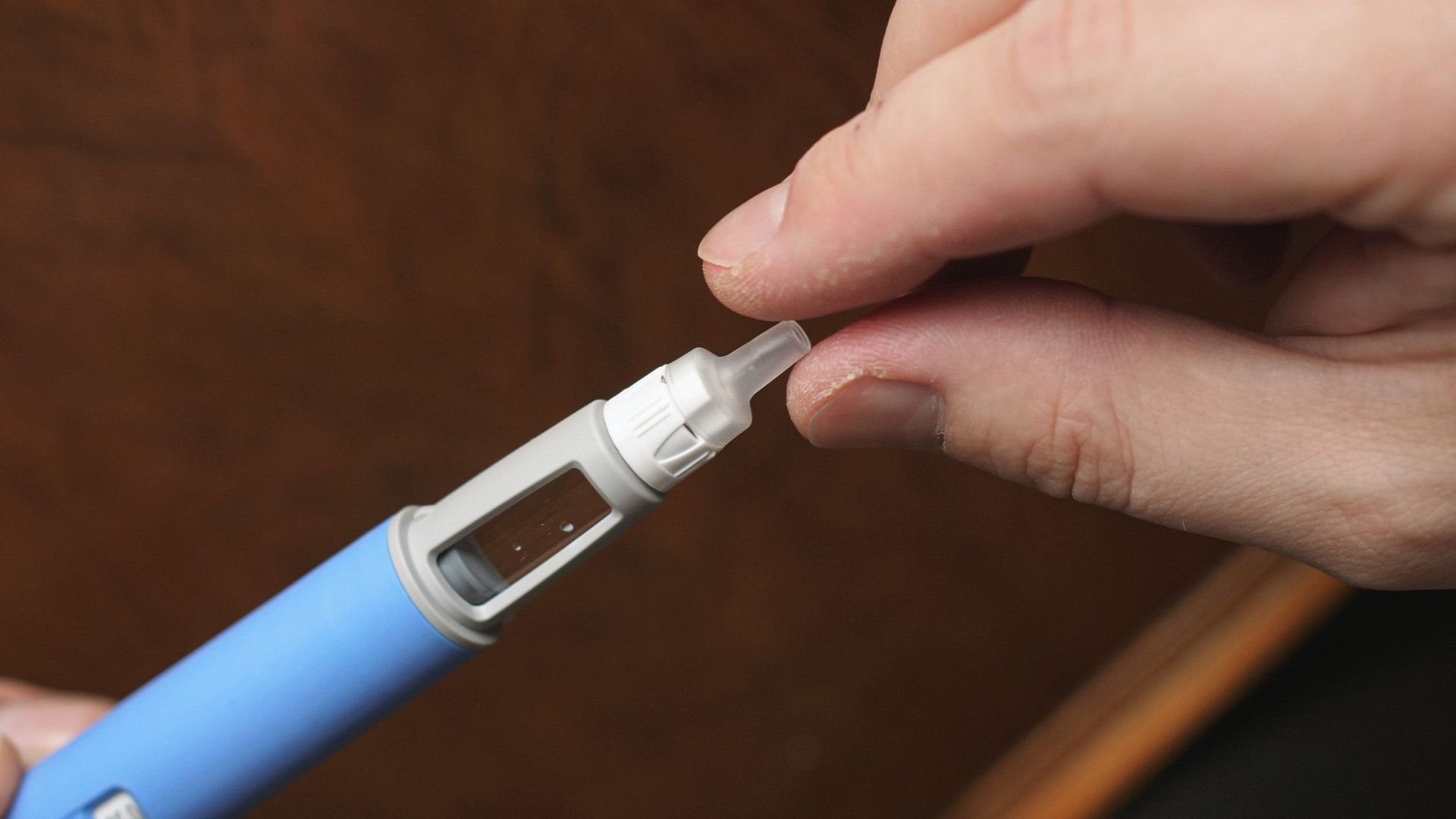
In some cases, when diet/exercise alone are insufficient, or when health risks are high, medical weight loss may include prescription medications, or even surgery (though surgery is generally in the specialist/bariatric domain).
It’s important to remember that medications, though helpful, are not a standalone solution. It is better to think of them as a tool within the broader framework of safe and sustainable weight loss. You’ll still need to adopt healthy eating, exercise, and behavioral changes for the best outcome.
Choosing the Right Medical Weight Loss Program or Provider

Armed with your knowledge of what makes a quality medical weight loss treatment plan, you can ask informed questions to ensure you are getting the best standard of care and be able to tell the difference between people who know their stuff and those who don’t.
Questions to Ask: Credentials, Support, Maintenance Plan
When selecting a program, ask:
- Are the supervising clinicians physicians experienced in weight management?
- Are dietitians included?
- Is there ongoing follow-up for maintenance?
- Does the plan emphasize maintaining weight rather than just losing it?
- Does it adapt over time?
A program that shifts you from “lose weight” mode into “life mode” (i.e., a sustainable, healthy lifestyle) is what separates a good plan from a great plan.
Cost, Insurance, Long-Term Follow-Up
Medically supervised weight-loss programs may cost more than generic programs, and insurance coverage may vary. However, investing in your health now may reduce future costs associated with heart disease, high blood pressure, diabetes, and other complications. This pays dividends for your health over time, and your own health is a form of wealth in itself.
Consider the program’s “aftercare” component. How long do they support you in maintenance mode? That may be the biggest factor in the cost-benefit equation.
How to Spot a Quality Program vs. a Fad
The best programs don’t have to try to flex their gimmicks or promises because they are confident in the rigor and results of the program itself.
Red flags for medical weight loss programs include:
- Unrealistic promises of “lose 30 lbs in 30 days”
- No medical assessment
- No clear maintenance plan
A high-quality program knows the right health markers to plan for (blood pressure, metabolic health), a balanced diet, exercise habits, behavioral support, and a realistic pace of weight loss.
Medical Weight Loss FAQs
What is medically supervised weight loss, and how does it work?
Medically supervised weight loss is a program led by healthcare professionals (doctor, dietitian, exercise specialist) that uses medical evaluation, customized nutrition and exercise plans, and behavioral support to help you lose weight safely and sustainably. The approach goes beyond generic diets by addressing underlying health issues and focusing on long-term results.
How soon can I expect to start seeing healthy weight loss results in a medical program?
In a medical weight loss program, you might begin seeing results within the first few weeks, but most safe and sustainable plans aim for steady loss (for example, 1 to 2 pounds per week) rather than rapid drops. This gradual pace supports long-term maintenance and reduces the risk of muscle loss or rebound weight gain.
Can a medical weight loss plan help me reduce my blood pressure and risk of heart disease?
Yes, because carrying excess weight often raises blood pressure, worsens cholesterol, and increases heart disease risk, effective weight loss through a medically supervised plan can improve these markers. Even a modest weight loss of 5-10 % has been shown to improve metabolic and cardiovascular health.
What happens after I lose weight in a medical program? How do I maintain the results?
After the active “lose weight” phase, a good program offers a “maintenance” phase that shifts your focus from cutting calories to maintaining your weight, helping you embed lasting habits. This includes continuing your exercise habits, healthy eating patterns, monitoring your health markers, and adapting your plan as your body and lifestyle change.
Are weight-loss medications or surgery part of medical weight loss?
Sometimes, yes, in cases where diet, exercise, and lifestyle changes alone are not enough, or where the health risk is high, medications or even surgery might be considered. But these are just some of the tools within a broader plan, and not miracle cures on their own. The key is to keep focusing on nutrition, movement, behavioral change, and supporting long-term results.
Final Thoughts From Azona Health Professionals
Embarking on a medical weight loss journey is not just about dropping the numbers on a scale or shedding extra weight; it’s also about reclaiming your health, building habits that last, and creating a new baseline for how your body functions and feels. By embracing a medically supervised approach, you give yourself the best chance of achieving healthy and sustainable weight loss, and the health benefits are hard to understate. Advice on weight loss from medical professionals is the best course to take to achieve safe and sustainable weight loss.
At Azona Health, you’ll benefit from expert evaluation, nutrition and exercise plans tailored to you, and behavioral tools that help you stay on track long after initial weight loss. The most meaningful victories may come not in the pounds lost but in improvements in your blood pressure, more exercise, essential nutrients, energy, and how your life feels every day. If you’re ready to take steps toward a healthier life, reach out to us to get started now. Your goal isn’t simply to lose weight or follow a low-carb diet trend; it’s to gain wealth in your health.