Have you noticed your jeans fitting tighter lately despite your diet remaining the same? You’re probably wondering at what age does the metabolism slow down and whether your body is betraying you. Here’s the truth: your metabolism doesn’t dramatically crash at 30 as popular myths suggest. Recent research into the topic has revealed that metabolic rate remains surprisingly stable from age 20 to 60, with the real slowdown beginning after reaching 60.
This article explores when metabolism changes actually occur, why they happen, and how medical weight loss programs can help you maintain healthy weight throughout your life. You’ll discover evidence-backed solutions for building muscle mass, managing body composition changes, and implementing lifestyle changes that support metabolic health at any age.
Quick Takeaways
- Metabolism remains stable from ages 20 to 60, contradicting a common belief that it drops significantly in your 30s
- The real metabolic slowdown occurs after age 60, with total daily energy expenditure declining by about 0.7% at the high end annually
- Age-related muscle loss (sarcopenia) contributes more to weight gain than metabolic changes, starting around age 30
- Body composition shifts play a larger role than metabolic rate in weight management as you age
- Medical weight loss programs address hormonal changes, insulin resistance, and other factors affecting metabolism
Understanding Your Metabolic Rate Through Life Stages

Your basal metabolic rate (BMR) represents the energy your body requires for basic functions like digesting food, building bone, and keeping your heart beating. During early life, from birth through adolescence, energy expenditure skyrockets as your body focuses on growth and development. Infants actually burn calories at rates 50% higher than adults when adjusted for body weight.
Between ages 20 and 60, your metabolism enters a plateau phase. A 2021 study published in Science analyzed data from over 6,400 people across 28 countries and found that tissue-specific metabolism remains remarkably consistent during these decades. This challenged decades of assumptions about middle-aged metabolism decline. Your body’s base ability to burn calories doesn’t significantly change during this period for many, even though many women and men report gaining weight.
When Will I Notice Base Metabolism Slowing?
After age 60, does metabolism actually slow down? Yes, but gradually. The study showed daily energy expenditure decreases by approximately 0.7% per year after 60, translating to roughly 20% lower energy needs by age 90 compared to middle age. This decline affects all organs and tissues, not just muscle mass. Understanding these patterns helps explain why older adults often need fewer calories to maintain body weight.
Body Composition Changes vs. Metabolic Changes
Many people blame slow metabolism for weight gain, but body composition shifts deserve equal attention. Your body size and the ratio of muscle to fat tissue influence total energy expenditure more than metabolic rate alone. Two people with identical weight and height can have vastly different metabolic needs based on their body composition.
As muscle tissue decreases and body fat increases with age, your body requires fewer calories even if the scale shows the same number. This explains why eating patterns that maintained your weight at 25 lead to gradual weight gain at 45. The problem isn’t necessarily that your metabolism slows dramatically; rather, your body composition changes reduce overall energy needs.
The Role of Fat Distribution Beyond Body Weight
Fat distribution also shifts with age. Younger adults tend to store fat subcutaneously (under the skin), while older adults accumulate more visceral fat around organs. This type of fat is metabolically active, releasing inflammatory compounds that worsen insulin sensitivity and increase disease risk. Medical weight loss programs address these body composition changes through comprehensive approaches, including nutrition, exercise, and, when appropriate, medications targeting insulin resistance.
Why Muscle Mass Matters More Than Age

When looking for perpetrators of weight gain, your muscles are often a bigger culprit to investigate than your metabolism. Muscle tissue burns significantly more calories at rest compared to body fat, making it your metabolism’s best friend in the right circumstances. Each pound of muscle burns approximately 6 calories daily at rest, while fat burns only 2 calories. When you lose muscle mass through inactivity or aging, your resting metabolic rate drops accordingly, creating a cascade effect that makes weight management increasingly challenging.
Age-related muscle loss typically begins around age 30, with people losing 3 to 8% of muscle mass per decade. This accelerates after age 60, when muscle loss can reach 1 to 2% annually. The process, called sarcopenia, occurs even in people maintaining a stable body weight because fat gradually replaces muscle tissue. This body composition change explains why many people struggle to lose weight using the same strategies that worked in their 20s.
Building Muscle Mass to Lose Weight
Building muscle mass through strength training counteracts this decline effectively, and it’s never too late to start trying. Studies show that older adults can increase muscle protein synthesis rates comparable to those of younger individuals when combining resistance exercise with enough protein intake. You don’t need hours at the gym; two to three weekly strength training sessions targeting major muscle groups preserve metabolic health and help maintain a healthy weight throughout your life.
What Age Does The Metabolism Slow Down: Hormonal Changes and Metabolic Dysfunction
Hormones orchestrate your metabolism like conductors leading an orchestra. As you age, hormonal changes significantly impact how your body processes food and stores energy. Human growth hormone production declines after age 30, a process called somatopause that reduces your body’s ability to build and maintain lean tissue. This hormone also influences how efficiently you burn calories and recover from physical activity.
How Hormonal Changes Affect Women
For women, menopause brings dramatic hormonal shifts typically between the ages of 45 and 55. Declining estrogen levels contribute to insulin resistance, making cells less responsive to insulin signals. This creates a vicious cycle where your body stores more calories as fat, particularly around the abdomen. Many women report gaining 5 to 10 pounds during menopause despite maintaining their previous eating habits.
How Hormonal Changes Affect Men
Men experience a gradual testosterone decline starting around age 30, losing roughly 1% annually. Lower testosterone reduces muscle mass while increasing body fat, particularly visceral fat surrounding organs. This shift raises risks for:
- Metabolic syndrome
- Type 2 diabetes
- Cardiovascular disease
A medical weight loss program can evaluate hormone levels and provide targeted interventions addressing these age-related changes rather than generic diet advice.
Medical Weight Loss Solutions for Age-Related Changes
Medical weight loss programs take a comprehensive approach, addressing the multifaceted causes of age-related weight gain. Unlike commercial diets offering generic meal plans, these programs begin with a thorough medical evaluation, including tests, body composition analysis, and hormone panels. A clinical dietitian and healthcare team create personalized eating plans based on your unique metabolic profile.
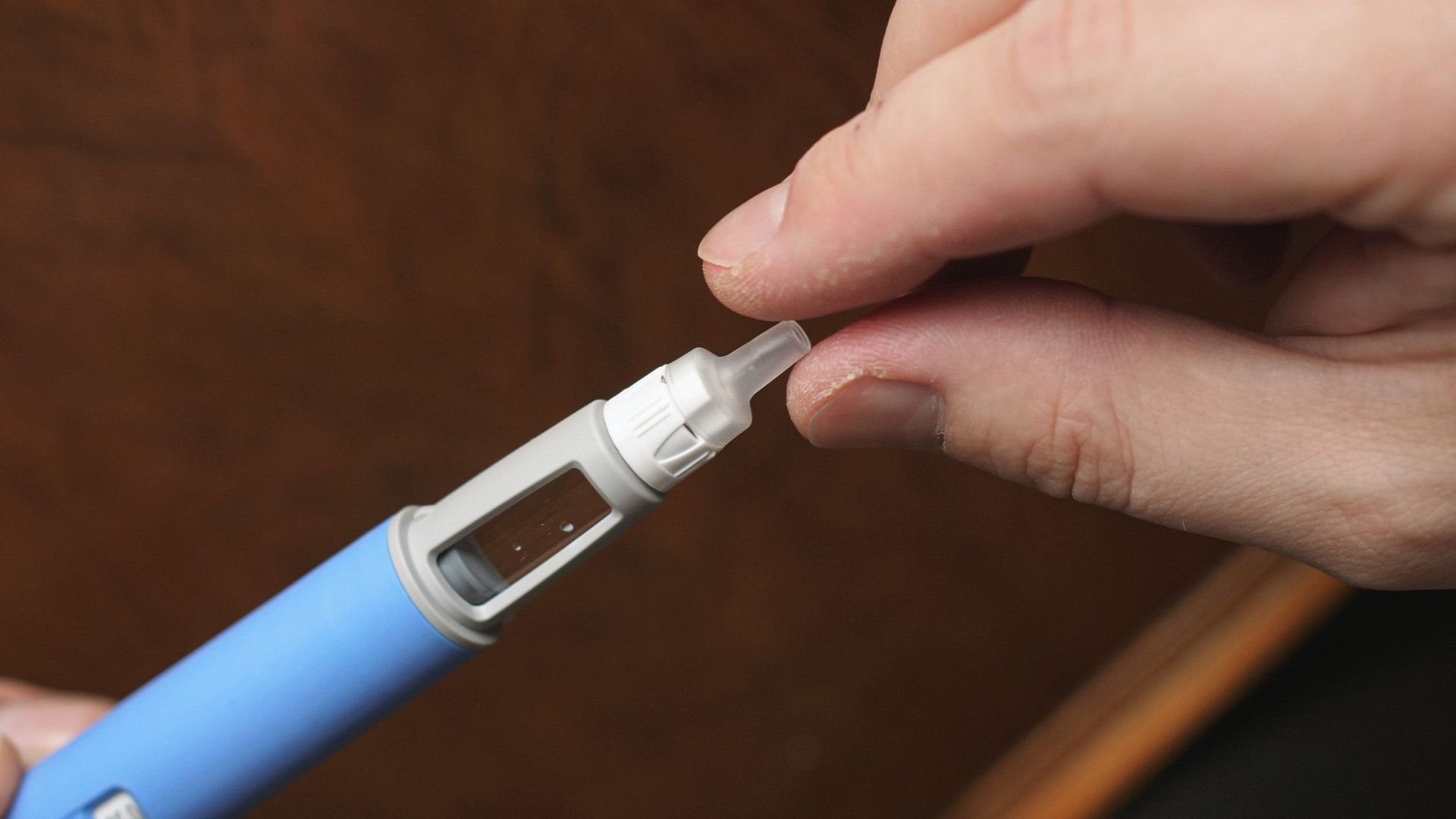
For some individuals, prescription medications support weight management when lifestyle changes alone prove insufficient. GLP-1 receptor agonists (gut hormone mimickers), originally developed for diabetes, help regulate appetite and improve insulin sensitivity. Other medications may address thyroid dysfunction or hormonal imbalances affecting weight. These interventions, combined with nutrition counseling and exercise guidance, produce better long-term outcomes than traditional dieting.
Medical supervision ensures safety and addresses underlying health conditions contributing to weight struggles. Certain conditions can sabotage your weight loss efforts without regard to your calorie intake or exercise, including:
- Hypothyroidism
- Polycystic ovary syndrome
- Sleep apnea
Identifying and treating these factors through medical weight loss creates sustainable results rather than temporary fixes that ultimately fail.
What Age Does the Metabolism Slow Down FAQs
What age has the fastest metabolism?
Infants and young children have the fastest metabolism, with energy expenditure rates about 50% higher than adults when adjusted for body size. Metabolic rate peaks during infancy, then gradually declines through childhood before stabilizing around age 20 and remaining consistent until approximately age 60.
What is the best medical treatment for weight loss?
The best medical treatment combines personalized approaches: comprehensive evaluation by healthcare professionals, prescription medications like GLP-1 receptor agonists when appropriate, clinical dietitian guidance, strength training programs, and treatment of underlying conditions like thyroid disorders or hormonal imbalances. Individual results vary based on health status and metabolic profile.
Take Control of Your Weight Loss Journey with Azona Health
Experience personalized medical weight loss from home through Azona Health’s convenient telehealth services. Connect with physicians and nutritionists, get informed on weight loss medications, and receive ongoing support, all without leaving your house. Skip the waiting room and start your transformation today with expert guidance tailored to your unique metabolic needs.