Ketamine therapy is rapidly emerging as a significant breakthrough in the treatment of various mental health conditions, particularly for those who have not found relief with traditional methods. Originally developed as a form of anesthesia and used in surgery and on the battlefields of the Vietnam War, ketamine has shown profound antidepressant effects.
What does ketamine therapy do for you? This innovative treatment works differently from conventional antidepressants by targeting the brain’s glutamate system, which can lead to rapid and significant improvements in mood and a reduction in symptoms for conditions like major depression and post traumatic stress disorder. This article will explore what ketamine therapy does, how it works, and what you can expect from the treatment process.
Key Points
- Ketamine therapy offers a rapid and effective treatment for conditions like treatment-resistant depression, PTSD, anxiety, and bipolar disorder.
- Unlike traditional antidepressants, ketamine works by modulating the glutamate system, helping nerve cells form new connections.
- Treatment, often administered as IV ketamine therapy across multiple sessions, occurs in a controlled clinical setting.
- Patients often experience significant relief from depressive symptoms within hours or days, rather than weeks.
- While generally safe under medical supervision, it is not a cure-all and requires a thorough evaluation to ensure it’s the right fit, especially for those with a history of substance use disorder.
What is Ketamine? The Evolution from Anesthetic to Mental Health Treatment
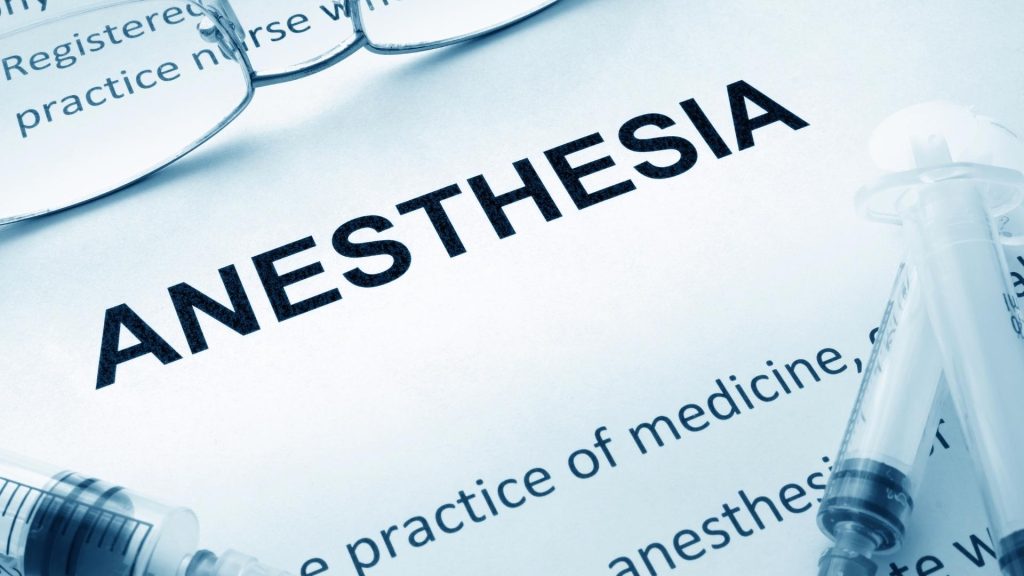
Ketamine’s journey into mental health care is unique. Its primary medical use for decades has been as a powerful anesthetic. However, its misuse as a recreational party drug has created public confusion. The recent, tragic death of actor Matthew Perry, linked to the acute effects of ketamine, underscores the dangers of using this substance without medical supervision, especially when combined with other substances like alcohol.
It is crucial to distinguish this from its therapeutic application. In a clinical setting, ketamine-assisted therapy involves low, controlled doses administered by medical professionals. While the esketamine nasal spray has specific FDA approval, IV ketamine therapy is used “off-label” for depression, a common and legal practice supported by years of robust clinical research. There is also no chemical relationship between ketamine and vitamin K, a common point of confusion.
What is Ketamine Used For?

Ketamine’s therapeutic benefits reach far beyond a single diagnosis, offering new hope for individuals living with complex mental health conditions that have not responded to traditional treatments.
What Does Ketamine Therapy Do For Depression?
Ketamine works differently from traditional antidepressants by targeting the brain’s glutamate system rather than serotonin. This unique mechanism promotes the rapid growth of new neural connections, helping to lift depressive symptoms often within hours.
This treatment has carved out a crucial space for treating major depression, especially in cases that are treatment-resistant. Controlled studies have found that ketamine therapies can help delay relapse compared to just a traditional antidepressant treatment course.
What Does Ketamine Therapy Do For PTSD?
Ketamine shows significant promise for individuals living with post-traumatic stress disorder. Research suggests it may help reduce the intense emotional charge attached to traumatic memories, making them feel less overwhelming and intrusive. It can also ease hypervigilance, that constant state of heightened alertness many PTSD sufferers experience, creating space for deeper therapeutic work and meaningful long-term healing.
What Does Ketamine Therapy Do For Anxiety?
Ketamine may offer meaningful relief for individuals struggling with anxiety disorders that have not responded to conventional treatments. By targeting the brain’s glutamate system, it can help quiet the overactive thought patterns and persistent worry that define anxiety. Many patients report feeling a noticeable sense of calm and emotional clarity following treatment, often within hours of their first session.
What Does Ketamine Do For Bipolar Disorder?
It is also being used to manage the depressive phases of bipolar disorder, though this requires careful expert management to avoid triggering manic episodes. Research shows it helps repair and create new connections between nerve cells, a process that can be damaged by chronic stress and depression.
| Condition | Mechanism of Action | Expected Outcome | Patient Considerations |
|---|---|---|---|
| Major Depression | Modulates glutamate, promotes synaptogenesis | Rapid reduction in depressive symptoms | Best for treatment-resistant cases |
| PTSD | May reduce PTSD symptoms | Decreased flashbacks and anxiety | Often used alongside psychotherapy |
| Bipolar Disorder | May improve bipolar depressive symptoms | Mood stabilization during depressive phases | Requires careful psychiatric oversight |
| Chronic Pain | Blocks NMDA receptors involved in pain signaling | Significant reduction in pain levels | Medical history of pain is evaluated |
The Process of IV Ketamine Therapy
IV ketamine therapy is a precisely managed medical procedure. During a session, a low dose of ketamine is administered intravenously over about 40 minutes. Your care team monitors your vital signs, such as blood pressure, throughout the process. A typical treatment plan involves an initial series of six to eight doses, or multiple sessions, spread over a few weeks. This is often followed by maintenance infusions to sustain the positive effects. It’s vital to abstain from consuming alcohol or other non-prescribed substances during treatment, as they can interfere with its effectiveness and pose safety risks.
How Does Ketamine Therapy Feel?

The subjective experience of ketamine therapy can vary. Many patients report a feeling of deep relaxation and a dream-like state. Dissociation is a common acute effect. How it relates to antidepressant outcomes is still under study; some models use psychotherapy to help patients integrate experiences.
It’s common to experience altered perceptions, and some may have an “out of body” experience. These dissociative effects don’t happen for everyone, and some models also utilize psychotherapy to help patients integrate these experiences into their treatment. It is important to remember that these feelings are temporary and occur in a safe, monitored environment. The goal is not the experience itself but the profound antidepressant effects that follow.
Common vs. Serious Side Effects
| Common Side Effects | Explanation | Serious Side Effects | Explanation |
|---|---|---|---|
| Nausea | Can often be managed with anti-nausea medication. | High Blood Pressure | Monitored closely during infusion. |
| Drowsiness | Usually subsides shortly after treatment. | Allergic Reaction | Rare, but medical team is prepared. |
| Dissociation | Feeling of detachment, which is a known effect. | Substance Abuse Potential | Risk is low in a clinical setting. |
| Dizziness | Temporary and resolves after the infusion. | Worsened Depression | Very rare, but requires immediate attention. |
The Role of the Care Team and Integration
A dedicated care team is fundamental to success and safety. This team works to create a personalized plan, especially for patients with a co-occurring substance use disorder, which requires careful assessment. A key component is ketamine assisted therapy, which pairs infusions with psychotherapy. This integration helps you process insights from the ketamine experience and translate them into lasting changes, making the treatment more than just a temporary fix.
- Initial Consultation: A thorough review of your medical and mental health history.
- Treatment Sessions: Administering the ketamine infusion while monitoring your well-being.
- Integration Support: Helping you process your experiences and integrate insights gained into your daily life.
- Follow-Up Care: Adjusting the treatment plan as needed and providing ongoing support.
Who Is a Good Fit for Ketamine Therapy?

Not everyone struggling with depression, PTSD, or anxiety is automatically a candidate for ketamine therapy. The treatment is most appropriate for individuals who have already tried conventional approaches, such as multiple antidepressant medications, cognitive behavioral therapy, or other evidence-based treatments, without achieving adequate relief. This profile is often referred to as treatment-resistant, and it represents a significant portion of people living with chronic mental health conditions.
A good candidate is generally someone who is medically stable, has no personal or family history of psychosis or schizophrenia, and does not have uncontrolled high blood pressure or active cardiovascular disease. People with a current, active substance use disorder may require additional evaluation before being cleared for treatment, since ketamine itself carries a potential for misuse outside of clinical settings.
When is Ketamine Therapy Not Recommended?
Certain populations require extra caution.
- Pregnant women are typically not considered eligible due to limited safety data. Individuals with a history of mania or who have been diagnosed with certain personality disorders may also need more comprehensive psychiatric screening before proceeding.
- People who are highly sensitive to dissociative experiences or who have a history of severe adverse reactions to anesthesia should discuss this thoroughly with their care team before committing to treatment.
- Age is also a relevant factor. While ketamine therapy is primarily studied and administered in adults, some clinicians are beginning to explore its use in adolescents with severe, treatment-resistant depression under strict supervision. This remains an emerging area, and guidelines are still being developed.
The intake process exists precisely to answer these questions. A thorough consultation with a qualified provider will assess your full medical and psychiatric history, your current medications, and your goals for treatment, so that the plan developed is genuinely tailored to your needs.
How Do I Prepare for Ketamine Therapy?
Preparing for ketamine therapy begins with an honest and thorough consultation with your treatment provider.
- Share your full medical history, current medications, and any history of substance use so your care team can tailor the experience safely to your needs.
- In the days leading up to your session, prioritize quality sleep, stay hydrated, and avoid alcohol.
- On the day of treatment, fast for several hours beforehand and arrange for someone you trust to drive you home afterward.
Most importantly, approach the experience with an open mind. The more prepared and relaxed you feel going in, the more receptive you will be to the healing process.
How Much Does Ketamine Therapy Cost?
Cost is one of the most frequently searched questions surrounding ketamine therapy, and it deserves a candid answer. A single IV ketamine infusion will cost hundreds of dollars in the U.S., commonly reported at ~$400–$1,000+depending on clinic and location. Since a standard initial treatment series involves six to eight infusions, the total out-of-pocket cost for the induction phase alone can range from approximately $2,400 to $6,400+.
Maintenance infusions, which many patients need to sustain their results, add to this ongoing expense. These are usually administered monthly or as needed, and each session carries a cost similar to the initial infusions. At Azona Health, we offer ketamine therapy at a competitive rate, paid for on a monthly basis as part of a customized treatment plan.
Does Insurance Cover Ketamine Therapy?
This is where many patients face frustration. Because IV ketamine is used off-label for mental health conditions, many major insurance providers do not currently reimburse it. However, the landscape is shifting. Some insurers are beginning to cover it on a case-by-case basis, particularly when there is documented evidence of treatment-resistant depression and prior treatment failures. It is worth contacting your insurer directly and asking specifically about coverage for ketamine infusion therapy for depression.
Esketamine nasal spray, sold under the brand name Spravato, has FDA-approval for treatment-resistant depression and major depressive disorder with suicidal ideation. Because of this approval, insurance coverage for Spravato is more widely available, though prior authorization is usually required. The administration of Spravato also differs, it must be taken under supervision in a certified healthcare setting, and patients are monitored for at least two hours after each dose.
Some clinics offer financing plans or work with healthcare lending companies to make the cost more manageable. If cost is a significant barrier, it is worth asking your provider about payment options before ruling out treatment altogether.
How Long Do the Effects of Ketamine Therapy Last?

One of the most common concerns people have before starting ketamine therapy is how long the benefits will actually hold. This is a fair and important question, and the honest answer is that it varies considerably from person to person.
For many patients, the initial series of infusions produces relief that lasts anywhere from several weeks to several months. Some individuals experience sustained improvement for six months or longer after completing the induction series. Others find that symptoms begin to return sooner, necessitating a more structured maintenance schedule.
Factors That Influence How Long Results Last
Several variables appear to influence the durability of ketamine’s antidepressant effects.
- People who engage in psychotherapy alongside their infusions, a model known as ketamine-assisted psychotherapy, tend to experience longer-lasting improvements. This makes intuitive sense: the ketamine creates a window of neurological flexibility during which the brain is more receptive to forming new patterns of thought and behavior, and therapy helps consolidate those changes.
- Lifestyle factors also play a role. Sleep quality, physical activity, stress levels, and social support all interact with the neurobiological changes that ketamine initiates. Patients who make meaningful adjustments in these areas during and after treatment tend to report more durable outcomes.
- Underlying diagnosis matters as well. Patients being treated for PTSD alongside depression, for example, may respond differently than those with major depression alone. Chronic pain patients who receive ketamine for overlapping mood symptoms may also have a different trajectory.
The maintenance infusion model exists specifically to address the variability in duration. Rather than viewing ketamine as a one-time cure, most clinicians frame it as an ongoing tool, one that can be adjusted in frequency based on how well a patient is maintaining their progress.
Ketamine Therapy vs. Other Alternative Treatments
For people researching options beyond traditional antidepressants, ketamine is often considered alongside other emerging treatments. Understanding how it compares can help you have a more informed conversation with your provider.
Ketamine vs. TMS (Transcranial Magnetic Stimulation)
Transcranial magnetic stimulation, or TMS, uses magnetic pulses to stimulate specific regions of the brain associated with mood regulation. Like ketamine, it is used for treatment-resistant depression and is non-pharmacological in nature, meaning it does not introduce a drug into the body. TMS typically requires daily sessions over four to six weeks and is FDA-approved for depression. Its side effects are generally mild, with the most common being scalp discomfort and headache. It does not produce the dissociative effects associated with ketamine.
Ketamine tends to act faster than TMS, often producing noticeable relief after just one or two infusions, while TMS results usually build gradually over the course of the treatment series. Both are legitimate options, and some patients with severe, rapidly escalating symptoms may be better served by ketamine’s speed of action.
Ketamine vs. ECT (Electroconvulsive Therapy)
Electroconvulsive therapy carries a stigma largely inherited from outdated portrayals in popular culture, but it remains one of the most effective treatments available for severe, treatment-resistant depression. Modern ECT is performed under general anesthesia and is far more refined than its historical reputation suggests. It is typically considered when other options, including ketamine, have not produced adequate results or when a patient presents with immediate safety concerns.
Compared to ECT, ketamine is less invasive, does not require general anesthesia, and carries a lower risk of memory-related side effects. However, ECT may be more appropriate in certain clinical scenarios, and the two treatments are not necessarily in competition, they address different levels of severity and different patient profiles.
Ketamine vs. Psilocybin-Assisted Therapy
Psilocybin therapy is generating significant research interest and, in some jurisdictions, is becoming available through regulated clinical programs. Like ketamine, psilocybin produces altered states of consciousness that appear to create neuroplastic changes in the brain. Early clinical trials have shown promising results for depression and PTSD.
The key practical difference is availability. Ketamine is legal and available now in clinical settings across the country. Psilocybin remains a Schedule I controlled substance at the federal level, meaning access is currently limited to approved research settings or specific state-regulated programs. For someone seeking treatment today, ketamine is the more immediately accessible option among these newer, consciousness-involving therapies.
What to Do After Ketamine Therapy
The period immediately following a ketamine infusion, and the broader weeks after completing a treatment series, is a critical window that is often underemphasized. The neurological changes initiated by ketamine create a state of heightened plasticity, meaning your brain is more capable of forming new connections and breaking old patterns. What you do during this period can meaningfully influence how well those changes take root.
Integration Practices That Support Recovery
Many clinics now offer structured integration support as part of their programs. This may include individual therapy sessions, guided journaling prompts, breathwork, or mindfulness practices. The goal is to help patients make conscious use of the insights and shifts in perspective that often emerge during and after infusions.
Beyond formal integration therapy, simple daily habits carry significant weight. Establishing consistent sleep routines, reducing alcohol consumption, engaging in regular physical movement, and nurturing supportive relationships all reinforce the neurobiological shifts that ketamine initiates. Conversely, returning immediately to high-stress environments, poor sleep, or substance use can erode the treatment’s benefits more quickly.
It is also worth scheduling a follow-up appointment with your care team within the first week or two after completing your initial series. This gives your provider an opportunity to assess your response, document what changed, and begin planning whether maintenance infusions or additional therapeutic support would be beneficial going forward. Ketamine therapy is most effective when it is embedded within a broader, ongoing approach to mental health care, not treated as a standalone event.
What Does Ketamine Therapy Do: FAQs
How quickly does ketamine work for depression?
One of the most remarkable qualities of ketamine is how rapidly it works. Many patients begin noticing meaningful improvements in mood and a reduction in depressive symptoms within just hours to days after their first infusion. For individuals who have spent years struggling with treatment-resistant depression, that speed of relief can feel genuinely life-changing.
Is ketamine therapy addictive?
When administered in a controlled clinical setting under proper medical supervision, the risk of developing an addiction to ketamine is very low. The doses used for mental health treatment are significantly smaller and given far less frequently than recreational use. Patients are also carefully screened and monitored throughout the process, adding an additional layer of safety and oversight.
What are the Benefits of Ketamine Therapy?
Ketamine therapy offers a range of meaningful benefits, particularly for individuals who have not responded to traditional treatments. These include rapid relief from depression and anxiety, reduced suicidal ideation, improved mood stability, and enhanced ability to engage in talk therapy. Its fast-acting nature and low addiction risk when clinically administered make it a promising and increasingly trusted option.
A New Path Forward with Ketamine Treatment
Ketamine therapy represents a paradigm shift in how we approach mental health, offering tangible hope and rapid relief. Working on a different neural system than traditional medications opens up new possibilities for healing. At Azona Health, we are committed to guiding you on your journey to wellness. Contact us or visit our patient portal to get started on discovering the benefits that ketamine therapy can bring to your own life.