
If you’ve been researching weight loss medications, you’ve probably come across Zepbound and Ozempic. Both are prescription injections that have reshaped how clinicians approach obesity treatment and diabetes, and both have dominated headlines thanks to dramatic patient results. But are they actually the same drug?
The short answer is no. While Zepbound and Ozempic share some similarities in how they work, they contain different active ingredients, carry different FDA-approved indications, and produce different outcomes in clinical trials. If you’re considering a medically supervised weight loss program, understanding these differences can help you and your healthcare provider choose the right option for your goals.
Below, we’ll break down how these two weight loss medications compare, what the research actually shows, and what to expect if you start treatment.
Is Zepbound the Same as Ozempic? The Short Answer
No, Zepbound and Ozempic are not the same drug. They belong to related drug classes of incretin-based therapies, but they contain different active ingredients. Zepbound’s active ingredient is tirzepatide, while Ozempic’s active ingredient is semaglutide. They are FDA-approved for different uses and act on different receptors in the body.
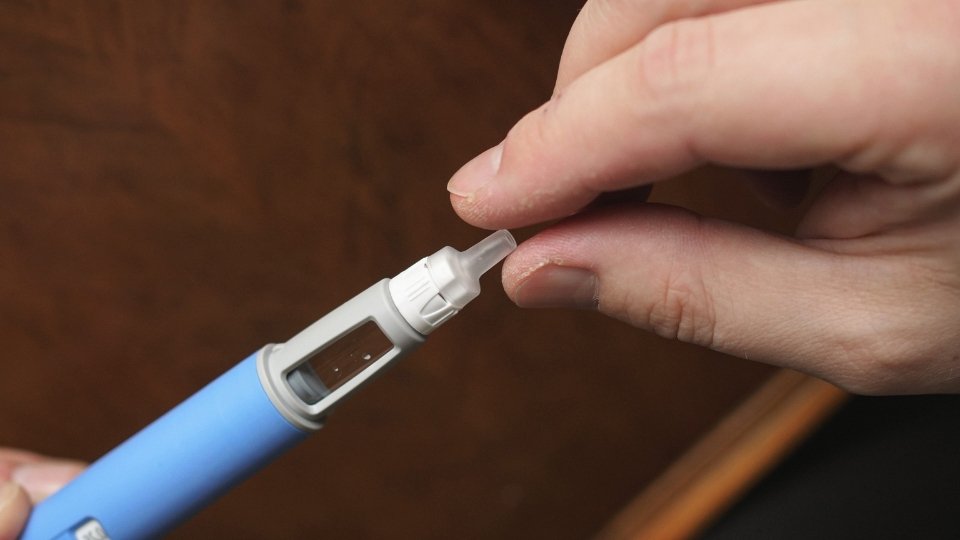
Despite these differences, both medications are administered as once-weekly subcutaneous injections, and both help people lose weight by targeting appetite regulation and metabolic health. They are not the same drug, but they are closely related cousins in the same therapeutic family.
What Is Zepbound? The New Weight Loss Drug Explained
Zepbound is a newer weight loss drug from Eli Lilly that received FDA approval for chronic weight management in late 2023. It’s specifically indicated for adults with obesity, or adults who are overweight with at least one weight-related health condition, such as high blood pressure, high cholesterol, or heart disease.
Zepbound’s active ingredient, tirzepatide, is the same active ingredient found in Mounjaro, Lilly’s diabetes medication. The key difference between zepbound and mounjaro is simply the FDA-approved indication: zepbound and mounjaro contain identical tirzepatide but are marketed separately for weight loss and diabetes treatment, respectively. For a fuller breakdown of the medication itself, our guide on what Zepbound is, including uses, ingredients, and dosing walks through every detail new patients typically want to know before starting treatment.
Also, for a deeper look at how these compounds differ from older options, our guide on the difference between semaglutide and tirzepatide walks through the chemistry in plain language.
Discover telehealth-based weight loss care from Azona Health with a simple, supportive path to getting started.
How Zepbound Works as a GLP 1 Receptor Agonist and GIP Activator
Zepbound is a dual agonist, meaning it activates two different hormone receptors at once. It acts as a glp 1 receptor agonist and also stimulates the receptor for glucose-dependent insulinotropic polypeptide (GIP). This dual receptor action is what sets tirzepatide apart from older weight loss drugs.
By activating both the glp 1 receptor and the GIP receptor, Zepbound helps slow stomach emptying, reduce hunger, and support metabolic regulation. Many researchers believe this dual mechanism may help explain why tirzepatide users lost more weight in head-to-head studies than participants on semaglutide. The dual mechanism is a genuinely new approach among new drugs in this category.
If you want a deeper look at the mechanism and what a typical progress timeline looks like, our article on how Zepbound works for weight loss explains what most patients can expect month by month once treatment begins.
What Is Ozempic? A GLP 1 Receptor Agonist for Diabetes Treatment
Ozempic is a once-weekly injection approved for adults with type 2 diabetes. Its active ingredient, semaglutide, is a pure GLP-1 receptor agonist, meaning it targets only one receptor rather than two. Ozempic has specific FDA indications for reducing cardiovascular risks and improving blood sugar control in adults with type 2 diabetes who also have cardiovascular disease.
Although Ozempic is not FDA-approved for weight loss, many clinicians prescribe it off-label for patients who need help with weight management. The same active ingredient, semaglutide, is also sold under the brand name Wegovy for weight loss at a higher dose. So when people compare Ozempic and Wegovy, they’re essentially comparing the same drug with different FDA labels and different doses.
If you’re curious about the timeline, our article on how long it takes for semaglutide to work explains what most patients experience week by week.
Ozempic’s Role in Blood Sugar Control
As a receptor agonist for GLP-1, Ozempic stimulates insulin secretion when blood sugar is high, suppresses glucagon release, and slows gastric emptying through the digestive system. The result is lower blood sugar levels and improved insulin sensitivity. These effects make it a common choice to treat diabetes, and its ability to reduce appetite leads to weight loss as a secondary benefit.
For more on how semaglutide fits into the broader picture of semaglutide weight loss, we’ve covered the full story in a separate post.
Zepbound vs Ozempic: Key Differences at a Glance
Here is a quick comparison of Zepbound vs Ozempic that summarizes the main differences between these two medications.
| Meaningful weight loss, though Ozempic itself is not FDA-approved for weight loss | Zepbound | Ozempic |
|---|---|---|
| Active ingredient | Tirzepatide | Semaglutide |
| Drug class | Dual GLP-1/GIP agonist | GLP-1 receptor agonist |
| FDA approved for | Chronic weight management, moderate-to-severe obstructive sleep apnea in adults with obesity | Type 2 diabetes has certain cardiovascular benefits |
| Average weight loss | Up to about 21% of body weight in obesity trials | Meaningful weight loss, though Ozempic itself is not FDA approved for weight loss |
| Administration | Once-weekly injection | Once-weekly injection |
| List price | Over $1,000/month | Over $1,000/month |
| Insurance coverage | Less frequently covered | More often covered for diabetes |
| Dosing schedule | Step-up every 4 weeks | Step-up every 4 weeks |
This table highlights why asking “Is Zepbound the same as Ozempic?” has a nuanced answer. They share a family resemblance, but they are genuinely different drugs.
Active Ingredients: Tirzepatide vs Semaglutide
The core distinction comes down to chemistry. Tirzepatide acts on two different receptors, GLP-1 and GIP, while semaglutide only acts on one, GLP-1. Because of this, researchers classify them as different drugs even though they fall in similar therapeutic territories. For weight loss purposes, the dual mechanism has shown an edge in direct comparisons.
Two medications in the same family can still produce different results at different doses. That’s why zepbound and ozempic can lead to different outcomes in real-world patients, especially when higher doses are tolerated.
Neither is a generic drug at this time; both remain under patent protection, which is one reason the current list price for both remains over $1,000 per month.
FDA Approvals and Intended Uses
Knowing what each medication is FDA-approved for matters because approved indications affect insurance coverage, dosing, and how clinicians are allowed to prescribe.
Zepbound for Weight Loss and Metabolic Health
Zepbound is FDA-approved specifically for adults with a BMI of 30 or higher, or a BMI of 27 or higher with at least one weight-related health condition. It’s intended to be used alongside lifestyle changes, including diet and exercise. Many patients using it also see improvements in metabolic health markers such as blood sugar, blood pressure, and cholesterol.
Zepbound was also recently FDA-approved for treating obstructive sleep apnea in adults with obesity, broadening its clinical uses beyond weight alone.
Ozempic for Diabetes Treatment
Ozempic is FDA-approved to treat diabetes, specifically type 2 diabetes in adults. It’s not FDA-approved for weight loss, although it is commonly prescribed off-label for that purpose. Patients who are prescribed it off-label typically face more challenges with health insurance, since coverage generally requires a documented diabetes diagnosis.
For patients seeking FDA-approved weight loss drugs, Zepbound and Wegovy are the appropriate options. We can connect you to professionals who can help walk you through medical weight loss treatment to determine which one fits your situation.
Clinical Trials: How Much Weight Can You Lose?

Clinical trials tell us a lot about how much weight people lose on each medication. Both drugs have been tested extensively, and results have been published in major journals, including the New England Journal of Medicine and JAMA Internal Medicine.
Zepbound Clinical Trial Results
In the SURMOUNT-1 trial, participants using Zepbound lost an average of about 15% to about 21% of their body weight over 72 weeks, with the highest dose producing the greatest average weight loss. Lower doses still produced meaningful weight loss, though higher doses generally led to more weight reduction.
Ozempic Clinical Trial Results
Clinical trials and real-world use of semaglutide-based treatment have shown meaningful weight loss, but it is important to distinguish Ozempic from Wegovy. Ozempic itself is FDA-approved for diabetes treatment, while Wegovy is the semaglutide product FDA-approved for weight loss. For context on other injectable options, our comparison of liraglutide vs semaglutide is worth a read.
Head-to-Head Comparison
In a study comparing active ingredients tirzepatide and semaglutide, participants taking tirzepatide lost more weight than those taking semaglutide after 12 months. However, both GLP-1s performed well in the study, exceeding the clinical standard of 10% weight loss. This greater average weight loss of tirzepatide suggests its dual mechanism may offer an edge for patients who need to lose a significant amount of weight.
How to Lose Weight with Zepbound or Ozempic
Both medications work best when combined with sustainable lifestyle habits. They reduce appetite and extend fullness, but they don’t replace good nutrition or physical activity. Both Zepbound and Ozempic work by mimicking hormones that the body naturally produces after eating, which helps prolong feelings of fullness and support appetite suppression.
Key behaviors that support success include:
- Consistent meal timing and balanced macronutrients
- Strength training and regular physical activity
- Adequate hydration and sleep
- Tracking progress with a clinician or coach
- Stress management and behavioral support
The goal is not just short-term results but long-term weight management and metabolic health. People who combine injection therapy with behavioral support tend to keep more weight off over time. For a deeper look at the habits that drive results, our post on the top behavioral strategies for a weight loss plan covers five practical techniques clinicians recommend.
It’s also worth understanding how injection-based approaches differ from traditional calorie-restriction dieting. Our comparison of medical weight loss vs traditional diets explains why pairing medication with structured support tends to beat diet-only approaches.
Dosing Schedule and Administration
Both Zepbound and Ozempic follow a graduated dosing schedule that starts low and steps up over time. This helps the digestive system adjust and minimizes common side effects like nausea.
Typical starting doses are small, and patients move up in different doses roughly every four weeks based on tolerance and response. The maximum dose for Zepbound is 15 mg weekly; for Ozempic, the maximum dose is 2 mg weekly. Neither medication is currently available in pill form under these brand names, though oral semaglutide does exist under a separate brand used primarily for diabetes.
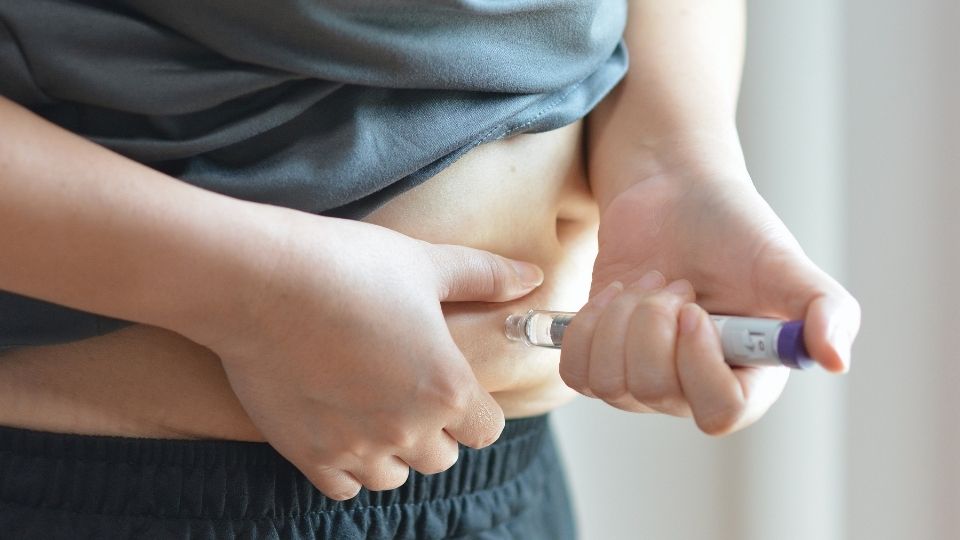
Both injections are given subcutaneously in the abdomen, thigh, or upper arm. If you’ve never given yourself an injection before, don’t worry, most patients pick it up within the first one or two doses. Our guide on how to get weight loss medication online covers the prescription process step by step.
Side Effects of Zepbound and Ozempic
Common side effects for both medications overlap significantly, since both act on the digestive system and appetite pathways. Common side effects of Zepbound include nausea, vomiting, diarrhea, decreased appetite, constipation, upper abdominal discomfort, and abdominal pain.
Common side effects of either medication include:
- Nausea, vomiting, and diarrhea
- Constipation and abdominal pain
- Decreased appetite and upper abdominal discomfort
- Injection site reactions, such as redness or itching
- Fatigue and headache
Both medications commonly cause gastrointestinal side effects, and some comparisons suggest tirzepatide may cause these symptoms somewhat more often. Most side effects are mild to moderate and improve over time as the body adjusts. Injection site reactions are typically minor and resolve on their own.
Both medications also carry a boxed warning about the risk of thyroid tumors, based on animal studies. The risk in humans is not yet established, but anyone with a personal or family history of medullary thyroid cancer or MEN 2 should not use these medications. Your healthcare provider will screen for this before prescribing.
Neither Zepbound nor Ozempic typically causes dangerously low blood sugar unless used alongside other medications that lower blood sugar, such as insulin or sulfonylureas. Patients with diabetes using these drugs alongside other medications should monitor their glucose closely and stay in touch with their care team. If you’re working with a remote provider, our article on what to expect from an online weight loss doctor explains how virtual monitoring works.
For a closer look at when these symptoms typically peak and ease up, our guide on how long Zepbound side effects last covers the timing of common and serious reactions during the first weeks of treatment and after each dose increase.
Cost and Insurance Coverage
The current list price for both Zepbound and Ozempic is over $1,000 per month, making them expensive options for weight management and diabetes treatment without insurance coverage. Insurance coverage can vary significantly between plans and even between employers using the same insurer.
Ozempic is generally covered more often than Zepbound, especially for FDA-approved uses related to diabetes. Patients may need to pay out-of-pocket for Ozempic if it’s prescribed for weight loss, as insurance is more likely to cover it when used for diabetes treatment rather than off-label.
Zepbound coverage is improving as more plans add it to their formularies for weight loss and metabolic health, but many patients still face prior authorization requirements. Factors like BMI, documented health conditions, and previous weight loss attempts often influence approval.
For patients wondering whether working with a clinic is worth it, our post on do weight loss clinics work walks through what to expect.
Who Should Consider These Medications?
Candidates are typically adults with obesity, significant overweight with other medical conditions, or type 2 diabetes. A clinician will review your personal or family history, current medical conditions, other medications, and other factors before making a recommendation.
People with a history of heart attack, heart disease, high blood pressure, or high cholesterol may benefit from the metabolic improvements these medications can provide, particularly in the case of Ozempic, which has documented cardiovascular benefits. That said, not everyone is a good candidate. Your healthcare provider will review contraindications carefully, including personal or family history of thyroid cancer, pancreatitis, or severe gastrointestinal disease.
For patients with both diabetes and obesity, combining medication with structured behavioral support is usually the right move. Our article on why diabetes weight loss on your own isn’t enough makes the case for integrated care. For a broader overview of treatment approaches, our guide to weight loss services covers how injections fit alongside coaching, nutrition, and other interventions.
If you’re still weighing whether tirzepatide is the right fit, our article on whether Zepbound is safe and who shouldn’t take it outlines the long-term risks and contraindications worth reviewing with your clinician before starting.
Working With Your Healthcare Provider
Choosing between Zepbound and Ozempic shouldn’t be a DIY decision. A licensed healthcare provider can review your goals, insurance coverage, and medical history before prescribing. They can also monitor your response and adjust the dose if needed.
Regular check-ins help catch issues early, from injection site reactions to gastrointestinal symptoms. Most clinicians recommend reassessing progress every one to three months during the first year. Your healthcare provider may also order labs to track metabolic markers like A1c, lipids, and liver enzymes.
If one drug isn’t working for you, switching to the other is often possible. The two are not the same drug, but they treat overlapping conditions, and your clinician can help you transition safely. For patients who have hit a plateau or are planning their next phase, our resource on medical weight loss maintenance is a solid starting point, and our overview of the top weight loss treatments rounds out the current landscape.
A medically supervised program isn’t about the injection alone; it’s about the ecosystem around it. Behavior change, nutrition, sleep, stress, and movement all matter. Our medical weight loss ultimate guide brings all of these pieces together in one place.
Is Zepbound the Same as Ozempic? Frequently Asked Questions
Can I switch from Ozempic to Zepbound?
Yes, many patients switch between these medications under medical supervision. Because they are different drugs with different active ingredients, your clinician will typically start you at a lower dose of the new medication and titrate up gradually. Switching may help if you’ve plateaued, experienced intolerable side effects, or want a shot at greater average weight loss.
Do I need a weight-related health condition to qualify for Zepbound?
Zepbound is FDA-approved for adults with a BMI of 30 or higher, or a BMI of 27 or higher with at least one weight-related health condition, such as type 2 diabetes, high blood pressure, high cholesterol, heart disease, or obstructive sleep apnea. A healthcare provider will review your medical history and family history to determine eligibility.
Are Zepbound and Mounjaro the same?
Zepbound and Mounjaro both contain tirzepatide, the same active ingredient, at identical doses. The key difference is FDA approval: Mounjaro is approved for type 2 diabetes, while Zepbound is FDA-approved for chronic weight management and obstructive sleep apnea. They are manufactured by the same company and act the same way pharmacologically in the body.