Finding real weight loss treatments that help you lose body fat, keep a healthy weight, and actually fit your life can feel overwhelming. With so many options and so much noise around the topic, how can you know which ones have proven results?
This guide will examine what you need to know about each currently popular treatment course for addressing weight gain. You’ll see what the best treatments are that people are using and achieving lasting results. We’ll compare medications like phentermine topiramate, liraglutide, semaglutide, and tirzepatide alongside endoscopic and surgical approaches, plus lifestyle programs that improve outcomes in the long-term. By the end, you’ll know your best next step, and which ones to ask a health care professional about.
Quick takeaways
- The most effective single tools in 2025 are tirzepatide, semaglutide, ESG, and bariatric surgery, with medications and procedures working best on a lifestyle foundation.
- Wegovy now carries an FDA indication for lowering major cardiovascular events in qualifying adults.
- Surgery remains the most durable path for severe obesity, while ESG is a strong incisionless alternative.
10) Naltrexone–Bupropion SR (Contrave): Hunger and Reward Circuit Support
By pairing an opioid receptor blocker with an antidepressant that affects dopamine and norepinephrine, Contrave targets cravings and emotional eating. Expect about 5 percent weight loss on average within 12 weeks when combined with a healthy eating plan and physical activity.
If you also aim to treat depression or quit smoking, your clinician may weigh the benefits of bupropion in your overall health history. With your care provider, you should discuss seizure risk, blood pressure, and all prescription medications you are taking to avoid harmful interactions.
9) Liraglutide (Saxenda): Daily GLP-1 With Broad Access
Liraglutide is a synthetic glucagon-like peptide-1 (GLP-1) once-daily self-injection that the FDA previously approved for treating type 2 diabetes in both adults and adolescents. In 2025, the FDA cleared the first generic liraglutide for weight management, which may make it an affordable option for more people seeking fat reduction treatment. As one of the better weight loss options for women compared to similar medications, data has shown that weight loss outcomes were more pronounced for women than for men taking Saxenda.
Consider liraglutide if you want GLP-1 benefits (type 2 diabetes control, kidney health, improved cardiovascular function), don’t mind daily injections, or your insurance favors this option. Ask your care provider about cardiovascular risk factors, personal or family history of thyroid disease, and an overall treatment plan that includes healthy eating habits and exercise to burn calories while you treat obesity.
8) Phentermine–Topiramate ER (Qsymia): Effective, Oral, and Long-Studied
This combination drug, administered as oral-release capsules, suppresses appetite and reduces cravings, with some studies finding an average weight loss of 9 percent over the course of a year. The FDA recommends good medicine for weight loss like Phentermine–Topiramate ER have their dosage changed based on body mass index (BMI) criteria, and research has not clearly established its long-term safety for cardiovascular morbidity and mortality.
Qsymia can raise heart rate and may not be suitable if you have uncontrolled high blood pressure or coronary artery disease. It is a strong option if you prefer an oral medicine and need help controlling eating patterns. Still, it requires careful titration and monitoring by your healthcare provider to be used effectively. While Qysmia can lower blood pressure, some people may experience an increased heart rate, and there is a risk that it could also raise blood pressure instead.
7) Orlistat (Xenical/Alli): Fat Absorption Blocker, OTC or Prescription
Orlistat blocks about 30 percent of dietary fat absorption when taken at the recommended dosage. Studies have shown only modest incremental weight loss with this oral capsule taken with daily meals versus lifestyle changes alone, but it is a helpful tool because of its interaction at the meal stage.
While you cannot maintain a high-fat diet on Orlistat and expect it to block absorption, it does give you some additional leeway with your fat intake than you would have otherwise. Sticking to a low-fat diet while on Orlistat is recommended to achieve greater benefits and manage potential side effects such as diarrhea and oily stools.
Because Orlistat works only when fat is in the meal, you may also use it strategically for higher-fat occasions while generally practicing a balanced meal schedule otherwise. You should plan with your doctor or care provider for potential gastrointestinal (GI) side effects and supplement fat-soluble vitamins as advised.
6) Plenity Hydrogel Capsule: A Device, Not a Drug
Plenity is an FDA-cleared, prescription capsule that forms a hydrogel in the stomach to create fullness. The FDA indicates (directs) Plenity for adults with a BMI of 25–40, and it can be used with other treatments to reach your weight loss goal. Research conducted in 2022 showed that about 6 in 10 respondents averaged around 10 percent weight loss at six months.
Plenity, because it is non-systemic (not absorbed into the bloodstream), is a consideration for people who want to avoid systemic medications or have otherwise complex health conditions. Like many treatments on this list, it works best when paired with a healthy eating plan and a structured meal plan.
5) Intensive Lifestyle Programs: Still the Foundation of Healthy Weight

Evidence remains strong that intensive, multicomponent lifestyle interventions deliver clinically meaningful weight loss and improvements in metabolic health. A study published in 2017 estimated that people with obesity typically lose around 8% of their starting weight with the help of intensive lifestyle programs. Intensive lifestyle programs for starting body weight reduction include components like:
- Fewer calories in your diet
- Increased physical activity, movement, cardio, and strength training
- Behavioral therapy that helps you maintain motivation while managing stress and sleep issues
These kinds of components can help you develop a holistic treatment for weight loss that sets a solid foundation for more options as you navigate obesity treatment.
4) Tirzepatide (Zepbound): A Dual-Agonist Power for Chronic Weight Management
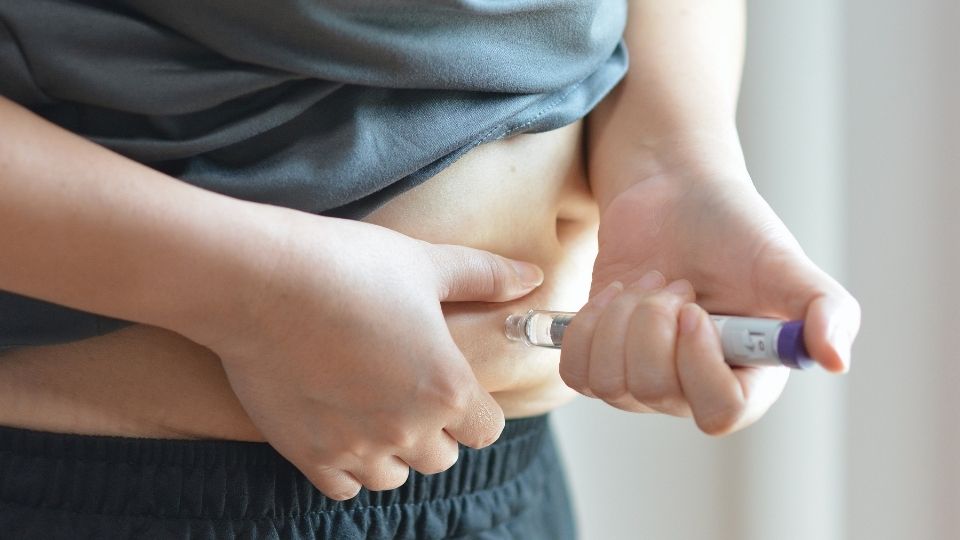
Tirzepatide is a medication that expertly mimics the gut hormones glucose-dependent insulinotropic polypeptide (GIP) and glucagon-like peptide-1 (GLP-1) to regulate blood sugar, decrease appetite, and slow digestion so you feel fuller longer. This drug is relatively new to the scene, having been approved under the name Zepbound by the Food and Drug Administration (FDA) in late 2023 for chronic weight management and the treatment of obesity in adults. Zepbound is administered by a weekly subcutaneous injection (jab) into your abdomen, thigh, or upper arms.
Participants in a 2022 study of tirzepatide experienced an average weight loss of 20 percent or more of body weight over 72 weeks, depending on dose, with improvements in blood sugar, blood pressure, and cardiovascular risk factors in people with obesity without diabetes. However, it is important to note that current early data on real-world results show less drastic improvements outside of controlled trials. If you consider Zepbound, pair it with a physical activity program and protein targets to protect lean mass while you lose body fat.
3) Semaglutide (Wegovy): Proven Weight Loss Plus a Heart-Health Label
If you have even a casual knowledge of new weight-loss trends, you have likely heard of Wegovy or Ozempic, as they are often discussed by celebrities. Although they both share the same active ingredient, semaglutide, only Wegovy is approved for chronic weight management. Ozempic is approved for treating type 2 diabetes, while semaglutide was also approved by the FDA in 2025 for treating kidney disease.
The FDA recommends that Wegovy weekly injections, which are administered from a pre-filled single-dose pen, be taken in combination with a reduced-calorie healthy diet and increased physical activity. A 2024 pharmacology review found that this combination reduced the risk of major cardiovascular events in adults who were obese or overweight. Wegovy can also help prevent weight gain and maintain existing weight loss for obese adults and pediatric patients over 12 years, along with overweight adults with at least one comorbid condition.
2) Endoscopic Sleeve Gastroplasty (ESG): An Incisionless Metabolic Procedure
ESG uses endoscopic suturing to reduce stomach volume without making risky surgical incisions and is a minimally invasive procedure. Studies show average total body weight loss of around 20 percent at up to one year with low serious adverse event rates (less than 3%). This proven long-term success potential, combined with its reduced risk, helps you just edge out popular drugs like Wegovy and Zepbound on this list.
ESG can also outperform long-term semaglutide and other weight loss treatments on value, and for some patients. If you want a single-time procedure with meaningful results but want to avoid surgery, ESG is a strong middle ground.
1) Bariatric surgery: the most durable option for severe obesity

Sleeve gastrectomy and Roux-en-Y gastric bypass surgery deliver the largest and most durable weight loss, plus remission of weight-related health problems like type 2 diabetes and high blood pressure. According to the American Society for Metabolic and Bariatric Surgery, patients can maintain around 25% of weight loss over a 10-year period following the surgery. However, as it is an invasive surgery, it brings along with it immediate and short-term risks that other treatment options on this list don’t need to contend with.
If you carry significant excess weight or have obesity complications, surgery often doubles or triples the average weight loss compared with medication alone and may reduce long-term mortality and organ complications. Bring questions about nutritional support, mental well-being, and follow-up to your medical care provider when seeking out this kind of surgery.
FAQs About Weight Loss Treatments
What is the best way to lose weight if I want permanent weight loss solutions?
For long-lasting weight loss, combine an intensive lifestyle program with the right FDA-approved therapy based on your health history. If you have severe obesity, metabolic surgery offers the most durable results, while ESG and GLP-1 medicines help many people lose weight and maintain it with coaching and lifestyle changes.
What is the best treatment for weight loss?
The best treatment for weight loss is a personalized, medically guided plan that combines a balanced, calorie-controlled diet, regular physical activity, and behavioral support. For some people, prescription weight-loss medications or bariatric procedures may be added when appropriate. The most effective approach focuses on sustainable lifestyle changes, protecting metabolic health, and includes ongoing follow-up to prevent weight regain.
Are prescription weight loss drugs safe for everyone?
No. Safety depends on your personal or family history, cardiovascular risk factors, blood pressure, and other health conditions. Review FDA labels and discuss risks like gallbladder issues, pancreatitis, and blood pressure changes with your clinician before starting prescription weight loss drugs.
What are the pros and cons of weight loss surgery?
Pros for surgery include the greatest average weight loss over time and high rates of improvement in diabetes and hypertension. Cons will include things like increased surgical risks, lifelong nutrition monitoring, and potential gastroesophageal reflux disease (GERD) with sleeve procedures. Choose with a bariatric team after reviewing health goals.
Does insurance cover weight loss treatments?
Coverage will vary. Bariatric surgery and some weight loss medications are often covered with documentation of BMI, comorbidities, and prior lifestyle attempts. Be sure to check what your plan’s benefits are, and obtain a treatment plan letter (letter of medical necessity) from your healthcare provider to help you get it covered.
Which Diet Is the Most Effective in Weight Loss?
The most effective diet for weight loss, more than the specific foods, is one you can sustain long term. However, research shows diets emphasizing whole foods, lean proteins, vegetables, whole grains, and fewer processed foods consistently lead to better results. Mediterranean-style and high-protein diets often outperform others.
An Azona Health Medical Education on Weight Loss Treatments
As you have learned, weight loss does not come down to a single strategy, which means that having a medical education is the best way to know which weight loss medications work and how to get the most value out of your treatment.
In 2025, you can choose among many effective treatment options, from GLP-1 and dual-agonist weight loss drugs to endoscopic and surgical solutions, benefitting from lifestyle changes you make to combat health challenges. Match your plan to your health condition, exercise habits, and preferences.
Ask your clinician about options like tirzepatide and semaglutide, consider ESG or surgery if you need greater or more durable results, and protect lean mass with strength training and protein. The best treatment is the one you can sustain, safely, with support. If you are ready, you can get started with our experienced team to help you map out a personalized treatment plan.