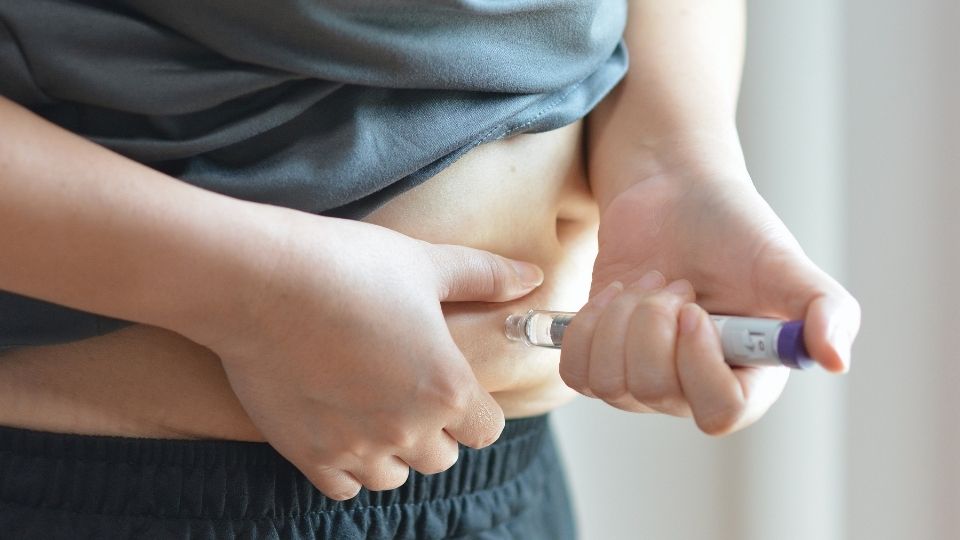

Getting weight loss medication online is more straightforward than many people expect, but it does involve a real medical process, not just filling out a form and receiving a package. Licensed medical providers evaluate your health history, assess whether you’re a candidate for prescription medication, and build a weight loss treatment plan around your individual needs. Telehealth access can vary by state because provider licensure and cross-state practice rules still apply.
This guide walks through how the process typically works, what medication options are currently available for people who are overweight or have obesity, what the costs look like with and without insurance coverage, and what to watch out for when choosing a telehealth program to help you lose weight.
Quick Takeaways
- Weight loss medication online is available through licensed medical providers who evaluate your health history before prescribing.
- Semaglutide, a GLP-1 receptor agonist, and tirzepatide, a dual GIP and GLP-1 receptor agonist, are among the most commonly prescribed options for weight loss in qualifying patients.
- Insurance coverage for these medications varies widely, and the cost out of pocket can be high without it. Some, but not all, insurance plans cover medications that treat overweight and obesity.
- The process often involves a first visit consultation and may include lab work and regular check-ins, depending on the provider and your medical needs.
- Not everyone qualifies, and a legitimate program will always include a clinical review before prescribing, particularly for patients with a weight-related medical condition or health concerns like heart disease.
How the Process Works

Getting weight loss medication online through a telehealth provider follows a structured clinical process. Here is what that typically looks like from start to finish.
Step One: Your First Visit and Health Review
The process begins with a first visit health intake, where you provide information about your medical history, current medications, body weight, body mass index, and any weight-related medical condition you may have. A licensed doctor or nurse practitioner reviews this information to determine whether you may be eligible for prescription weight loss medication and which medication options make sense given your health concerns and overall health goals. Health care professionals commonly use BMI and weight-related health problems to help decide whether prescription treatment may be appropriate.
This step matters. A program that skips a thorough health review and moves directly to prescribing is a red flag worth taking seriously. Medical providers working in legitimate telehealth weight loss programs take time to review your full picture before recommending any weight loss treatment.
Step Two: Lab Work
Many programs may order lab work before prescribing, either through a local lab or a mail-in kit. This can help your doctor assess blood sugar levels, kidney function, thyroid markers, and other factors that influence which medication options are appropriate and safe for you. Lab results can also flag health concerns that may affect prescribing or monitoring. The exact lab process varies by program and patient.
Step Three: Your Treatment Plan
Once your provider has reviewed your first visit intake and any lab results, they will build a personalized weight loss treatment plan. This may include a prescription for weight loss medication, guidance on diet and exercise, a reduced-calorie diet, and an outline of what to expect in the coming weeks. Prescription medications work best when combined with lifestyle changes rather than used as a standalone solution. Some programs also include access to registered dietitians or behavioral health additional support as part of the plan, which can make a meaningful difference for most patients working on long-term body weight management.
Step Four: Regular Check-ins
Ongoing check-ins are an important part of any legitimate weight loss medication program. These appointments allow your doctor or medical provider to monitor how your body is responding, adjust your dose toward a maintenance dose if needed, manage any side effects, and track your overall progress on your weight loss journey. Regular follow-up is especially important early in treatment and during dose escalation.
GLP-1 Medications: What They Are and How They Work

GLP-1s, or glucagon-like peptide-1 receptor agonists, are currently the most widely discussed category of weight loss medication online. They work by mimicking a naturally occurring hormone that helps regulate appetite, slows gastric emptying, and influences blood sugar levels. Originally developed to treat type 2 diabetes, some medications in this pathway have since received approval specifically for chronic weight management in people who are overweight or have obesity alongside a weight-related medical condition. Semaglutide is a GLP-1 receptor agonist, while tirzepatide acts on both GIP and GLP-1 receptors.
GLP-1 Medications You Might See
GLP-1 medications have quickly become some of the most talked-about tools in weight management, offering clinically proven results for people with obesity or weight-related health conditions. Here’s a breakdown of the most common options you’re likely to encounter, including how they’re taken and what they’re officially approved to treat.
| Medication | Brand Name | FDA Approved For | Form | Typical Dosing |
|---|---|---|---|---|
| Semaglutide | Wegovy | Approved for weight loss | Weekly injection | Gradually increases to maintenance dose |
| Semaglutide | Ozempic | Diabetes (off label for weight) | Weekly injection | Varies by dose |
| Tirzepatide | Zepbound | Approved for weight loss | Weekly injection | Gradually increases to maintenance dose |
| Tirzepatide | Mounjaro | Diabetes (off-label for weight) | Weekly injection | Varies by dose |
| Oral semaglutide | Wegovy tablets | Approved for weight loss | Daily pill | Daily |
Who Tends to Qualify for GLP-1 Medications?
To be considered for FDA-approved GLP for weight loss, most clinical guidelines and product labeling suggest patients should have:
- A body mass index of 30 or higher, or
- A body mass index of 27 or higher, alongside at least one weight-related medical condition such as high blood pressure, type 2 diabetes, heart disease risk, or high cholesterol
Your doctor will also review your full health history, including any kidney problems, other health concerns, and medication-specific contraindications or precautions that may affect whether these treatments are appropriate for your weight loss journey. Patients with a personal or family history of medullary thyroid carcinoma or Multiple Endocrine Neoplasia syndrome type 2, for example, are generally not candidates for semaglutide- or tirzepatide-based weight loss medications.
Wegovy and Zepbound are the FDA-approved options most directly indicated for weight loss treatment. Ozempic and Mounjaro, both also used by medical providers, are FDA-approved for diabetes but are sometimes prescribed off-label when a doctor determines it is clinically appropriate. Tirzepatide products are manufactured by Eli Lilly, while semaglutide products are manufactured by Novo Nordisk. FDA labeling now includes Wegovy tablets as an approved oral semaglutide option for weight reduction and maintenance in eligible adults.
What Does Compounded Mean in Semaglutide and Tirzepatide?
Compounded semaglutide and tirzepatide are custom-made versions of the brand-name medications Ozempic, Wegovy, and Mounjaro, prepared by compounding pharmacies. Compounded drugs are not FDA-approved; FDA-approved drugs go through the agency’s rigorous review for safety, effectiveness, and quality as part of the premarket approval process.
The FDA keeps a list of shortages for drugs in the United States. These weight loss medications have been on this list in the past due to increased demand for them. During drug shortages, compounded versions offered millions of patients life-changing access to these medications at a fraction of the cost, providing a vital, flexible alternative when brand-name supplies simply couldn’t meet overwhelming demand.
Most Common Side Effects
The most common side effects associated with GLP-1 medications include nausea, upset stomach, diarrhea, and constipation, particularly during the early weeks of treatment before your body adjusts. These tend to ease over time for most patients, especially when the medication is started at a low dose and gradually increased toward a maintenance dose alongside a reduced-calorie diet and increased physical activity.
Other Medication Options Beyond GLP-1s
While GLP-1 medications get the most attention, they are not the only options available for people who want to lose weight with medical support. Depending on your health concerns and weight loss treatment goals, your doctor may discuss other medication options, including:
- Phentermine-topiramate (Qsymia), approved for weight loss in qualifying adults
- Naltrexone-bupropion (Contrave), which targets appetite and cravings through a different mechanism
- Orlistat (Alli, Xenical), which works by reducing fat absorption and is sometimes recommended alongside a reduced-calorie diet and increased physical activity
Each of these carries its own risk profile and considerations. A doctor reviewing your medical history will help determine which options are worth discussing based on your individual health concerns, body weight, and weight loss goals. Most patients do best when medication is one part of a broader weight-loss treatment plan that includes diet and exercise, rather than a standalone solution.
What Weight Loss Medication Online Actually Costs
Medication cost is one of the most common concerns people have when exploring online weight loss medication, and for good reason. GLP-1 medications in particular can carry significant prices without insurance coverage.
With Insurance Coverage
Insurance coverage for weight loss medication varies considerably depending on your plan, your insurance provider, and the specific medication being prescribed. Some plans cover FDA-approved weight loss medications when certain clinical criteria are met, including a qualifying weight-related medical condition and sometimes a prior authorization process. Others entirely exclude weight-loss medications, regardless of medical need. Some, but not all, insurance plans cover medications that treat overweight and obesity.
If your insurance provider does offer coverage, your out-of-pocket medication cost will depend on your copay or coinsurance structure. It is worth confirming whether the same medication is covered at the same rate through your telehealth program as it would be through a traditional pharmacy, as this can vary. Your provider’s care team can help you determine whether your insurance provider will accept the program’s prescriptions and what documentation may be needed to support a prior authorization request.
Without Insurance Coverage
Without insurance coverage, branded weight loss medications can still be expensive. However, several options may help reduce what you actually pay:
- Manufacturer savings programs, which may reduce medication costs for some eligible patients
- Self-pay programs offered by telehealth platforms that may bundle the consultation, medication, and check-ins into a single monthly rate
- Compounded versions of GLP-1 medications, sometimes available at a lower price but with important caveats around quality and regulatory oversight worth discussing with your doctor
Some programs advertise low self-pay rates for compounded semaglutide or tirzepatide, but it is worth understanding what you are getting. Compounded medications are not FDA-approved GLP products, even if they contain the same active ingredient, and quality can vary between compounding pharmacies.
How to Get Weight Loss Medication Online FAQs
How long does it take to get weight loss medication online?
The timeline varies by program. Some telehealth platforms can complete the first visit intake and prescribing process within a few days, while others take longer depending on whether lab work is required upfront, state licensure logistics, and pharmacy fulfillment. Once prescribed, medication is typically shipped directly to your home or sent to a local pharmacy.
Can I get GLP-1 medications online without insurance?
Yes. Many telehealth programs offer self-pay options for GLP-1 medications and other weight loss drugs. Medication costs vary depending on the specific medication, dose, and what is included in the program. Some programs offer bundled self-pay pricing that includes check-ins, consultations, and medication at a combined monthly rate.
What happens if GLP-1 medications don’t work for me?
If your initial medication is not producing the results your doctor expected, they may adjust your dose, move you toward or away from a maintenance dose, switch you to a different medication, or revisit other aspects of your weight loss treatment plan, including diet and exercise habits and increased physical activity. Regular check-ins exist precisely to catch this kind of situation early and make adjustments before too much time passes without progress on your weight loss journey. NIDDK notes that if a medication is not sufficiently effective after an adequate trial, a clinician may adjust the treatment plan, consider a different medication, or revisit lifestyle and other contributing factors.
Taking the Next Step Toward Weight Loss Medication Online
Getting started with weight loss medication online begins with finding a program that takes the clinical process seriously. That means a real first-visit health review, appropriate lab work when needed, a personalized weight loss treatment plan, and ongoing check-ins with a licensed doctor who can adjust your care as your body weight and health concerns evolve.
At Azona Health, licensed medical providers evaluate your health history, discuss your medication options, and build a weight loss treatment plan designed around your specific weight loss goals. Whether you’re exploring GLP-1 medications for the first time, looking for additional support alongside diet and exercise, or wanting a program with transparent medication cost and real clinical oversight, Azona Health offers a structured path forward.