
If you’ve been searching for a way to lose excess weight that actually fits into your daily life, online weight loss programs may be worth exploring. Between telehealth appointments, prescription medications, and personalized coaching, the landscape has changed considerably in recent years. This guide walks you through what these programs typically offer, how they work, who they may be right for, and what to look for when comparing your options. Whether you’re just starting your weight loss journey or you’ve tried other approaches before, you’ll find practical, evidence-informed information here to help you make a more confident decision.
Quick Takeaways
- Online weight loss programs can connect you with licensed healthcare providers from home, and in many cases, those providers can prescribe weight loss medication if you qualify and state rules allow.
- GLP-1 medications may support meaningful weight loss when combined with diet and exercise, though they’re not appropriate for everyone.
- Insurance coverage for online programs varies widely depending on your health plan and whether a program qualifies as medical weight loss.
- Programs differ in scope. Some focus on coaching and accountability, others on prescription medication, and some offer both.
- Long-term success tends to come from programs that support ongoing care, not just short-term calorie restriction.
What Online Weight Loss Programs Actually Include

Not all online weight loss programs are structured the same way. Some are primarily digital coaching platforms, while others function as full medical weight loss programs with licensed providers, lab work, and prescription access. Before committing to one, it helps to know what you’re actually getting.
Most programs fall into a few general categories:
- Subscription-based apps that support meal planning and habit tracking
- Telehealth platforms that connect you with a healthcare provider who can assess your health history and prescribe a weight loss drug if appropriate
- Hybrid models that combine clinical support with ongoing coaching.
- Commercial weight loss programs, which have been around for decades in various forms, have also expanded into the online space, offering digital tools alongside their established frameworks.
What to Look For in a Program
When evaluating your options, consider what kind of support matters most, given where you are in your weight loss journey:
- Medical access: Can you work with a licensed clinician who reviews your full health history and discusses a personalized diet plan and exercise plan?
- Accountability tools: Does the platform offer regular check-ins, progress tracking, and access to support groups or peer communities?
- Personalization: Is your plan tailored to your health goals, food choices, and lifestyle habits?
- Transparency: Are costs, insurance coverage policies, and medication options clearly explained before you enroll?
| Feature | Medical Programs | Coaching-Only Programs |
|---|---|---|
| Prescription access | Yes | No |
| Health history review | Yes | Sometimes |
| Registered dietitian | Sometimes | Often |
| Insurance billing | Sometimes | Rarely |
| Typical cost range | Higher | Lower |
How GLP-1 Medications Fit Into Online Weight Loss Programs

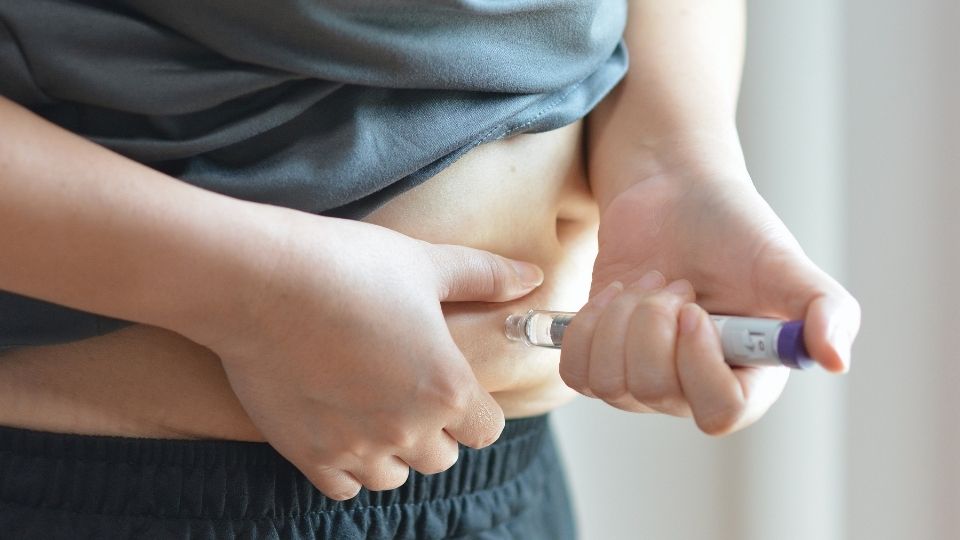
One of the most significant developments in recent years is the expanded access to GLP-1 (glucagon-like peptide-1) receptor agonist medications through telehealth. These medications include semaglutide and tirzepatide, but it is important to distinguish the brand names and uses clearly. Wegovy and Zepbound are FDA-approved for weight management, while Ozempic and Mounjaro are FDA-approved for type 2 diabetes. They work by affecting appetite, gastric emptying, and blood sugar regulation, which is why several were originally developed for diabetes before also being studied or approved for weight management.
GLP-1 medications are FDA-approved for certain uses and may support meaningful reductions in body weight in people with obesity or weight-related medical conditions, when combined with a reduced-calorie diet and increased physical activity. They’re not a quick fix, and they’re not right for everyone. A healthcare provider needs to review your medical history, including conditions such as thyroid tumors, kidney problems, or relevant family history, before prescribing.
GLP-1 Medications: Key Differences
The semaglutide and tirzepatide brands have different approved indications, so it is worth checking the exact product rather than assuming all brands of the same active ingredient are interchangeable for weight loss.
| Nausea, abdominal pain, indigestion | Brand Names | FDA-Approved Use | Administration | Common Side Effects |
|---|---|---|---|---|
| Semaglutide | Wegovy | Weight management | Weekly injection | Diarrhea, consptiation, stomach pain |
| Semaglutide | Ozempic | Type 2 diabetes | Weekly injection | Nausea, upset stomach |
| Tirzepatide | Zepbound | Weight management | Weekly injection | Nausea,adominal pain, indegestion |
| Tirzepatide | Mounjaro | Type 2 diabetes | Weekly injection | Nausea, diarrhea |
| Oral semaglutide | Rybelsus | Type 2 diabetes | Daily pill | Similar gastrointestinal side effects |
| Off-label options | Varies | Not FDA-approved for weight | Varies | Varies |
Compounded GLP-1 Options
Compounded GLP-1 medications contain the same active ingredients as brand-name products like Wegovy and Zepbound, but are prepared by compounding pharmacies and usually at a significantly lower cost. For patients who cannot afford brand-name medication, are waiting due to a product shortage, or are awaiting insurance approval, compounded options can help begin treatment sooner. While compounded formulations are not FDA-approved, a provider can help you weigh the trade-offs and decide on your best treatment path.
In the past, an outsized demand for weight-loss medications has caused shortages of products like Wegovy, Ozempic, Mounjaro, and Zepbound. According to the World Health Organization, fewer than one in ten people who need obesity jabs actually receive them worldwide. This new field of weight loss drugs is rapidly expanding to meet demand, and it’s possible that new GLP-1 therapies could receive FDA approval as soon as this year.
Who Tends to Qualify

Most clinical guidelines and FDA labeling suggest GLP-1 medications may be appropriate for adults with:
- A body mass index (BMI) of 30 or higher, or
- A BMI of 27 or higher, alongside at least one weight-related health condition, such as high blood pressure, sleep apnea, high cholesterol, or type 2 diabetes.
A licensed provider will also assess your eating patterns, current medications, and overall health goals when determining whether a GLP-1 is a suitable option for you.
What Clinical Trials Have Found
Clinical trials have shown that semaglutide, combined with lifestyle intervention, can support greater reductions in body weight than lifestyle changes alone in adults with obesity. Tirzepatide has also demonstrated substantial weight-loss effects in clinical trials, in some cases matching or exceeding results seen with other agents. That said, results vary from person to person, and excess weight tends to return if medication is stopped without sustained changes in diet, exercise habits, and overall lifestyle.
The Role of Healthcare Providers in Online Weight Loss

Involving a licensed healthcare provider, even virtually, fundamentally changes the nature of a weight loss program. Rather than following a generic diet plan, you’re working with someone who can assess your individual health history, discuss the health benefits of different approaches, and make recommendations specific to your situation.
In an online setting, this process typically looks like:
- An initial video or office visit equivalent, usually a telehealth consultation, covering your health history, current medications, and goals
- A lab work order to review relevant markers before prescribing medication, when clinically appropriate
- A personalized treatment plan that may include a weight loss drug, dietary guidance, an exercise plan, and referrals to additional support resources
- Ongoing care through regular check-ins to monitor progress and make adjustments
Some platforms have built out robust virtual care infrastructure that allows medical providers to manage weight-loss treatment on a scale similar to what you’d receive at an in-person clinic.
What Happens at a First Visit
Your first appointment will likely cover your body mass index, current health conditions, any history with commercial weight loss programs or prior diets, relevant family history, and your goals for your weight loss journey. Your provider may also discuss whether you’re a candidate for prescription medication, whether dietary adjustments might be beneficial, and whether referral for bariatric surgery evaluation is worth considering in your case.
Healthy Eating, Food Choices, and Lifestyle Habits
Medication and medical support can play a meaningful role, but the everyday decisions you make around food choices, physical activity, and sleep tend to drive results over time. Most evidence-based programs include guidance on healthy eating because what you eat and how much remains central to managing body weight.
That doesn’t mean strict dieting or eliminating entire food groups. Many programs emphasize practical, sustainable shifts: more whole grains and vegetables, fewer processed foods and added sugars, and a balanced diet plan that keeps you satisfied without large swings in blood sugar.
Practical Healthy Habits Worth Building
- Eating consistent meals rather than skipping, which may help reduce overeating later in the day
- Making food choices that keep blood sugar stable is particularly relevant for people with insulin resistance or prediabetes
- Tracking progress through an app or journal to stay aware of patterns over time
- Building physical activity into your routine in a way that feels manageable. Even moderate movement, like brisk walking, can support a healthy diet and exercise approach
- Prioritizing sleep, since poor sleep and untreated sleep apnea can make weight management harder
These aren’t dramatic interventions. They’re the kind of healthy habits that tend to compound over time.
Insurance Coverage for Online Programs
Insurance coverage is one of the most common concerns people have when exploring online weight loss programs. Your health insurance and health plan can determine a great deal about what’s accessible to you and at what cost.
Some health insurance plans cover FDA-approved weight loss medications when qualifying criteria are met, including a documented diagnosis, relevant health history, and sometimes a prior authorization process. Obesity is widely treated as a chronic medical condition, but coverage still varies significantly across insurers, and many health plans still don’t include weight loss medications.
Key Insurance Questions to Ask Before Enrolling
- Does the program bill health insurance directly, or is it cash pay only?
- Is there a cash pay option if your health plan doesn’t cover the program?
- Does your insurance provider cover GLP-1 medications, and what documentation does the care team need to submit?
- Does the platform work with your specific insurance company and health plan?
- Is there a prior authorization requirement, and does the program’s care team help with that process?
| Coverage Factor | What It Means for You |
|---|---|
| Prior authorization required | Your provider submits documentation; can delay access by days or longer |
| Cash pay option available | You pay directly; may be faster but costs more upfront |
| Insurance accepted | Program bills your insurer; cost depends on your specific health plan |
| Medication not covered | You pay full retail price unless a discount program applies |
Some programs include a care team that actively helps you navigate insurance coverage, prior authorization, and appeals, which can make a meaningful difference in your actual out-of-pocket cost.
How Commercial Weight Loss Programs Compare to Medical Programs
Commercial weight loss programs have a long track record and typically emphasize behavioral change, group support, and dietary structure. Programs like the Mayo Clinic Diet focus on building healthy habits over time through a structured framework, often including meal planning, educational content, and support groups. These programs are not primarily medication-prescribing programs, though some now offer medication-support resources.
Medical weight loss programs, by contrast, are built around clinical oversight. A licensed provider reviews your health history, orders appropriate lab work, and may prescribe a weight loss drug as part of a broader treatment plan. The program focuses on addressing the medical dimensions of weight, including conditions like sleep apnea, high blood pressure, and blood sugar regulation, rather than treating it purely as a lifestyle issue.
Neither type is inherently better. The right fit depends on where you are in your weight loss journey, what health conditions you’re managing, and what level of support you’re looking for.
What Ongoing Care Looks Like in Online Programs
One detail that’s easy to overlook when comparing online weight loss programs is what happens after your first visit. Ongoing care, including regular check-ins, medication adjustments, and continued access to your care team, can vary significantly from one program to another.
Some programs offer frequent touchpoints: weekly or biweekly video visits or messaging with medical providers, regular tracking of body weight and health markers, and access to a registered dietitian or exercise physiologist as part of your health plan. Others are more hands-off, offering medication refills with minimal follow-up between office visits.
Programs that build in track progress features, whether through an app, wearable integration, or structured check-ins, may make long-term adherence easier. Additional support, such as access to mental health resources or nutrition coaching, can also make a meaningful difference for people navigating emotional eating or complex health histories.
Features of Ongoing Care to Look For
- Regular provider check-ins (monthly at minimum for medication management)
- A care team that includes more than just a prescriber, ideally including dietitians, behavioral-health support, or weight loss coaches
- Clear protocols for adjusting your diet plan, exercise plan, or medication if progress stalls
- Transparent communication about what your health plan covers and when a visit might trigger an additional cost
Evaluating a Program Before You Commit
Not every online weight loss program is built with the same level of clinical rigor, and the differences become clear when you know what to look for. Before committing to any program, these questions can help you cut through the marketing and evaluate what you’re actually getting.
| Question | Why It Matters | What to Look For |
|---|---|---|
| Is a licensed provider involved? | Ensures medical oversight | Board-certified MD, DO, NP, or other appropriately licensed clinician on staff |
| What does the intake process cover? | Determines personalization | Full health history, diet plan, exercise plan |
| How is ongoing care structured? | Affects long-term results | Regular check-ins, not just refills |
| What does the program focus on? | Shapes your experience | Behavioral change, medication, or both |
| What does my health plan cover? | Affects real cost | Confirm insurance coverage before enrolling |
Online Weight Loss Programs FAQs
What is the most effective online weight loss program?
There’s no single program that works for everyone. Results depend on your health history, whether medical oversight or a weight loss drug is part of your plan, and how well the program fits your life. Programs that combine personalized care, healthy habits support, and regular follow-up are often a better fit for long-term success.
Can an online doctor really prescribe weight loss medication?
Yes, in most U.S. states, licensed healthcare providers practicing via telehealth can prescribe weight loss medications to patients who qualify. The process typically involves an intake consultation, a review of your health history and body weight, and sometimes lab work before any prescription is issued. Eligibility is assessed on a case-by-case basis depending on your individual health profile.
How much do online weight loss programs cost without insurance?
Costs vary widely. App-based programs may cost relatively little per month, while telehealth programs that include GLP-1 medication can range from a few hundred to over $1,000 per month, depending on the medication and what’s included. Some programs offer a cash pay option that bundles the consultation, prescription, and medication into a single monthly rate.
Your Weight Loss Journey Starts With the Right Support
Choosing an online weight loss program is a personal decision, and the right fit depends on your health conditions, your goals, your budget, and the level of medical oversight you want. Some people do well with a coaching-based approach centered on food choices, healthy habits, and gradual lifestyle change. Others benefit from medical supervision and, where appropriate, a prescription weight loss drug as part of a structured plan.
What the research and clinical guidance suggest is that programs combining behavioral support, a personalized diet plan, and clinical oversight are often better positioned to support durable reductions in body weight than single-component approaches. That’s not a guarantee, but it’s a useful lens when evaluating your options.
At Azona Health, you can connect with licensed healthcare providers who can review your health history, discuss your health goals, and help you build a plan designed around your life, whether that includes GLP-1 medication, an exercise plan, dietary guidance, or ongoing support.