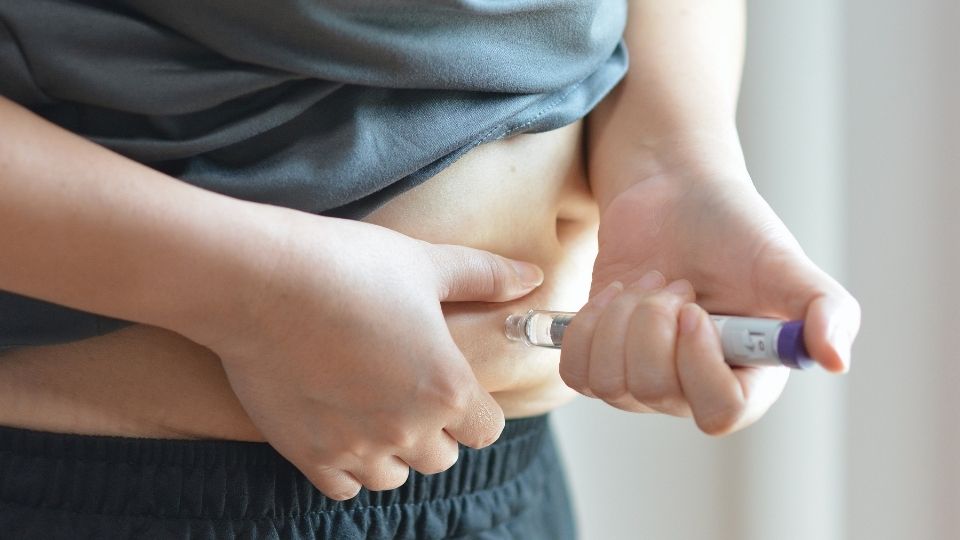

Perimenopause is the natural transition leading up to menopause, and one of the most common questions women ask is how long does perimenopause last. The honest answer is that it varies from person to person. For many women, perimenopause lasts four to eight years, though some move through it faster and others take longer. Throughout this time, shifting hormone levels can bring irregular periods, hot flashes, mood shifts, and, for some women, perimenopause nausea that can be hard to explain without support. If you want guidance through these hormone shifts, personalized women’s hormone health care can help you understand what is happening and plan your next steps.
This guide walks through the typical menopause transition timeline, what affects its length, and practical ways to manage perimenopause symptoms, including perimenopause nausea relief.
How Long Does Perimenopause Last on Average?

So, how long does perimenopause last for most people? For many women, perimenopause lasts about four to eight years, though the broader transition can be shorter or, for some, last close to a decade. Some women may experience perimenopause for only a few months, while perimenopause can last up to ten years for others. Because how long perimenopause lasts depends on so many variables, your experience may differ from a friend or family member. The phrase how long does perimenopause often come up in searches because the timeline feels unpredictable, and that uncertainty is normal.
Perimenopause ends when you have gone twelve full months without a menstrual period. At that point, you have reached menopause, and the years that follow are called postmenopause.
What Is Perimenopause?
Perimenopause is the menopause transition, the bridge between your regular reproductive years and menopause. During this stage, estrogen levels decline, and hormone levels fluctuate, which sets off many of the perimenopause symptoms women notice. Understanding the basics can make this part of a woman’s life feel less confusing. For a deeper look, our overview of what perimenopause is explains the science in plain language.
The Role of Estrogen and Progesterone
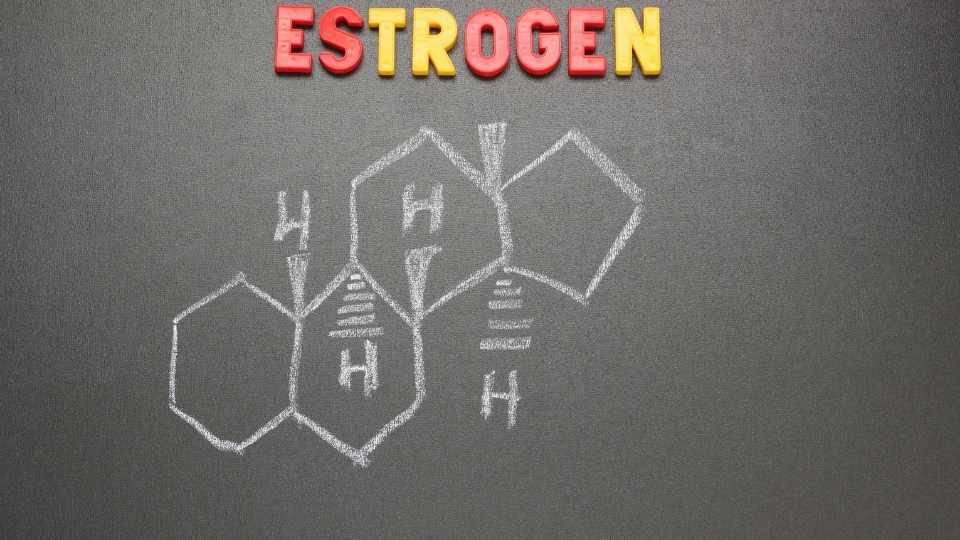
Estrogen and progesterone are two key hormones that help drive your menstrual cycles. During perimenopause, estrogen and progesterone do not decline in a smooth line. Instead, estrogen levels rise and fall unpredictably, and progesterone levels often drop earlier. These swings in estrogen and progesterone help explain why perimenopause symptoms can feel different from month to month.
When Hormonal Changes Begin
Hormonal changes usually begin in a person’s 40s, though some notice early changes in their late 30s. The average age for perimenopause onset is in the mid-40s. These hormone changes are gradual at first, and many women see subtle shifts before more obvious symptoms appear. Tracking these shifts early can help you prepare for the menopause transition ahead.
The Typical Timeline of the Menopause Transition
The menopause transition is usually divided into early and late stages. Knowing which stage you are in can help you and your healthcare provider plan symptom management. The difference matters here, and our guide on the difference between perimenopause and menopause breaks it down clearly.
Early Perimenopause
Early perimenopause is when hormone levels first start to shift. In this early stage, your menstrual cycles may still be fairly regular, but you might notice changes in flow or timing. This is often when the first signs appear, and our article on the first signs of perimenopause covers what to watch for.
Late Perimenopause
Late perimenopause is the stage closest to when you reach menopause. During late perimenopause, irregular cycles become more pronounced, gaps between cycles grow longer, vaginal dryness and urinary urgency may appear, and vasomotor symptoms such as hot flashes often intensify.
What Affects How Long Perimenopause Lasts?
Several factors influence both when perimenopause starts and how long it lasts. While you cannot control all of them, knowing them helps set realistic expectations for this menopause transition.
- Family history: This influences the age of onset and the duration of perimenopause.
- Age symptoms begin: Women who begin experiencing symptoms earlier may have a longer perimenopausal transition.
- Smoking: External factors such as smoking can lead to earlier menopause and often more severe symptoms.
- Medical conditions and treatments: Certain health issues and some medical treatments, such as chemotherapy or ovarian surgery, can shape your timeline.
- Health background: Some health conditions, including certain surgeries, may trigger early menopause or premature menopause.
Family History and Genetics
Your genetics are one of the strongest clues. If your mother reached menopause early or late, you may follow a similar pattern. It does not guarantee an exact match, but it offers a useful starting point for estimating how long does perimenopause last in your case.
Lifestyle and Medical Conditions
Lifestyle and overall health both play a part. Smoking and some health issues or treatments can shorten the runway to menopause, while significant stress may worsen symptoms and cycle disruption. In some cases, surgery or cancer treatment can cause early menopause, which changes the timeline considerably.
Common Perimenopause Symptoms to Track
Perimenopause symptoms range from mild to disruptive, and perimenopausal symptoms can overlap from one month to the next. Tracking your cycle and symptom frequency helps you understand the perimenopausal transition and gives your healthcare provider better information. Below are the most common ones, which can also include weight gain.
Irregular Periods and Menstrual Cycles
Irregular periods are a common early sign of perimenopause. Hormonal fluctuations can lead to irregular menstrual cycles, with some cycles shorter and others longer. You may also notice heavier bleeding during some months. Changes in your menstrual period are common signs that many women see first.
Hot Flashes and Night Sweats
Hot flashes are among the most well-known perimenopause symptoms, and they often worsen as perimenopause progresses. Night sweats are hot flashes that happen during sleep, and they can lead to broken sleep, sleep problems, and disrupted sleep patterns. These vasomotor symptoms can affect daily energy and mood, which is why they are worth tracking.
Mood Swings and Emotional Changes
Mood swings are common due to fluctuating hormone levels. Because shifting estrogen and progesterone levels, sleep disruption, and stress can all affect mood, you may notice mood changes, irritability, or tearfulness. Brain fog can accompany these shifts, making it harder to concentrate. These emotional symptoms are real and tied to your hormones, not a personal failing.
What Makes Nausea Worse During Perimenopause?
Some women report nausea during perimenopause, and hormonal fluctuations may contribute. Hormonal changes during perimenopause can affect gastrointestinal symptoms, and perimenopause nausea is one that women do not expect. Several things can make nausea worse: skipping meals, high stress that raises your stress hormone, certain medications, and poor sleep. When perimenopause nausea overlaps with a hot flash, the nausea worsens and can feel intense. Understanding why perimenopause nausea happens is the first step toward lasting relief. Persistent, severe, or new nausea should be discussed with a healthcare provider to rule out other causes.
How to Manage Perimenopause Symptoms
There are many ways to manage perimenopause symptoms, from lifestyle changes to medical support. A combination approach usually works best, and your plan should reflect your symptoms and goals. Our broader hormone care services can connect you with options tailored to you.
Diet and Natural Remedies for Perimenopause Nausea Relief
For perimenopause nausea relief, simple steps often help. Ginger tea may help relieve nausea, and peppermint tea is another gentle option some women keep on hand. Eating smaller meals can stabilize blood sugar levels and ease queasiness. Ask your provider before using supplements, including magnesium, because benefits and side effects vary.
Try these natural strategies for relief:
- Sip ginger tea or peppermint tea when perimenopause nausea starts.
- Eat smaller, frequent meals built around a balanced diet with lean proteins and healthy fats.
- Choose foods high in fiber, and limit caffeine and alcohol if they trigger nausea, reflux, hot flashes, or poor sleep.
- Use deep breathing during waves of perimenopause nausea.
- Add regular exercise and strength training, since regular exercise can help manage stress, sleep, mood, and overall symptoms.
- A diet rich in healthy fats, lean proteins, and foods high in nutrients supports steadier energy and may ease perimenopause nausea over time. Peppermint tea remains an easy go-to option when perimenopause nausea flares.
Birth Control and Hormonal Options
For some women, low-dose birth control can steady hormone levels and ease irregular periods and mood shifts. Birth control is not right for everyone, so discuss it with your healthcare provider. It can act as a helpful bridge during this early stage before other options are considered.
Hormone Replacement Therapy
Hormone replacement therapy, sometimes shortened to hormone therapy, supplements estrogen, and some women also need progesterone or a progestin, depending on their uterus status and medical history. It can ease hot flashes, vaginal dryness, and discomfort for many. This therapy is not suitable for everyone, and the decision should be made after weighing your health conditions and any increased risk factors with a professional.
When to See a Healthcare Provider
See a healthcare provider if symptoms disrupt your life, if you have very heavy bleeding, or if severe symptoms appear suddenly. A healthcare provider can rule out other causes, review whether testing is needed, and discuss symptom management. A qualified provider can also help you decide whether this therapy or other support fits your situation. If frozen shoulder pain shows up during this time, our piece on frozen shoulder and menopause explains the link, and skin changes are covered in our perimenopause acne guide.
What the Research Says
Widely cited sources describe perimenopause as usually beginning in the 40s and lasting for years, sometimes close to a decade. It also notes that vaginal dryness, hot flashes, and sleep problems are common menopausal symptoms during this time. Together, these shape the menopause symptoms most women experience, though individual timelines for how long perimenopause lasts still vary.
Perimenopause Timeline at a Glance
| Stage | Typical Age | What Happens to Hormone Levels | Common Symptoms |
|---|---|---|---|
| Early perimenopause | Late 30s to mid-40s, often in the 40s | Estrogen levels begin to fluctuate | Irregular periods, mild mood changes, occasional perimenopause nausea |
| Mid perimenopause | Mid to late 40s | Estrogen and progesterone swing widely | Hot flashes, night sweats, mood swings, perimenopause nausea |
| Late perimenopause | Late 40s to early 50s | Estrogen declines more steadily | Longer gaps between periods, heavy bleeding, vaginal dryness |
| Menopause reached | Around 51 on average | Hormone levels stay low | Some symptoms may ease after menopause, while others, such as vaginal dryness, may persist |
When Does Perimenopause End?
Perimenopause ends when periods stop for twelve straight months, and you reach menopause. Bone density can decline after this point because estrogen supports bone strength, so women’s health care often shifts toward protecting bones and the heart. Estrogen stays low in later years, and supporting bone density and women’s health becomes a long-term focus.
How Long Does Perimenopause Last? Frequently Asked Questions
How long does perimenopause last for most women?
For most women, perimenopause lasts about four to eight years, and up to ten years for some. A few women experience only a few months of symptoms. Because how long perimenopause lasts depends on genetics and certain factors, your personal timeline may be shorter or longer than the average.
Can perimenopause cause nausea?
Some women report nausea during perimenopause, and hormone shifts may play a role. Perimenopause nausea may come and go with poor sleep. Ginger tea, smaller meals, and limiting caffeine may offer perimenopause nausea relief for some women, and a healthcare provider can help if worse episodes keep returning.
Does HRT Shorten Perimenopause?
HRT does not shorten perimenopause, but it can ease symptoms like hot flashes and mood swings. Hormone therapy replaces hormones the body makes less of, improving comfort. Talk with a healthcare professional about whether HRT suits your health conditions and goals.
Supporting Your Hormonal Health
Perimenopause is a natural stage in every woman’s life, and while the timeline varies, you do not have to navigate these changes alone. Whether you are seeking relief from hot flashes, mood swings, or perimenopause nausea, expert hormone support for women can help you feel like yourself again. Tracking your symptoms, leaning on a balanced diet and regular exercise, and partnering with a trusted healthcare provider can make this menopause transition far more manageable.