

Finding help with weight loss online has never been more accessible, but that accessibility comes with a lot of noise. There are countless coaches, programs, and platforms competing for your attention, and it can be genuinely difficult to tell which ones are worth your time.
This guide breaks down what an online weight loss coach actually does, how to evaluate your options, and what a good coaching relationship can look like in real life, so you can take a confident first step toward the support that fits your weight loss goals. Whether you’ve felt stuck after trying multiple approaches or you’re just beginning your fitness journey, the right coach can make a real difference in how you show up day to day.
Quick Takeaways
- An online weight loss coach can offer personalized accountability, guidance on food choices and movement, and ongoing support through your weight loss journey.
- Coaches vary widely in credentials and approach. Some focus on fitness goals, others on nutrition, and some on behavioral habits and emotional eating patterns.
- A good coaching relationship starts with honest communication about where you are, what you’ve tried, and what your weight loss goals actually are.
- Coaching alone may not be sufficient for everyone. Some people benefit from combining a weight loss program with medical support.
- What works is deeply individual, so finding the right fit matters more than finding the most popular option.
What an Online Weight Loss Coach Actually Does
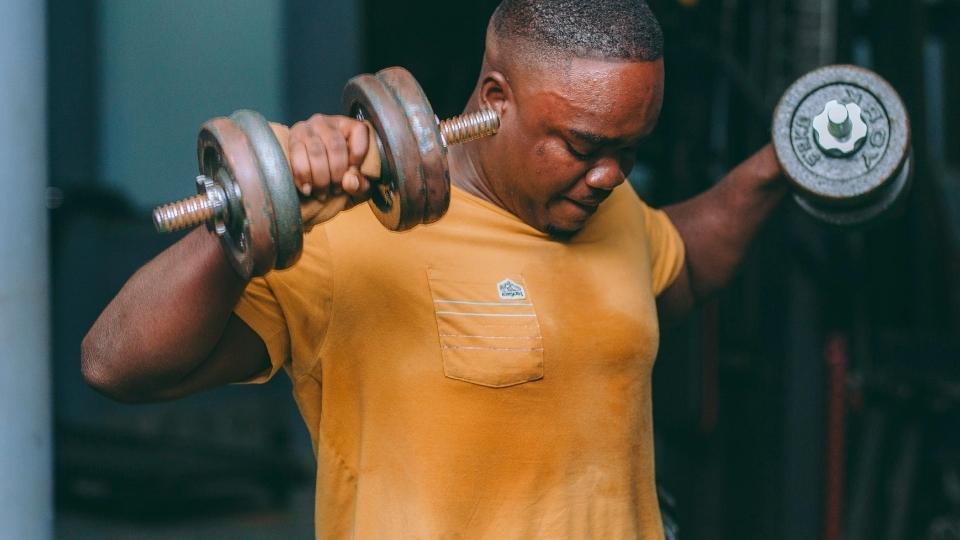
The term “coach” gets used loosely in the wellness space, so it’s worth clarifying what you can reasonably expect. An online weight loss coach typically works with you to build healthy habits, set realistic fitness goals, and stay accountable between sessions. Depending on their background, they may also offer guidance on making better food choices, structuring workouts, or addressing the behavioral patterns behind emotional eating.
What a coach generally doesn’t do is prescribe medication, order lab work, or diagnose medical conditions. If you’re looking for clinical support alongside coaching, that usually requires a separate relationship with a licensed healthcare provider. For most people, though, a good coach fills a gap that a gym membership or a generic app simply can’t: real accountability and a plan tailored to your individual needs.
A randomized clinical trial published in JAMA Network Open found that adding coaching to an online weight loss program significantly improved outcomes, with participants achieving greater weight loss and higher engagement compared to those using the digital program alone. The study authors also concluded that adding coaching into the mix was cost-effective and warranted further study.
The Difference Between a Coach, a Nutrition Coach, and a Personal Trainer
These roles overlap in some areas but differ in meaningful ways:
- A nutrition coach focuses primarily on food choices, eating patterns, and helping you develop healthy habits around what you eat. They typically don’t write clinical meal plans or provide medical nutrition therapy, which falls within the role of a registered dietitian, but they can offer practical, behavior-focused guidance on making better food choices day to day.
- A personal trainer focuses on exercise programming, movement quality, and helping you get fit through structured workouts. Some also weave in general nutrition guidance and help you build energy through consistent physical activity, as long as that guidance stays within non-clinical scope.
- A weight loss coach may draw from both areas, with a stronger emphasis on real accountability, mindset, and the daily routine adjustments that support long-term success.
Some coaches hold certifications in one or more of these areas. Others have built their practice around a personal transformation journey and a success story that resonates with their clients. Neither automatically makes someone effective, so credentials are worth looking into alongside reviews and overall approach.
What to Look for When Choosing a Coach
Not every coach is the right coach for you, and the fit matters more than credentials alone. Here are some factors worth weighing as you evaluate your options.
Credentials and Background
Look for coaches who can clearly explain their training and what it qualifies them to help with. A certified personal trainer with a nutrition coaching background is different from a licensed registered dietitian, and both are different from someone whose practice is built around lived experience. Know what you’re getting so you can set realistic expectations from the start.
A Plan Tailored to Your Life
Most people don’t struggle to lose fat because they lack information. They struggle because generic plans don’t account for their actual life: their schedule, their stress levels, their food preferences, their budget, or their history with their body. A coach worth working with will ask about your individual needs before suggesting anything. If someone jumps straight to a plan without asking meaningful questions about your daily routine, overall well-being, or what’s gotten in the way before, that’s a signal worth heeding.
Communication Style and Availability
A coaching relationship only works if you can actually talk to your coach. Before committing, clarify how often you’ll connect, what a typical first session looks like, and how they provide personalized feedback between sessions. Some coaches offer daily check-ins through an app, while others do weekly video calls. Knowing what you’re signing up for helps you stay consistent and avoid the drop-off that happens when expectations aren’t aligned.
Approach to Tough Days
Consistent motivation is something most people struggle with at some point. The coaches who help clients build lasting results tend to be the ones who have a realistic approach to tough days, not just the good ones. Ask how a coach handles setbacks, missed workouts, or weeks where progress stalls. A balanced lifestyle isn’t built on perfect execution. It’s built on what you do when things don’t go to plan.
Track Record and Testimonials
A success story from a previous client can be useful context, but look for patterns rather than outliers. Does the coach regularly help people with similar individual needs to yours? Do former clients describe real results over six months or more, rather than short-term wins that didn’t hold? Long-term success looks different from a before-and-after photo, and a good coach will be honest about that. Sustainable weight management is usually built on repeatable habits, not one dramatic short-term transformation.
What a Good First Session Looks Like
A strong first session with an online weight loss coach should feel like a genuine conversation, not a sales pitch. You should leave with a clearer sense of what working together would involve, whether the approach feels realistic, and whether you have the confidence that this person can actually help you reach your goals.
Expect to discuss:
- Where you are right now, including what you’ve tried before and where you’ve felt stuck
- What your specific weight loss goals and fitness goals are, and why they matter to you
- Any health conditions, energy concerns, or life circumstances that affect your options
- How the coach structures their weight loss program and tracks progress over time
- Costs, time commitment, and what real accountability looks like week to week
If a coach seems more interested in closing a sale than learning about your individual needs, trust that instinct.
Building a Healthy Lifestyle That Actually Sticks

One of the most common reasons people lose and regain weight is that the approach they used wasn’t built for a healthy lifestyle they could actually maintain. Extreme restriction, punishing workouts, and plans that ignore your real life might produce short-term results, but they rarely support overall health over time. Long-term change is more likely when people build sustainable eating, activity, and routine habits they can actually keep doing.
A good online weight loss coach helps you develop healthy habits that fit into your daily routine rather than replacing it entirely. That might look like:
- Making gradual adjustments to food choices rather than overhauling your diet overnight
- Building workouts around your schedule and energy levels, not an idealized gym routine
- Addressing emotional eating patterns so that food becomes a source of nourishment rather than stress
- Learning to stay consistent even when motivation dips, because motivation alone isn’t a reliable strategy
- Developing the kind of control and confidence around food and your body that carries into every area of your life
The goal isn’t a temporary transformation journey. It’s a shift in how you live day to day that supports your overall well-being for the long term.
How to Start Achieving Your Weight Loss Goals
Starting is often the hardest part of any fitness journey. The idea of committing to a new weight loss program can feel overwhelming, especially if previous attempts haven’t delivered the real results you were hoping for. But the first step doesn’t have to be a full commitment. It can simply be a conversation.
Here’s a practical way to begin:
- Make a short list of two or three coaches or programs that seem like a potential perfect fit for your situation
- Reach out and ask about their approach before booking anything
- Take advantage of any free consultations to get a sense of whether the communication style and program structure suit your individual needs
- Be honest with yourself about what kind of support you actually need, whether that’s accountability around your daily routine, guidance on better food choices, help with emotional eating, or something more clinical
Online Weight Loss Coach FAQs
What’s the difference between an online weight loss coach and a dietitian?
A registered dietitian is a credentialed healthcare professional who can assess nutritional needs and provide individualized clinical nutrition care tailored to your health goals. An online weight loss coach typically focuses on habits, accountability, and behavioral change. Some coaches have nutrition training, but they generally aren’t qualified to provide medical nutrition therapy or address complex health conditions.
How long does it take to see real results with an online coach?
Results vary depending on your starting point, the approach, and how consistently you engage. Some people notice meaningful changes within a few weeks. Others, particularly those working on building a balanced lifestyle from the ground up, may find that real results become more visible over three to six months of consistent effort. The timeline depends heavily on the person, the plan, and how sustainable the routine is.
Is online weight loss coaching covered by insurance?
In many cases, coaching alone is not covered the way licensed clinical services are, though some plans may offer partial reimbursement for programs that include licensed providers. If coverage matters to you, look for programs that include clinical oversight, since those are more likely to qualify for insurance billing or reimbursement depending on the health plan.
Taking the First Step Toward a Healthier Life
For some people, help with weight loss online means more than behavioral coaching. If you’ve worked hard on your fitness journey and struggled to lose more weight despite consistent effort, or if you have a health condition that’s connected to your weight, a licensed healthcare provider may need to be part of your plan. Medicare’s obesity behavioral therapy benefit is also built around qualified primary care practitioners rather than general coaches, reinforcing the distinction between coaching and clinical care.
With Azona Health, you can access support that goes beyond coaching. Your telehealth care team may include licensed healthcare providers who can assess your overall health, discuss your health goals, and create a personalized plan that addresses both the clinical and behavioral sides of weight management. For people who’ve tried a weight-loss program before and found that lifestyle changes alone didn’t produce lasting results, adding a medical component can change the outcome.
The goal isn’t to find a flawless program. It’s to find an approach that supports your overall health, fits your real life, and helps you build the confidence and consistency to reach your goals over time. At Azona Health, you can connect with coaches and care providers who take your individual needs seriously and build a plan tailored to where you actually are in your journey.