If you are exploring modern weight loss options, you have likely come across Zepbound, a prescription medication that has quickly become one of the most talked-about tools for chronic weight management. Understanding how Zepbound works inside the body, how long it takes to produce results, and what factors influence your personal progress can help you decide whether it belongs in your plan. For a personalized evaluation, Azona Health’s telehealth services can help you determine the right weight loss treatment for your goals.
This guide breaks down the mechanism of action, expected weight-loss timeline, clinical evidence, side effects, and lifestyle habits that maximize your results. It is written for readers who want clear answers, not marketing claims, about a medication that is changing how adults with obesity approach long-term weight management.
What Is Zepbound and How Does Zepbound Work?

Zepbound is a prescription medication developed by Eli Lilly and approved by the FDA for chronic weight management in adults with obesity or adults who are overweight and have at least one weight-related health condition. The same active ingredient in Zepbound, tirzepatide, is also found in Mounjaro, which is prescribed for type 2 diabetes.
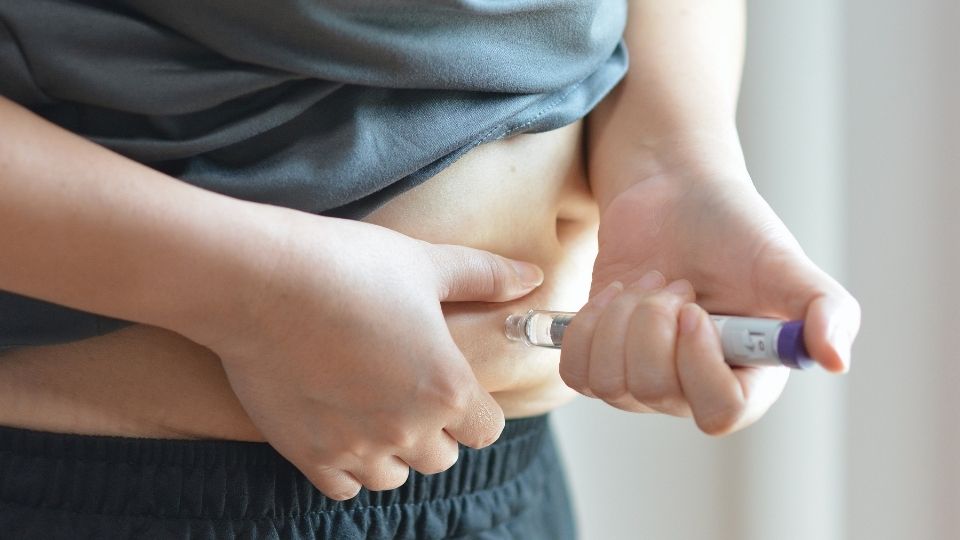
Zepbound works by mimicking two naturally occurring gut hormones that regulate hunger, satiety, and metabolism. It is given as a once-weekly injection and is most effective when combined with diet and exercise. The medication is designed for long-term use rather than short bursts of weight loss.
For a fuller introduction to the medication itself, our guide on what Zepbound is, including its uses, ingredients, and dosing, covers the essentials most new patients want to understand before their first injection.
The Active Ingredient Behind Zepbound
The active drug in Zepbound is tirzepatide. Unlike older weight loss medications that target a single hormone pathway, tirzepatide is a dual agonist, meaning it activates two different hormone receptors involved in appetite regulation and metabolism. This dual mechanism is what sets Zepbound apart from single-agonist medications like semaglutide.
Glucose-Dependent Insulinotropic Polypeptide Explained
Glucose-dependent insulinotropic polypeptide, often shortened to GIP, is a hormone released in your gut after eating. Zepbound’s ability to activate the dependent insulinotropic polypeptide GIP receptor, combined with its action on the glucagon-like peptide 1 (GLP-1) pathway, is believed to contribute to stronger appetite suppression and more sustained weight reduction than GLP-1-only options. You can learn more about how tirzepatide compares with other options in our guide on the difference between semaglutide and tirzepatide.
Discover telehealth-based weight loss care from Azona Health with a simple, supportive path to getting started.
The Science Behind How Zepbound Works in Your Body
Zepbound slows digestion, sends satiation signals to the brain, and helps your body regulate metabolic processes involved in weight management. Each effect builds over time, which is why most users see steady, progressive results rather than rapid drops on the scale.
Dual Action on Gut Hormones
By binding to both GIP and GLP-1 hormone receptors, Zepbound works on two appetite-regulating pathways at once. This dual-action approach mimics how your body naturally responds to a satisfying meal, helping curb cravings even when food intake drops. The combined effect on gut hormones is part of why the medication works so effectively for adults with obesity.
How Zepbound Slows Digestion and Reduces Food Intake
Zepbound slows gastric emptying, so food stays in the stomach longer and you feel full on smaller portions. Many users also report a dramatic decrease in “food noise,” those persistent, intrusive thoughts about eating that make weight loss so difficult. With fewer calories consumed and less mental energy spent resisting cravings, weight reduction becomes more sustainable.
Sending Satiation Signals to the Brain
Zepbound’s mechanism of action includes sending satiation signals to the brain, which reduces hunger and helps individuals consume fewer calories naturally. This brain-gut interaction is central to why the medication works so well for long-term weight management rather than short-term dieting.
Who Is Zepbound Designed For?

Zepbound is not a cosmetic weight loss drug. It is a clinical tool intended for people who meet specific medical criteria. If you are unsure whether you qualify, speaking with an online weight loss doctor can help clarify your options.
BMI and Weight-Related Health Condition Criteria
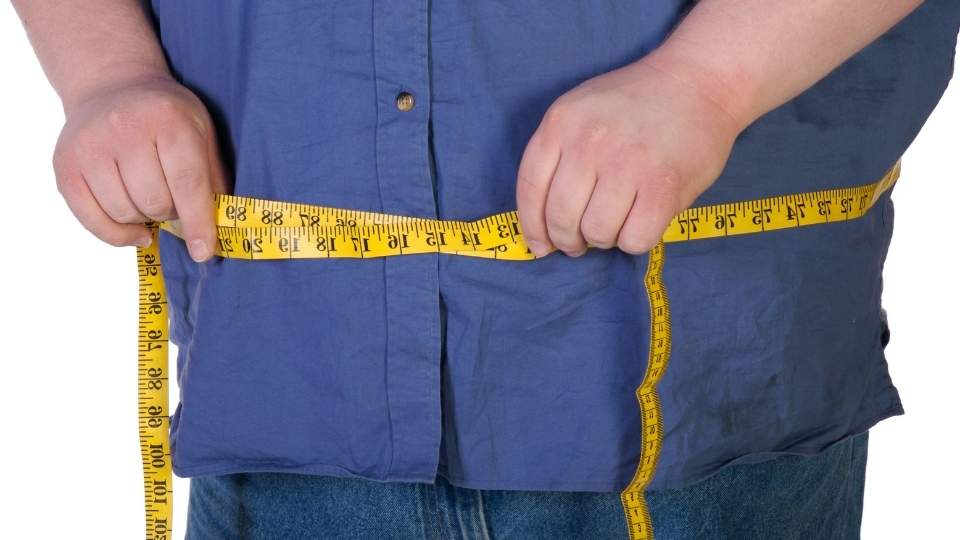
Zepbound is intended for adults with a body mass index of 30 or more, or adults with a body mass index of 27 or more who have at least one weight-related health condition, such as high blood pressure, type 2 diabetes, or high cholesterol. A full evaluation by your healthcare provider will confirm whether you qualify and whether the medication is safe for your history.
Approval for Obstructive Sleep Apnea
Zepbound is approved to treat moderate to severe obstructive sleep apnea in adults with obesity. This makes it the first medication approved for moderate to severe obstructive sleep apnea in adults with obesity, offering a potential dual benefit for people living with both conditions.
How Long Does It Take to See Results?
How long does it take to lose weight on Zepbound? Some people notice early changes within the first few weeks, but meaningful progress generally unfolds over several months of consistent treatment.
Initial Weight Loss in the First Few Weeks
Some users start to notice modest weight loss within the first month of treatment. During this phase, appetite typically decreases, portion sizes shrink, and the body adjusts to the medication. Initial weight loss at this stage is usually a few pounds, enough to provide motivation, though not yet dramatic.
Noticeable Weight Loss at the 3-Month Mark
For many people, the most noticeable weight loss appears over the first few months. By this point, higher doses have often been introduced, the body adjusts to the medication’s effects, and the combined impact of appetite suppression and healthy eating habits becomes visible on the scale and in how clothes fit.
Significant Weight Loss Over 6–12 Months
Significant weight loss is typically achieved between 6 and 12 months of consistent use. Zepbound typically begins to show noticeable weight loss results within 1 to 3 months, with significant improvements often seen by 6 to 12 months. Major milestones, such as improved blood pressure, better metabolic health, and reduced joint strain, often become apparent during this window.
Weight Loss Timeline: What to Expect Month by Month
The Zepbound weight loss timeline varies from person to person, but clinical studies and real-world data point to a predictable pattern. The table below summarizes typical progress for someone starting at a low dose and titrating up under medical supervision.
| Time on Zepbound | Typical Progress |
|---|---|
| Weeks 1–4 | Body adjusts, appetite drops, early pounds may be lost |
| Weeks 5–12 | Modest weight loss becomes more visible |
| Months 3–6 | Consistent, steady weight reduction |
| Months 6–12 | Significant weight loss often becomes more apparent |
| About a year + | Long-term weight management phase |
These numbers align with what has been documented in the New England Journal of Medicine SURMOUNT series of clinical trials for tirzepatide, though individual results vary. Our medical weight loss ultimate guide explains how timelines differ across medications and treatment plans.
Clinical Trial Results: Average Weight Loss on Zepbound
In one clinical trial, participants using tirzepatide lost an average of 15% to 21% of their body weight over a period of 72 weeks, with higher doses leading to greater weight loss. The maximum dose produced an average weight loss of nearly one-fifth of total body weight, a result that approaches outcomes historically more associated with bariatric surgery than medication alone.
Clinical studies also showed meaningful improvements in cardiometabolic measures such as blood pressure, supporting the idea that Zepbound can offer benefits beyond the scale. The dual-action approach facilitates weight management and can lead to secondary health benefits such as improved blood pressure and metabolic health.
Factors That Influence How Fast You Lose Weight
Several factors influence how quickly and how much you lose weight on Zepbound. Understanding these variables can help you set realistic expectations and work productively with your care team.
Starting Weight and Body Mass Index
The speed at which you lose weight on Zepbound depends on various factors, including your starting weight, the dose you are taking, diet, and physical activity level. People with a higher starting weight often see larger absolute body weight lost in pounds, though percentage-based losses tend to be similar across groups.
Dose and Medication Consistency
Zepbound is started at a low dose and gradually titrated upward toward the maximum dose. Staying consistent with weekly injections is crucial because missing doses can slow progress. Zepbound’s half-life supports once-weekly dosing, and repeated missed doses can measurably reduce your results.
Diet and Physical Activity
Diet plays an important role in weight loss, even when using Zepbound, and a nutritious diet can enhance the medication’s effectiveness. Combining the medication with a balanced diet and regular physical activity produces substantially better results than medication alone. Protein intake, in particular, helps preserve lean muscle during rapid weight loss. For structure and support, many patients benefit from working with a weight loss accountability coach.
Other Factors Affecting Results
Other factors affecting your progress include genetics, sleep quality, stress levels, and underlying conditions. Certain health conditions, such as type 2 diabetes, can influence how quickly or how much weight you lose on Zepbound. Genetic factors may also influence how well individuals respond. For a broader view of hormonal influences, see our breakdown of the role of hormones in weight loss.
Zepbound vs. Other Weight Loss Medications
Zepbound is not the only prescription medication in this category, but it is one of the most effective. In head-to-head comparisons, the dual GIP/GLP-1 action of Zepbound tends to produce more weight loss than single-agonist drugs that target only GLP-1.
Other commonly prescribed weight loss medications include:
- Semaglutide (Wegovy, Ozempic): A GLP-1-only agonist covered in our guide on how long does it take for semaglutide to produce results.
- Liraglutide (Saxenda): A daily GLP-1 injection with more modest weight loss outcomes.
- Oral medications: Naltrexone/bupropion, phentermine, and orlistat.
- Peptide-based options: Covered in our article on whether peptides for weight loss really work.
For a full comparison of today’s leading options, our top 10 weight loss treatments article lays out the differences side by side. If you’re specifically weighing Zepbound against the most talked-about GLP-1, our comparison of whether Zepbound is the same as Ozempic breaks down the differences in active ingredient, FDA approvals, and average weight loss in clinical trials.
Combining Zepbound with Diet and Exercise for Best Results
Zepbound is designed for long-term use and is most effective when combined with a reduced-calorie diet and increased physical activity. The medication creates the biological conditions for weight loss, reduced appetite, slower digestion, and improved metabolic regulation, but lasting change still requires daily habits that support those effects. Diet and exercise remain the foundation of any durable outcome.
Reduced Calorie Diet Recommendations
A reduced-calorie diet built around whole foods, lean protein, fiber, and vegetables works best. Healthy eating habits amplify the medication’s appetite-suppressing effects, and protein intake protects muscle during rapid reductions in body weight. For behavioral techniques that make nutrition changes stick, see our list of the top 5 behavioral strategies for weight loss.
How Much Physical Activity You Should Aim For
How much physical activity you need depends on your baseline fitness, but most guidelines recommend at least 150 minutes of moderate physical activity per week, plus two strength-training sessions. Regular physical activity supports metabolic rate, preserves muscle, and improves long-term weight management outcomes.
Everyday habits that support Zepbound include:
- Eating slowly so satiation signals have time to register
- Prioritizing protein at every meal to protect lean mass
- Drinking water consistently to reduce gastrointestinal discomfort
- Walking after meals to support blood sugar levels
- Sleeping 7–9 hours nightly to regulate hunger hormones
For a structured approach that combines nutrition, exercise, and medical oversight, explore Azona Health’s weight loss services.
Common Side Effects and Safety Considerations
Like any prescription medication, Zepbound carries risks alongside its benefits. Understanding potential adverse effects helps you work with your healthcare provider to manage them safely.
Thyroid Cancer Warning
The medication carries an FDA black box warning regarding the risk of thyroid C-cell tumors. Thyroid tumors have been observed in rodent studies, though it is not clear whether Zepbound causes thyroid cancer in humans. People with a personal or family history of medullary thyroid cancer or Multiple Endocrine Neoplasia syndrome type 2 should not take Zepbound. The decision whether to take medication should always be made with the help of a medical professional.
For a fuller picture of long-term safety and the groups who should avoid this medication entirely, our article on whether Zepbound is safe and who shouldn’t take it outlines the risks and contraindications worth reviewing with your provider.
Gastrointestinal and Injection Site Reactions
The most common side effects are gastrointestinal: nausea, diarrhea, vomiting, constipation, and stomach pain. These symptoms are usually worst during dose escalation and ease as the body adjusts. Other possible adverse effects include injection site reactions, fatigue, and rare allergic reactions. Always report concerning symptoms to your healthcare provider right away.
For a closer look at how long these reactions typically last, our article on how long Zepbound side effects last covers the usual timing during the first weeks of treatment and after each dose increase.
What Happens If You Stop? Can You Regain Weight?
One of the most important questions to ask before starting Zepbound is what happens when you stop. Many people regain weight once the medication is discontinued, because the biological drivers of hunger and food intake return. The medication does not “cure” obesity; it treats it, much like blood pressure medication treats hypertension.
Zepbound is built for chronic weight management, not a short-term fix. Working with your healthcare provider to sustain lifestyle changes, and in some cases remaining on long-term maintenance dosing, is key to preventing regain. Our guide on medical weight loss maintenance goes deeper into long-term strategies.
Frequently Asked Questions About Zepbound Weight Loss Treatment
How long does it take for Zepbound to start working?
Zepbound begins working after you start treatment, but visible changes in appetite and weight usually unfold over days to weeks rather than instantly. Visible weight loss usually appears after about 4 weeks for some people, and significant weight loss typically occurs between months 3 and 6 of consistent weekly injections paired with lifestyle changes.
Can I take Zepbound long-term for weight management?
Yes. Zepbound is approved for chronic weight management and is designed for long-term use. Many people stay on it for about a year or longer, with maintenance dosing tailored by their healthcare provider to help prevent regaining excess weight. Your healthcare provider will review your progress regularly and adjust treatment to support sustained, healthy weight management outcomes.
What factors affecting weight loss should I discuss with my healthcare provider?
Discuss starting weight, body mass index, medical history, current medications, diet, physical activity, sleep, and any weight-related health condition you have. Several factors influence how quickly you respond to Zepbound, what dose is appropriate, and which side effects to watch. Open communication supports safer, more personalized weight loss treatment decisions.
Taking the Next Step in Your Weight Loss Journey
Zepbound represents one of the most significant advances in weight loss treatment in decades, offering adults with obesity a clinically proven tool that works with the body’s natural hormone systems. Pairing it with healthy eating habits, regular physical activity, and medical oversight gives most users the best chance at durable results.
If you want to learn whether a weight loss medication is right for you, getting a weight loss medication prescription online is now easier than ever. Azona Health connects you to providers who can help you develop a personalized weight management plans that combine medication and lifestyle support, so you can focus on progress, not guesswork.