
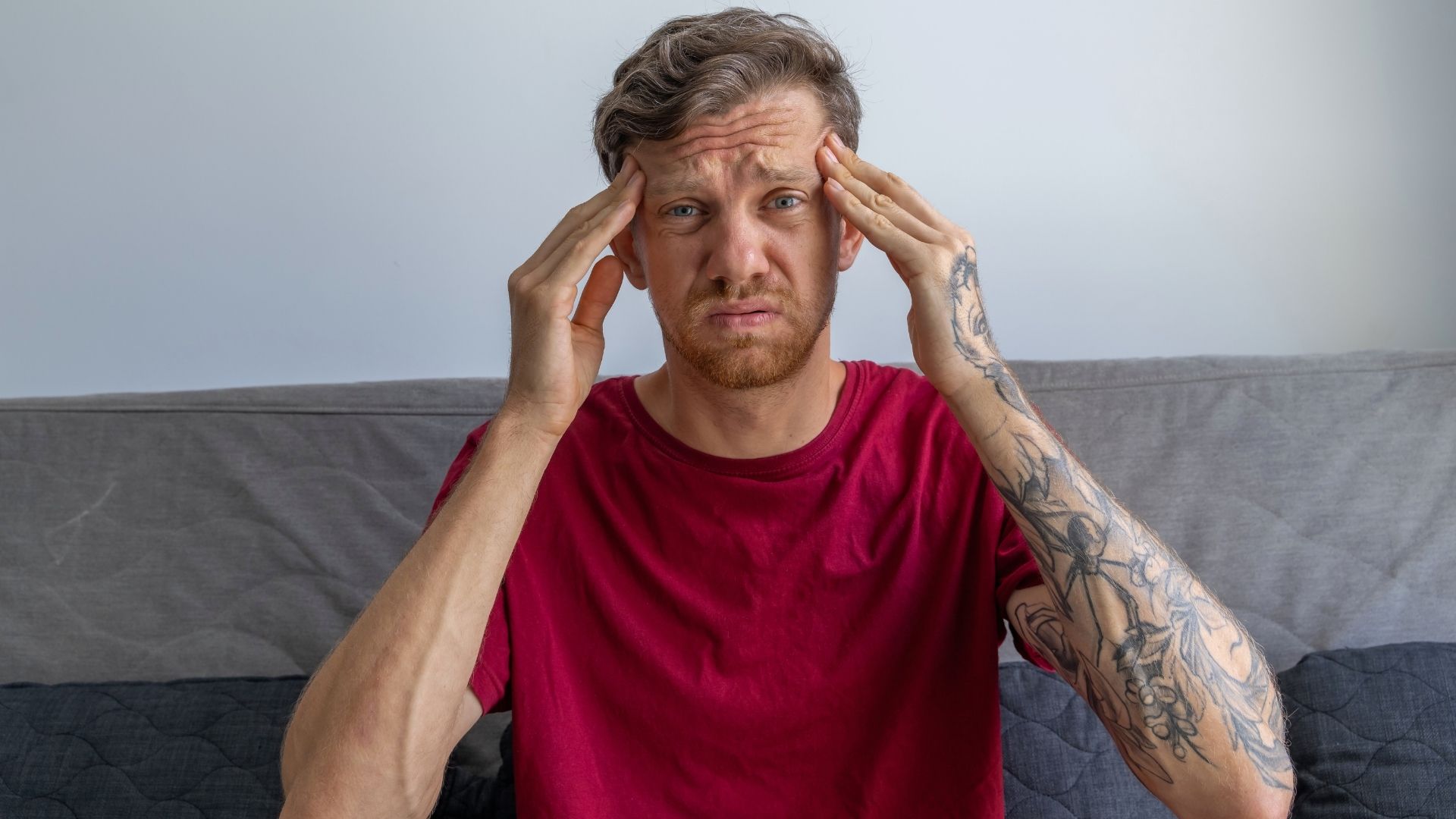
Living with adult ADHD often feels like navigating a world where the volume is turned up too high. When you add an anxiety disorder to the mix, that volume becomes a deafening roar of racing thoughts and constant worry. You might find yourself wondering if your anxious feelings are just part of the ADHD symptoms or if you are dealing with two separate mental health challenges.
Finding the best ADHD medication for adults with anxiety is not just about picking a pill; it is about finding a balance that calms your ADHD brain without making your anxiety symptoms worse. This guide explores how these conditions overlap, the effectiveness of various medications, and how you can work with a mental health professional to reclaim your focus and peace of mind.
Key Insights
- Approximately half of adults with ADHD also meet the criteria for a coexisting anxiety disorder.
- Stimulant medications can effectively treat ADHD but may occasionally trigger anxiety in sensitive individuals.
- Managing ADHD and anxiety often requires a combination of medication management and therapeutic strategies.
Determining if Anxiety is an ADHD Symptom or a Separate Condition

Distinguishing between ADHD and anxiety can be a difficult task because they share so many characteristics. You might experience trouble concentrating or a sense of restlessness that feels like it could belong to either diagnosis. According to the Anxiety and Depression Association of America (ADAA), less than 20 percent of adults with ADHD have been diagnosed or treated for their condition, and half of the adults with ADHD also have an anxiety disorder. For many, the executive function struggles of ADHD, such as missed deadlines or chronic disorganization, directly lead to stress and anxious feelings. This is often referred to as secondary anxiety, where your ADHD symptoms are the primary cause of your worry.
| Symptom | Primary ADHD | Primary Anxiety | Both ADHD and Anxiety |
| Focus | Distracted by external stimuli | Distracted by internal worry | Paralyzed by too many thoughts |
| Sleep | Difficulty shutting brain off | Worrying about future events | Exhaustion paired with insomnia |
| Social | Impulsive talking | Fear of judgment | Avoiding social situations entirely |
| Work | Procrastination due to boredom | Procrastination due to fear | Total executive function breakdown |
However, for others, generalized anxiety disorder or social anxiety disorder exists alongside their ADHD brain as a separate entity. In these cases, even when your ADHD is well-managed, the constant anxiety remains. When both disorders are present, they can exacerbate one another, leading to significant difficulty in daily life. Anxiety can sometimes act as a coping mechanism for ADHD, where the fear of failure drives a person to focus, though this comes at a high emotional cost and eventually leads to burnout.
- Shared symptoms between both conditions:
- Difficulty concentrating on mundane tasks.
- Restless energy or an inability to relax.
- Sleep disturbances and racing thoughts at night.
- Differentiating factors to look for:
- ADHD focus issues often stem from boredom or distraction.
- Anxiety focus issues usually stem from intrusive worries or fear.
- ADHD restlessness is often physical, while anxiety restlessness is often mental tension.
Navigating First-Line ADHD Medication for Adults with Anxiety

When you seek treatment for ADHD, stimulant medications are typically the first line of defense due to their high effectiveness. These drugs work by increasing neurotransmitters like dopamine in the ADHD brain, which helps you maintain focus and control impulsivity. For some adults with ADHD, treating the core symptoms with stimulants actually reduces their anxiety because they feel more in control of their lives and tasks. However, stimulants can also cause side effects like an increased heart rate or jitteriness, which some people may interpret as a panic disorder or heightened stress. Commonly prescribed stimulant types include:
- Methylphenidate based options: These medications, including Ritalin and Concerta, work by blocking dopamine reuptake in the brain to improve focus and attention.
- Amphetamine based options: Medications like Adderall and Vyvanse increase dopamine and norepinephrine release, helping to enhance concentration and reduce impulsivity.
- Extended release formulations for steady levels: These long-acting versions provide consistent medication levels throughout the day, reducing the need for multiple doses and minimizing fluctuations in symptom control.
Exploring the Effectiveness of Non-Stimulants for Comorbid Anxiety
Sometimes, the best ADHD medication for adults with anxiety is actually a non-stimulant. These medications, such as atomoxetine or viloxazine, do not work as quickly as stimulants but offer a more consistent level of symptom control throughout the day and night. Because they do not cause the same spikes in dopamine and norepinephrine, they are far less likely to trigger anxiety or irritability. In fact, research shows that atomoxetine can significantly reduce both ADHD symptoms and coexisting anxiety in adults.
Another option includes medications originally designed to treat blood pressure, like guanfacine or clonidine. These are often used when a person experiences significant hyperactivity or impulsivity alongside their anxious feelings. They tend to have a sedating or calming effect, which can be a relief for those who feel like they are in a state of constant anxiety. A key advantage of non-stimulants is that they are not controlled substances, which simplifies medication management for many family members and patients. It is important to note that these can take several weeks to reach full effectiveness, so patience is required during the initial stages of treatment.
| Medication Type | Speed of Action | Impact on Anxiety | Best For |
| Long-Acting Stimulants | Fast (Hours) | Variable | Primary ADHD focus issues |
| Non-Stimulants (NRI) | Slow (Weeks) | Calming | ADHD with generalized worry |
| Alpha-2 agonists (guanfacine/clonidine) | Moderate | Sedating | Hyperactivity and sleep issues |
| Antidepressants | Slow (Weeks) | Stabilizing | Combined ADHD and depression |
Addressing Emotional Dysregulation and Executive Function Challenges
Many adults find that their greatest struggle is not just inattention, but emotional dysregulation. This refers to the difficulty in managing intense emotions, leading to quick irritability or feelings of being overwhelmed. While not always listed as core symptoms in the DSM, these challenges are often what lead to social anxiety and problems in adulthood. The ADHD brain often has trouble with the top-down regulation of emotions, meaning once you feel anxious, it is very hard to talk yourself out of it.
Treating anxiety in the context of ADHD requires looking at how your executive function affects your mood. If you cannot plan your day, you will naturally feel more stress. Certain medications can help bridge this gap by strengthening the prefrontal cortex’s ability to manage signals from the emotional centers of the brain. Emotional impulsivity can sometimes be the hidden link between ADHD and panic disorder; by treating the impulsivity, you may find some of your panic symptoms naturally subside.
Support Resources for ADHD and Anxiety
The ADAA offers an online therapist directory to help connect people with a licensed mental health professional in their area. They also offer a variety of learning tools developed by expert professional members to assist those with ADHD and anxiety.
Working with a Mental Health Professional for Medication Management
Finding the right balance often requires a combination of treatments rather than a single magic pill. Your mental health professional might suggest a stimulant to help with daytime focus and an antidepressant or a non-stimulant to handle the underlying anxiety. This dual approach can target different pathways in the brain to provide a more comprehensive solution. It is also helpful to incorporate relaxation techniques and cognitive behavioral therapy to address the behaviors and thought patterns that have developed over the years of living with undiagnosed ADHD.
Best ADHD Medication for Adults with Anxiety: Frequently Asked Questions
Can ADHD medication help with anxiety?
Yes, for many adults, treating ADHD with medication can actually reduce anxiety. When ADHD symptoms like forgetfulness and lack of focus are managed, the chronic stress caused by these behaviors often decreases. However, some people may find that certain stimulant medications make their physical anxiety symptoms, like a rapid heart rate, feel more intense.
What is the best non-stimulant for ADHD and Anxiety?
Atomoxetine is widely considered one of the best non-stimulant options for adults with both ADHD and anxiety. Unlike stimulants, it provides 24-hour symptom coverage and does not typically increase heart rate or nervousness. Other options like guanfacine can also be effective, particularly for those who experience high levels of restlessness.
Why does my ADHD feel like constant anxiety?
The ADHD brain is often in a state of hyperarousal, which can mirror the feeling of constant anxiety. Because you may struggle to filter out distractions or regulate your emotions, your nervous system can become overwhelmed. This creates a state of permanent tension that many adults mistake for a pure anxiety disorder.
Treating ADHD and Anxiety Through Telehealth Solutions
Navigating the complexities of ADHD and anxiety requires a thoughtful, personalized approach to treatment. By recognizing how these conditions interact, you can choose the best ADHD medication for adults with anxiety that addresses your specific needs. Whether you require a non-stimulant, a low-dose stimulant, or a combination of therapies, support is available. To start your journey toward a calmer and more focused life, get started with Azona Health today.