

Struggling to lose weight can feel overwhelming when you’re bombarded with conflicting advice. Should you try another diet, or is it time to explore medical weight loss options? Knowing the critical differences between medical weight loss and traditional dieting helps you make informed decisions about your health. In this article, we break down both approaches, examine their effectiveness, explore when each option makes sense, and provide practical guidance to help you achieve success on your weight loss journey.
Main Points
- Medical weight loss programs offer healthcare professional supervision and personalized treatment plans
- Traditional dieting focuses on lifestyle changes through healthy eating habits and physical activity
- Prescription weight loss medications can produce modest weight loss when combined with behavior modifications
- Bariatric surgery provides significant results for individuals with severe obesity and weight-related health problems
- Combining medical support with healthy habits creates the most sustainable weight management strategy
What is a Traditional Dieting Approach?

Traditional dieting represents the foundation of weight loss for millions of people. These methods emphasize creating a calorie deficit through healthy eating and increased exercise habits. You’ll find countless commercial weight loss programs promising results through meal replacements, portion control, and support group participation.
The primary appeal of traditional dieting that makes it one of the most popular weight loss options people try lies in its accessibility. You don’t need medical approval to start eating fewer calories or joining a gym. Many people achieve their weight loss goals through consistent lifestyle changes, developing healthy eating patterns that prevent weight gain long-term. However, research shows that approximately 80% of people who lose weight regain it within five years, which means that this approach, despite it’s popularity, isn’t enough to help many struggling with weight loss.
What Medical Weight Loss Programs Offer
Medical weight loss takes a clinical approach under healthcare professional guidance. This treatment option begins with comprehensive evaluations of your weight history, medical conditions, and cardiovascular risk factors like high blood pressure and high cholesterol.
- Providers create customized treatment plans addressing the root causes of excess weight rather than just symptoms.
- Unlike commercial programs, medical weight loss programs integrate prescription weight-loss medications, nutritional counseling, behavioral therapy, and ongoing monitoring.
- Your care provider tracks blood sugar, cholesterol levels, and blood pressure while adjusting your treatment plan, ensuring what you are doing is actually showing results over time.
This supervised approach proves particularly valuable for individuals with health conditions like sleep apnea, heart disease, or diabetes, where weight issues complicate existing problems. The personalized attention helps identify unhealthy eating habits and emotional triggers that sabotage progress.
The Role of Prescription Medications
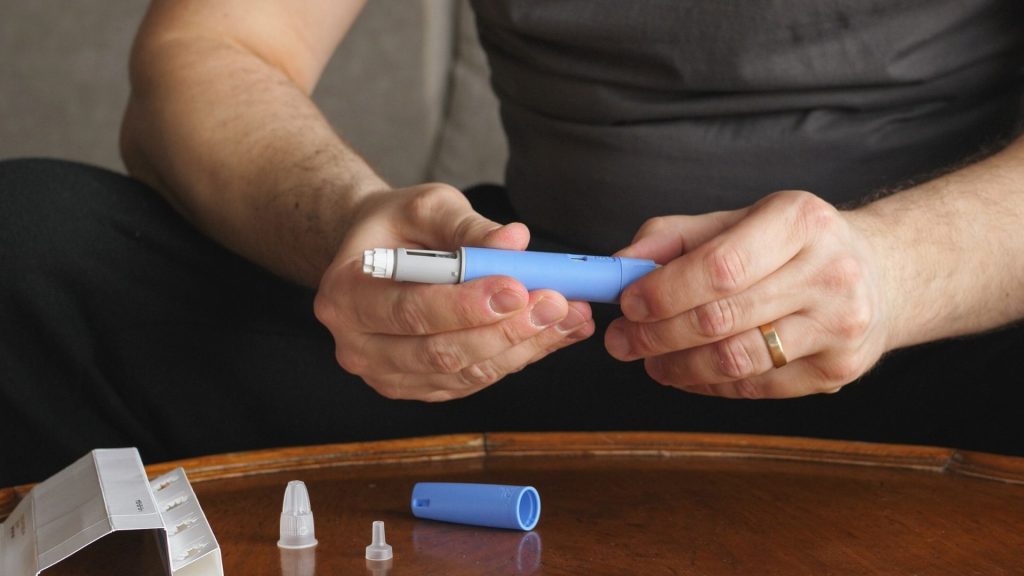
FDA-approved prescription medications have truly changed weight loss options in recent years. These treatments have gained popularity because of their effectiveness, being promoted by celebrities who have undergone considerable transformations.
GLP-1 receptor agonists:
- Semaglutide (Wegovy) – weekly injection
- Liraglutide (Saxenda) – daily injection
GLP-1/GIP receptor agonist:
- Tirzepatide (Zepbound) – weekly injection
These drugs work through various mechanisms in your digestive system and brain to help you lose weight. Some reduce appetite, others block fat absorption, while newer medications mimic hormones that regulate how much food you consume.
Studies demonstrate these medications produce an average weight loss of 5-15% of body weight when combined with lifestyle modifications. However, they’re not magic pills that create instant, permanent change. You still need commitment to healthy eating plans and regular physical activity.
Common side effects include:
- Nausea
- Abdominal pain
- Digestive changes
Your healthcare professional determines if prescription medications suit your situation based on body mass index above 30 or above 27 with related health conditions. Insurance coverage varies, making the cost of these medications a consideration for many patients.
Bariatric Surgery: When Diet Isn’t Enough
Weight loss surgery represents the most intensive medical intervention to treat obesity, it also remains the most durable in the long-term for treating obesity. Gastric bypass surgery, gastric balloon procedures, and other endoscopic procedures physically alter your digestive system to restrict food intake or nutrient absorption. These minimally invasive techniques have evolved significantly, offering safer options than traditional open surgery.
Bariatric surgery candidates typically have a body mass index above 40 or above 35 with serious health issues. The procedures can produce dramatic results, with patients losing 25-30% of excess weight. Beyond just the weight reduction, surgery often resolves type 2 diabetes, high blood pressure, and sleep apnea. However, surgery requires lifelong commitment to vitamin supplementation, eating pattern monitoring, and regular follow-up.
Complications, though rare with experienced surgeons, include nutritional deficiencies and the need for revision procedures. Despite its effectiveness, the risks make this one of the weight loss options best used when you’ve exhausted other treatment options without achieving a healthy weight. Still, this procedure is considered underutilized in those for whom the benefits would outweigh the drawbacks.
Comparing Success Rates and Sustainability
Success metrics differ dramatically between approaches. Traditional dieting shows initial promise, with many people losing 5-10% of body weight in the first six months. Unfortunately, weight maintenance proves challenging without ongoing support and accountability. Your eating habits and stress management skills heavily influence long-term outcomes.
Medical weight loss programs demonstrate higher success rates due to professional oversight and multi-faceted interventions.
- Participants receive education about realistic goals, gain control over emotional eating, and access resources that jump-start weight loss while building sustainable, healthy habits.
- Prescription medications extend the duration of weight loss and improve maintenance rates.
- Bariatric surgery produces the most dramatic and sustained results, though it requires the greatest commitment and carries surgical risks.
Lifestyle Changes: The Common Foundation in Successful Weight Loss Options
Regardless of which approach you choose, lasting success demands fundamental lifestyle changes. You cannot outrun a poor diet or rely solely on medical interventions.
- Small, consistent changes to eating patterns create lasting transformation more effectively than extreme restrictions that prove unsustainable.
- Developing healthy eating plans means understanding portion control, choosing nutrient-dense foods over empty calories, and planning meals ahead.
- Physical activity doesn’t require marathon training. Gradually increase movement throughout your day, aiming for 150 minutes of moderate exercise weekly.
- Sleep quality, stress management, and social support significantly impact your ability to maintain a healthy weight. Poor sleep disrupts hormones regulating appetite, while chronic stress often triggers unhealthy eating habits.
- Building a support group, whether through friends, family, or formal programs, provides accountability and encouragement during challenging periods.
Medical Weight Loss vs. Traditional Dieting
| Aspect | Medical Weight Loss | Traditional Dieting |
|---|---|---|
| Supervision | Healthcare professional oversight | Self-directed or commercial program |
| Customization | Personalized treatment plans based on health conditions | Generic plans for general population |
| Tools Available | Prescription medications, surgery, behavioral therapy | Meal plans, exercise programs, support groups |
| Cost | Higher upfront costs, insurance may cover | Lower costs, mostly out-of-pocket |
| Success Rate | Higher with medical supervision | Moderate, depends on individual commitment |
| Best For | BMI >30 or >27 with health issues | Those with modest weight loss goals |
Choosing Between Weight Loss Options: Making the Right Choice for Your Health
Choosing between medical weight loss and traditional dieting depends on multiple factors. Consider your body mass index, existing health conditions, previous weight loss efforts, and family history of obesity. If you’ve tried multiple diets without lasting success, medical intervention might provide the structure and support you need.
Start by consulting a healthcare professional who specializes in weight management. They’ll evaluate whether your health issues require immediate intervention or if traditional methods remain appropriate. Many people benefit from combining approaches using medical supervision to jump-start weight loss while building healthy habits for long-term weight maintenance.
Your overall health, not just the number on the scale, should guide your decision. According to the Centers for Disease Control, healthy, sustainable weight loss typically means losing 1-2 pounds weekly, which makes it more likely to stay off than losing a bunch of weight at once.
Weight Loss Options Frequently Asked Questions
What are the best options for weight loss?
The best weight loss options combine dietary changes, regular physical activity, and behavioral modifications. Evidence-based approaches include calorie reduction, portion control, increased protein and fiber intake, strength training, and cardiovascular exercise. For some, medically supervised programs, prescription medications like GLP-1 agonists, meal replacements, or bariatric surgery may be appropriate based on individual health needs and BMI.
What is the most successful weight loss treatment?
Bariatric surgery shows the highest long-term success rates, with patients losing the most excess weight compared to other weight loss options. However, success depends on individual factors and commitment. Combined approaches, including GLP-1 medications, intensive lifestyle interventions, behavioral therapy, and ongoing support, also demonstrate strong results. The most successful treatment is individualized, sustainable, and addresses underlying behaviors and medical conditions comprehensively.
Azona Health Connects You to Qualified Weight Loss Specialists
Weight loss doesn’t have to feel overwhelming. Azona Health helps you find qualified professionals offering effective, personalized solutions that fit your lifestyle and goals. You deserve care that works. Reach out to Azona Health and take that critical first step through our telehealth solutions.