

Struggling to lose weight despite your best efforts with diet and exercise? Are you hearing buzz about peptides for weight loss, particularly GLP-1 medications like semaglutide and tirzepatide, but don’t know how to separate fact from fiction? These prescription medications have transformed weight management for millions, but knowing when they are the right choice for you is the critical question.
This guide explores how these receptor agonist medications work, their potential benefits and risks, what clinical trials reveal about average weight loss, and whether they’re right for your weight loss journey. You’ll discover the science behind fat loss, essential safety considerations, and how to work with your healthcare provider to achieve sustained weight loss.
Quick Takeaways
- GLP-1 receptor agonists like semaglutide help people lose 15-20% of body weight on average when combined with lifestyle changes
- These peptides work by mimicking natural hormones that regulate blood sugar levels, reduce food intake, and slow digestion
- FDA-approved options include semaglutide (Wegovy, Ozempic) and tirzepatide (Mounjaro, Zepbound) for weight management
- Peptide injections work best alongside a reduced-calorie diet, regular exercise, adequate sleep, and stress management
- Not everyone qualifies for treatment; your healthcare provider evaluates body mass index, family history, and weight-related medical problems
- Long-term success requires maintaining lifestyle changes even after stopping medication
What Are Peptides for Weight Loss?

Peptides are chains of amino acids that function as signaling molecules in your body. When using peptides for weight loss, the most effective peptides are GLP-1 receptor agonists, which mimic a natural hormone your gut produces after eating. These prescription medications work differently from traditional weight loss medications by directly targeting multiple pathways that control appetite, blood sugar, and fat storage.
The active ingredients in these medications bind to receptors in your brain, pancreas, and digestive system. This triggers a cascade of effects that promote weight loss without requiring superhuman willpower. However, these medications aren’t miracle cures that solve obesity and weight loss problems on their own. Instead, think of them as tools that make healthy choices easier rather than magic solutions requiring no effort.
How Does GLP-1 Work for Weight Loss?
When you eat, your intestines naturally release glucagon-like peptide-1 (GLP-1). This hormone tells your brain you’re satisfied, signals your pancreas to release insulin, and slows how quickly food leaves your stomach. People struggling with excess weight often have disrupted hunger signals. GLP-1 medications restore these natural processes.
Here’s what happens when you take these peptide injections:
- Your brain receives stronger satiety signals, making smaller portions feel satisfying.
- Your stomach empties more slowly, extending feelings of fullness between meals.
- Your pancreas improves insulin secretion, helping maintain healthy blood sugar levels.
- Your body also experiences changes in lipid metabolism and fat breakdown, though researchers are still mapping these complex effects.
How Does Semaglutide Work for Weight Loss?
Semaglutide, the ingredient in popular weight and diabetes management medications like Wegovy and Ozempic, represents one of the most studied weight loss medications available. This receptor agonist works by activating GLP-1 receptors throughout your body.
Clinical trials demonstrate impressive results. Over half of participants who were overweight or obese in a two-year study published in Nature lost at least 15% of their baseline body weight when combining semaglutide treatment with lifestyle changes. This was particularly impressive, given the ease at which many people can lose weight in the short-term, but struggle to keep it off long-term.
The medication comes as a once-weekly injection in the upper arm, abdomen, or thigh. You start with a low dose that gradually increases, allowing your body to adjust and minimizing side effects. The prescription medicine works continuously between doses, providing steady appetite suppression and metabolic benefits that support fat loss throughout the week.
Liraglutide’s Benefits: Glycemic Control and Weight Reduction
Liraglutide is a GLP-1 receptor agonist medication originally developed for type 2 diabetes. It aids weight loss by mimicking the hormone GLP-1, which slows stomach emptying, reduces appetite, and increases feelings of fullness. It’s FDA-approved for chronic weight management under the brand name Saxenda at higher doses than for diabetes treatment.
Tirzepatide Weight Loss: The Dual Approach to Peptides for Weight Loss
Tirzepatide (Zepbound) takes peptide therapy further by targeting two hormone pathways simultaneously. Beyond activating GLP-1 receptors, it also stimulates glucose-dependent insulinotropic polypeptide receptors. This dual action may explain why some clinical trials show even greater average weight loss compared to semaglutide alone.
Recent research published in major medical journals indicates that tirzepatide users lost 15-20% of body weight, depending on the dose. The medication particularly excels at improving blood sugar control, making it valuable for people with type 2 diabetes alongside obesity. However, individual results vary based on adherence to a healthy diet, exercise routine, and other lifestyle changes.
What is the Best Peptide for Fat Loss?
| Medication | Mechanism | Average Loss | Taking Frequency |
| Semaglutide | GLP-1 agonist | 10-15% | Weekly |
| Tirzepatide | Dual agonist | 15-20% | Weekly |
| Liraglutide | GLP-1 agonist | 5-10% | Daily |
Benefits of Peptides for Weight Loss Beyond Fat Burning
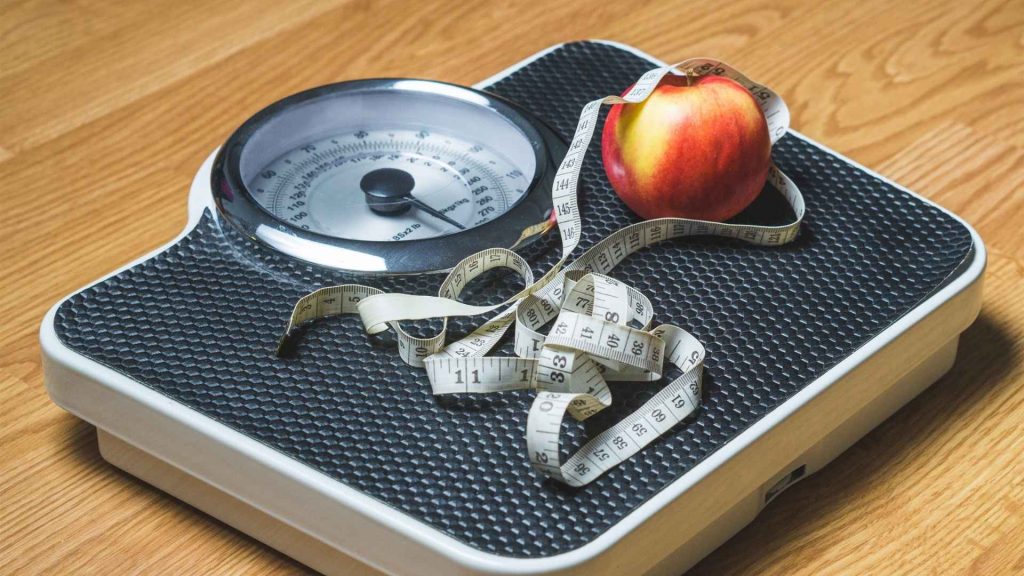
While fat loss grabs headlines, these medications offer additional health improvements. Many users experience better blood pressure control, reduced risk of heart disease, and improved markers of lipid metabolism. People with sleep apnea often see symptom improvement as they lose weight.
The potential benefits extend to reducing complications of obesity. Studies show decreased risk of developing kidney disease, improvements in liver function, and better management of weight-related conditions. These systemic improvements explain why healthcare providers increasingly view these medications as tools for overall metabolic health, not just cosmetic weight management.
Who Should Consider Peptide Injections?
FDA approval for these medications requires specific criteria. Generally, you qualify if your body mass index exceeds 30, or reaches 27 with at least one weight-related medical problem like high blood pressure, type 2 diabetes, or severe obstructive sleep apnea. Your healthcare provider evaluates your personal or family history of certain conditions before prescribing.
These aren’t appropriate for everyone. People with a personal or family history of thyroid cancer or thyroid tumors should avoid them. If you have kidney disease, kidney failure, or diabetic retinopathy, your doctor weighs risks carefully. Pregnant women or those taking certain other medications may need alternative approaches to weight management.
Safety and Side Effects to Know
Most people tolerate peptide injections well, though side effects do occur. Common complaints include:
- Nausea
- Problems digesting food
- General stomach problems, especially when starting or increasing doses
These typically improve within weeks as your body adjusts.
Serious concerns remain rare but require awareness:
- Watch for signs of serious allergic reactions like trouble swallowing, severe rash, or breathing difficulties.
- Low blood sugar becomes more likely if you take diabetes medications alongside these drugs.
- Report persistent abdominal pain to your healthcare provider immediately, as pancreatitis, though uncommon, requires prompt attention. The injection site may develop redness or irritation in some users.
Frequently Asked Questions About Peptides for Weight Loss
Do peptides really work for weight loss?
Yes, certain peptides like GLP-1 receptor agonists (semaglutide, liraglutide) demonstrate significant weight loss effectiveness in clinical trials, with patients losing 10-15% body weight. However, results vary by peptide type, dosage, and individual factors. They work best combined with diet and exercise modifications.
What is the best peptide to take for fat loss?
Semaglutide (Wegovy) is currently considered the most effective, showing an average weight loss of 15% in trials. Tirzepatide (Zepbound) demonstrates even greater results. Liraglutide (Saxenda) is also FDA-approved but less potent. Your best choice depends on individual health factors, tolerability, and medical supervision.
Take Control of Your Health Today With Azona Health
Ready to transform your wellness? Azona Health offers personalized telehealth consultations for weight loss and hormone balance, plus convenient access to peptide therapies directly through our storefront. Through the patient portal, you can connect with physicians, dieticians, and nutritionists to receive comprehensive support tailored to your unique needs. Get started today and start achieving your health goals with confidence.