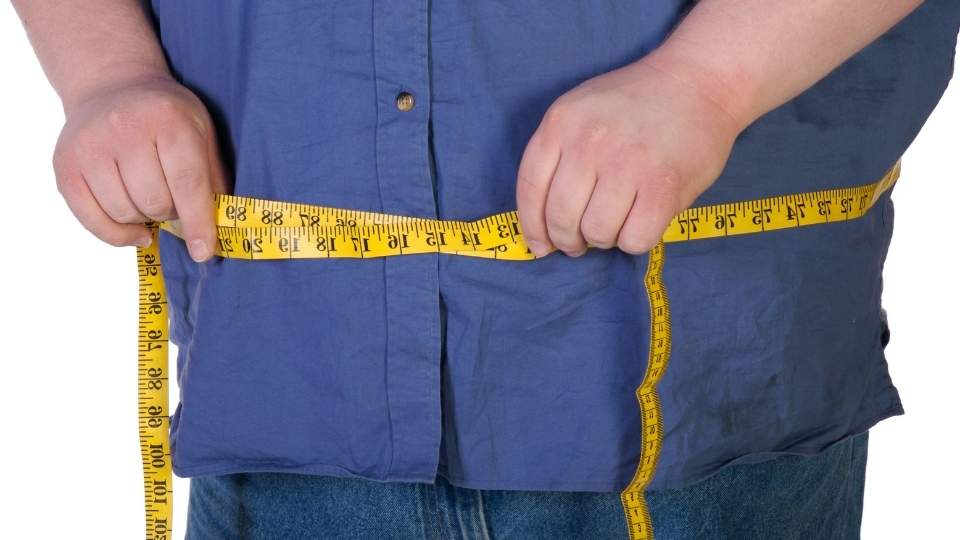

Zepbound has quickly become one of the most talked-about weight loss medications since its FDA approval, offering a new option for adults struggling with obesity or other weight-related medical problems. Manufactured by Eli Lilly, this once-weekly injectable medication contains tirzepatide, the same active ingredient found in the diabetes drug Mounjaro. For many people, Zepbound is the first prescription medication that actually matches the results they hoped to see from years of diet and exercise alone.
If you’ve tried lifestyle changes without lasting results, Zepbound can work well as part of a structured medical weight loss program that pairs clinical oversight with nutrition and activity planning. In this guide, we’ll break down how Zepbound works, who qualifies, what the dosing schedule looks like, possible side effects, and how it compares to other weight loss drugs on the market.
What Is Zepbound?
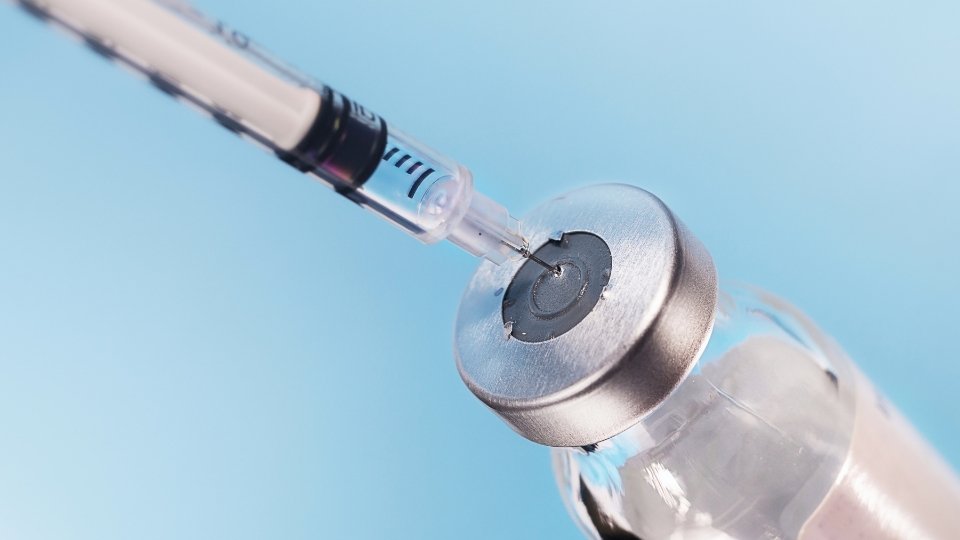
Zepbound is a prescription medicine approved by the FDA in November 2023 for chronic weight management in adults with obesity, or in overweight adults with at least one weight-related health condition. It is administered once a week as a subcutaneous injection.
Unlike oral medications used for some weight-loss approaches, Zepbound is an injectable medication delivered with a single-use pen or a single-use vial. It is intended for long-term use alongside a reduced-calorie diet and increased physical activity, not as a short-term fix. When combined with this kind of diet and increased physical activity, patients often see sustained improvements in body weight and related health measures.
The Active Ingredient: Tirzepatide
The active ingredient in Zepbound is tirzepatide, which belongs to a new class of weight loss medications known as dual agonists. Tirzepatide activates both the GLP-1 receptor and the glucose-dependent insulinotropic polypeptide (GIP) receptor. Most other weight loss drugs on the market only activate one pathway.
Because Zepbound tirzepatide works on two gut hormone pathways simultaneously, clinical studies suggest it can produce stronger results than medications that work on only one.
Zepbound vs. Mounjaro: The Same Drug, Different Uses
Zepbound and Mounjaro contain the same active ingredient, tirzepatide, but they are approved for different purposes. Mounjaro is approved to treat diabetes, while Zepbound is approved for chronic weight management and, more recently, for a breathing-related condition we’ll cover below. Even though both products contain the same drug, patients should never substitute them or use other tirzepatide-containing products without guidance from a healthcare provider.
How Zepbound Works for Weight Loss
Zepbound helps people lose weight by targeting appetite, digestion, and metabolic signaling at the same time. This broader effect is one reason adults with obesity often see larger reductions in body weight with Zepbound compared to older weight loss medications.
Activating GLP-1 and GIP Pathways
Zepbound works as a GLP-1 receptor agonist while also activating GIP, or glucose-dependent insulinotropic polypeptide. Together, these signals slow gastric emptying, reduce hunger, and support metabolic regulation, all of which support steady weight loss.
Slower digestion means you feel full longer after meals. Better metabolic regulation can reduce cravings. The combined effect tends to make a reduced-calorie diet feel more sustainable, and it helps explain why Zepbound is designed for ongoing weight management rather than short-term dieting. Stopping the injectable medication without a long-term plan can lead to weight regain, which is why long-term support matters.
For a deeper look at the science behind appetite suppression and what a typical progress timeline looks like, our article on how Zepbound works for weight loss walks through the mechanism and month-by-month outcomes.
Discover telehealth-based weight loss care from Azona Health with a simple, supportive path to getting started.
Zepbound vs. Other Weight Loss Drugs
The landscape of weight loss drugs has expanded rapidly over the past few years, but not all medications work the same way.
Zepbound vs. Semaglutide (Wegovy and Ozempic)
Semaglutide, the active ingredient in Wegovy and Ozempic, is a single-agonist GLP-1 receptor agonist. Zepbound activates both GLP-1 and GIP, which may explain why head-to-head trial results suggest Zepbound can produce greater average weight loss than semaglutide over 72 weeks. For a closer comparison, see our guide on the difference between semaglutide and tirzepatide and our analysis of how semaglutide is changing weight loss.
Liraglutide, another older GLP-1 option, requires daily injections and generally produces smaller reductions in body weight than tirzepatide. You can compare results in our article on liraglutide vs. semaglutide for weight loss. Our breakdown of the top 10 weight loss treatments also places tirzepatide among the most effective injectable weight loss medications available today.
If you’re still deciding between the two most talked-about injectables, our comparison of whether Zepbound is the same as Ozempic breaks down the differences in active ingredient, FDA approvals, and average weight loss in clinical trials.
Who Qualifies for This Prescription Medication?
Zepbound is FDA-approved for adults ages 18 and older who meet specific clinical criteria. Not every patient with excess weight will qualify, which is why a thorough evaluation with a licensed clinician is essential.
BMI Guidelines for Adults With Obesity
To qualify for Zepbound, a patient typically needs:
- A body mass index (BMI) of 30 or higher (obesity), or
- A BMI of 27 or higher with at least one weight-related medical problem, such as high blood pressure, Type 2 diabetes, high cholesterol, or heart disease
Common qualifying conditions include high blood pressure, Type 2 diabetes, high cholesterol, heart disease, and other cardiometabolic concerns. These conditions often improve as patients reduce excess body weight. For patients who aren’t sure whether they meet these criteria, telehealth makes the evaluation process simple.
Zepbound Dosing for Weight Management

Zepbound dosing is designed to start low and increase slowly so that the body can adjust. This gradual approach helps reduce common digestive side effects.
Starting Dose and Titration
The starting dose of Zepbound is 2.5 mg once weekly for the first four weeks. After that period, the dose is usually increased to 5 mg weekly. From there, a healthcare provider may continue adjusting the dose in 2.5 mg increments every four weeks based on tolerability and response.
Recommended Maintenance Dose
The recommended maintenance dose options are 5 mg, 10 mg, or 15 mg once weekly. The maximum dose is 15 mg per week. Your maintenance dose will depend on your response to the same drug at lower levels and any side effects you experience.
| Dose Level | Amount | Purpose |
|---|---|---|
| Starting dose | 2.5 mg | Body adjustment only (not therapeutic) |
| First step | 5 mg | Possible maintenance dose |
| Second step | 10 mg | Maintenance dose option |
| Third step | 15 mg | Maximum dose / highest maintenance dose |
What to Do About a Missed Dose
If you forget an injection, take the missed dose within 4 days of your scheduled day. If more than 4 days have passed, skip the missed dose and resume your normal weekly schedule. Never double up to make up for a missed dose. Do not take two doses within 3 days of each other.
Zepbound for Obstructive Sleep Apnea
In late 2024, the FDA approved Zepbound to treat moderate-to-severe obstructive sleep apnea OSA in adults with obesity, making it the first prescription medicine approved specifically to treat this sleep-related breathing disorder linked to excess body weight.
How Losing Weight Improves Sleep Apnea
Excess weight around the neck and upper airway contributes directly to airway collapse during sleep. By helping patients reduce excess body weight, Zepbound can lessen or, in some cases, significantly improve symptoms of this condition. That said, Zepbound does not replace CPAP therapy for every patient, and a healthcare provider will decide the best combined approach.
How Much Weight Can You Lose on Zepbound?
Clinical trials offer a clear picture of what patients can reasonably expect, although individual results vary.
Average Results From Clinical Trials
In the main Zepbound studies, average weight loss ranged from about 15% to about 22.5% of starting body weight over 72 weeks, with the highest dose producing the greatest average loss. A large majority of participants lost at least 5% of their body weight, and many lost 15% or more. Improvements in blood pressure, high blood pressure, and high cholesterol risk factors were also common.
Consistent healthy lifestyle changes, such as a healthy diet, strength training, and better sleep, significantly influence how much weight patients lose on Zepbound. Results depend on dose, consistency, and adherence to a reduced-calorie diet and increased physical activity. For context on how results compare over time, our guide on how long it takes semaglutide to work provides a useful side-by-side timeline.
Risk of Thyroid C-Cell Tumors
Zepbound carries a boxed warning regarding thyroid C-cell tumors. This warning is based on findings from animal studies. In rodent studies, tirzepatide caused thyroid tumors, including a type of cancer called medullary thyroid carcinoma. Whether humans face the same risk from these tumors, including thyroid cancer, is not yet known. Still, the FDA requires this warning on all tirzepatide-containing products as a precaution.
Who Should Avoid Zepbound
Zepbound is not recommended for anyone with:
- A personal or family history of medullary thyroid carcinoma MTC
- A rare endocrine system condition called multiple endocrine neoplasia syndrome type 2 (MEN 2)
- A history of severe gastroparesis
- Pregnancy (Eli Lilly maintains a pregnancy exposure registry for patients who become pregnant while using Zepbound)
- Prior serious hypersensitivity reactions to tirzepatide
People with a history of gallbladder problems should review that history carefully with their clinician before starting treatment. Clinicians should advise patients to monitor for symptoms such as neck hoarseness, trouble swallowing, a lump in the neck, or persistent shortness of breath, as these can indicate thyroid issues.
For a fuller picture of long-term safety and the groups who should avoid this medication entirely, our article on whether Zepbound is safe and who shouldn’t take it outlines the risks and contraindications worth reviewing with your provider.
Common Side Effects of Zepbound
Most Zepbound side effects are gastrointestinal and tend to fade as the body adjusts to each dose increase. Common side effects include nausea, vomiting, diarrhea or constipation, decreased appetite, upper abdominal discomfort, abdominal pain, and fatigue. For a closer look at how long these reactions typically last, our guide on how long Zepbound side effects last covers the usual timing during the first weeks of treatment and after each dose increase.
More serious concerns may include acute gallbladder disease, pancreatitis, severe gastroparesis, low blood sugar (especially when combined with medications that treat diabetes), and rare serious hypersensitivity reactions.
Zepbound Cost and Insurance Coverage
Cost remains one of the biggest barriers for many patients interested in Zepbound. The current list price of Zepbound is more than $1,000 per month. Most health insurance companies are not yet covering these new weight loss medications, although coverage is slowly expanding as demand and clinical evidence grow. Some patients with insurance may pay much less through savings programs, while others without coverage may pay much more.
Without insurance, self-pay vial pricing can change over time. Current manufacturer programs may offer lower prices than earlier vial pricing, so patients should check the manufacturer’s current savings page or LillyDirect for the most up-to-date costs.
Talking to Your Healthcare Provider
Because Zepbound is a prescription medicine with a boxed warning and several contraindications, ongoing clinical oversight is essential. Your healthcare provider will review your medical history, current medications, BMI, and any weight-related medical problems. Bloodwork may be ordered to confirm that Zepbound is safe for you. If you have a personal or family history of thyroid cancer, pancreatitis, severe gastroparesis, gallbladder problems, or pregnancy plans, be sure to mention that upfront.
Telehealth has also made starting weight loss treatment much easier. Learn what to expect from our online weight loss prescription process to see how remote visits work end-to-end.
Building a Full Weight Management Plan
Medication works best as part of a broader strategy. Our medical weight loss ultimate guide explains how prescription weight loss fits into a complete plan, and our article comparing medical weight loss vs. traditional diets highlights why structured programs outperform standalone dieting for most patients.
Healthy Lifestyle Support Alongside Zepbound
Medication alone isn’t a complete strategy. The best results come from pairing Zepbound with a healthy lifestyle and consistent habits outside the weekly injection. A reduced-calorie diet and increased physical activity remain essential. A healthy diet rich in lean protein helps preserve muscle while the body loses weight, and strength training protects long-term metabolism. Hydration and sleep support digestive comfort during dose adjustments.
Many patients benefit from structured accountability. Our guide on the top 5 behavioral strategies for a weight loss plan outlines habits that support lasting change, and our article on weight loss accountability coaching explains how ongoing support improves consistency. If you’re evaluating different options, our article on whether weight loss clinics work and our guide to medical weight loss maintenance can help you weigh the benefits before committing to a plan.
Frequently Asked Questions
Is Zepbound available in pill form?
Zepbound is not available in pill form. It is only approved as a once-weekly subcutaneous injection delivered with a single-use pen or vial. While researchers are developing oral medications for certain GLP-1-based therapies, tirzepatide itself is only FDA-approved as an injection. Talk with your healthcare provider if needle anxiety is a concern; most patients adjust quickly.
Can Zepbound be used to treat diabetes?
No. Although Zepbound contains the same active ingredient as Mounjaro, only Mounjaro is approved to treat diabetes. Zepbound is FDA-approved only for chronic weight management in adults with obesity, and for a breathing-related use case in that same population. Insurance coverage and pricing typically differ between these two products, even though they share the same drug.
How long does it take to see weight loss results?
Many patients notice measurable progress within the first several weeks of consistent use. Significant results, including the average weight loss reported in Zepbound clinical trials, typically appear between 6 and 12 months at the recommended maintenance dose. Progress depends on dosage, lifestyle habits, and how consistently the injectable medication is taken each week.
Next Steps Toward Your Weight Loss Goals
Zepbound represents a major step forward for chronic weight management, offering a dual-pathway approach that produces strong results in many adults with obesity. It isn’t a standalone solution, though. The best outcomes come from combining this prescription medication with healthy lifestyle changes, regular check-ins with a licensed clinician, and a personalized plan that fits your body and goals.
If you’re ready to explore whether a weight loss medication could be right for you, learn more about our weight loss program or view the full range of Azona Health services to find the right fit for your next step.