
If you’ve been researching medication options for weight loss or blood sugar management, you’ve likely come across both semaglutide and tirzepatide. These two FDA-approved medications have become some of the most talked-about tools in chronic weight management, and for good reason; both can support significant weight loss when used alongside diet and exercise. But they work in slightly different ways, and understanding the difference between semaglutide and tirzepatide can help you have a more informed conversation with your healthcare provider. This article breaks down what sets them apart, what the research suggests, and what you should know before asking about either one.
Key Takeaways
- Both semaglutide and tirzepatide are FDA-approved for chronic weight management and blood sugar control, but they work through different mechanisms.
- Tirzepatide targets two receptors (GIP and GLP-1), while semaglutide targets one (GLP-1), which may account for some differences in outcomes.
- Side effects for both medications are similar and commonly involve the digestive tract, nausea, slow gastric emptying, and gastrointestinal discomfort are among the most reported.
- Neither medication is appropriate for everyone; your medical history, health conditions, and other medicines you take all matter.
- Both require a regular dosing schedule and work best alongside lifestyle changes.
What Is the Difference Between Semaglutide and Tirzepatide?

Semaglutide targets one hormone receptor (GLP-1) to reduce appetite and regulate blood sugar. Tirzepatide (Zepbound) targets two (GLP-1 and GIP), making it a dual-action medication. Both support weight loss, but tirzepatide has shown greater average weight reduction in clinical trials.
| Feature | Semaglutide (Wegovy/Ozempic) | Tirzepatide (Zepbound/Mounjaro) |
| Mechanism | Single Agonist: Mimics GLP-1 only. | Dual Agonist: Mimics GLP-1 and GIP. |
| Clinical Weight Loss | Approx. 15% average body weight loss. | Approx. 20-22% average body weight loss. |
| Primary Action | Slows gastric emptying; signals fullness to the brain. | Similar to GLP-1, but the GIP component may further improve how the body breaks down sugar and fat. |
How Semaglutide Works
Semaglutide is a glucagon-like peptide 1 (GLP-1) receptor agonist. It mimics a hormone your body naturally produces after eating, which helps regulate blood glucose, slow gastric emptying, and reduce appetite. The result is that many people eat less without feeling deprived, and their blood sugar stays more stable throughout the day.
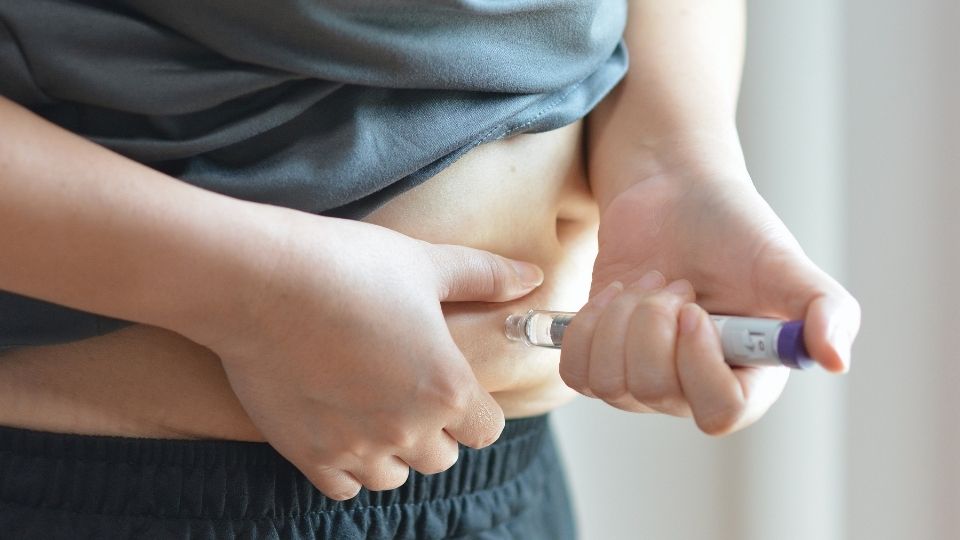
Semaglutide is available as an oral tablet (Rybelsus) for Type 2 Diabetes, but the specific version approved for weight management (Wegovy) is currently only available as an injection. The semaglutide injection is the more commonly used format for weight management. It’s administered once weekly, typically in the upper arm, abdomen, or thigh.
How Tirzepatide Works
Tirzepatide takes a dual-action approach. It targets both the GLP-1 receptor and the glucose-dependent insulinotropic polypeptide (GIP) receptor, often shortened to GIP and GLP-1 together. By activating both receptors, tirzepatide may amplify some of the effects seen with semaglutide alone, including greater reductions in body weight and improvements in blood sugar control.
This dual mechanism is what makes tirzepatide distinct. The GIP receptor plays a role in insulin secretion and fat metabolism, and some research suggests that combining GIP and GLP-1 activity may produce more pronounced effects on excess weight and weight-related medical conditions.
Side Effects: What to Expect With Either Medication
Side effects for both medications overlap significantly. The most common issues involve the digestive tract. You may experience:
- Nausea, especially when first starting or increasing your dose
- Slow gastric emptying, which can cause bloating and a feeling of fullness that lingers
- Gallbladder problems or gallbladder disease in some cases
- Low blood sugar, particularly if you’re also taking insulin or other blood sugar-lowering medicines
- Severe stomach problems in rare instances
Before starting either medication, tell your doctor about your full medical history. Certain conditions, including kidney disease, chronic kidney disease, a personal or family history of thyroid tumors or thyroid cancer, multiple endocrine neoplasia syndrome, and a history of serious allergic reactions, may affect whether either medication is appropriate for you.
When to Contact Your Provider
Reach out to your doctor right away if you experience trouble swallowing, trouble breathing, signs of serious allergic reactions, blurred vision, or symptoms of a heart attack. These are not typical side effects and warrant prompt attention. You should also be aware of severe abdominal pain that may radiate to the back, which may be a sign of pancreatitis, a rare but known side effect.
Missed Dose: What to Do
If you miss a dose of either medication, the general guidance is to take it as soon as you remember, but only if your next scheduled dose isn’t too close. If your next scheduled dose is within a day or two, skip the missed dose and return to your regular dosing schedule. Do not double up to make up for a missed dose.
If you’re unsure, check the medication guide that came with your prescription or contact your provider. Managing a missed dose the right way helps you stay on track without disrupting your progress.
How They Compare for Weight Loss
Both medications have been studied for their ability to help people lose weight and improve weight-related medical problems. Clinical trials have shown that both can produce significant weight loss when combined with diet, exercise, and lifestyle changes. Tirzepatide has shown slightly higher average weight reduction in some studies, though individual results vary considerably.
| Feature | Semaglutide | Tirzepatide |
|---|---|---|
| Receptor Target | GLP-1 only | GIP and GLP-1 |
| FDA Approved For | Type 2 diabetes, chronic weight management | Type 2 Diabetes, Chronic Weight Management (MASH indication pending/under review) |
| Dosing | Once weekly injection or oral tablet form | Once weekly injection |
| Common Side Effects | Nausea, slow gastric emptying, gallbladder disease | Nausea, slow gastric emptying, gallbladder disease |
| Available as Oral | Yes | No (as of current approval) |
Tell Your Doctor: Important Considerations Before Starting
Both medications interact with other medicines and may not be appropriate depending on your health history. Be sure to tell your doctor about:
- Any history of kidney disease or kidney failure
- Blood vessel disease or high blood pressure
- Obstructive sleep apnea or severe obstructive sleep apnea
- Diabetic retinopathy
- Whether you use birth control pills, since both medications can affect how oral contraceptives are absorbed due to slow gastric emptying
Your medical history guides which option, if either, may be the right choice for your weight management plan.
Is tirzepatide stronger than semaglutide for weight loss?
Some clinical data suggest tirzepatide may produce greater average weight reduction, likely due to its dual GIP and GLP-1 mechanism. That said, individual responses vary, and “stronger” doesn’t always mean “better for you.” Your provider can help determine which option aligns with your health goals and medical history.
Can you switch from semaglutide to tirzepatide?
Some people do transition between medications, typically under medical guidance. Switching may be considered if results plateau, side effects are persistent, or a new indication applies. There’s no universal rule; this is a conversation to have with your prescriber based on your individual needs.
Do these medications require a prescription?
Yes. Both semaglutide and tirzepatide are prescription medications and are not available over the counter. They’re prescribed as part of a broader treatment plan that typically includes an exercise program, dietary changes, and regular follow-up with your provider.
Finding the Right Path Forward With Azona Health
The difference between semaglutide and tirzepatide comes down to mechanism, individual response, and your specific health picture. Neither medication is a universal answer, but for the right person, either can be a meaningful tool in a comprehensive weight loss and health plan.
Azona Health works with patients to evaluate their options, review their medical history, and find an approach that makes sense for their life. If you’re curious about whether either of these medications may be appropriate for you, connecting with the Azona Health team is a good place to start.