

Imagine turning your head quickly to look at a friend and suddenly feeling a sharp, electrical jolt shoot through your skull. It feels like a lightning bolt inside your head, brief but intense, leaving you disoriented and anxious. If this sounds familiar, you are likely asking: What do brain zaps feel like? You are not alone in this experience. This phenomenon, often described as brain shivers, brain shocks, or brain flips, is a jarring but common side effect associated with stopping antidepressants.
While often dismissed as a minor nuisance, these sensations can be frightening if you do not understand them, especially if you are already dealing with mental health concerns. Whether you are currently tapering off medication or just missed a dose, understanding what is happening to your nervous system is the first step toward feeling better. This guide explores the science, the sensation, and practical ways to manage this often underappreciated symptom of antidepressant discontinuation.
Quick Takeaways
- Brain zaps are often described as brief, electric shock-like sensations in the brain that may radiate to the neck or spine.
- They are most commonly triggered by abrupt discontinuation or rapid tapering of serotonergic medications like SSRIs and SNRIs.
- Lateral eye movements (looking side-to-side) are one possible trigger for these electrical jolts.
- While they feel alarming, available evidence suggests brain zaps are not physically dangerous or indicative of brain damage.
- Gradual tapering under a healthcare provider’s supervision is the most effective way to prevent brain zaps.
The Sensation: What Do Brain Zaps Feel Like Exactly?

Describing a subjective neurological sensation is difficult, but people who have experienced brain zaps often share remarkably consistent stories. If you are trying to explain this to a partner or doctor, you might say it feels like a sudden jolt of electricity originating in the center of your head. It is not exactly painful like a headache, but it is deeply uncomfortable and startling. For many, it feels like the brain briefly “blinks” or resets, causing a split-second gap in consciousness.
Others describe the sensation as auditory as well as physical. You might hear a “swoosh,” crackle, or buzzing sound inside your ears at the exact moment the shock hits. It is comparable to the sound of a camera flash charging up, followed by a snap. These sensory disturbances can make you feel unsteady, as if the ground has shifted beneath you. While the zap itself usually lasts less than a second, the disorientation can linger, leaving you feeling “off” or dizzy for several minutes afterward.
- Electric shock: A feeling of current zapping through the head.
- Auditory swoosh: Hearing a mechanical buzzing or zapping noise.
- Vertigo: A momentary loss of balance or feeling like you are falling.
Why Do Brain Zaps Occur? The Science of Brain Chemistry
The exact physiology behind why brain zaps occur is still being researched, but the leading theory involves your neurotransmitters. Medications like selective serotonin reuptake inhibitors (SSRIs) and serotonin norepinephrine reuptake inhibitors (SNRIs) work by increasing the availability of serotonin in your brain. When you take these drugs for a few weeks or months, your brain chemistry adapts to this new “normal.” It actually changes the number and sensitivity of your serotonin receptors to maintain balance. When you undergo antidepressant withdrawal (suddenly stop taking medication), your brain has to rapidly adjust, causing issues like brain zaps.
What is Antidepressant Discontinuation Syndrome? (Antidepressant Withdrawal)

Antidepressant discontinuation syndrome occurs when someone abruptly stops or rapidly reduces antidepressant medication, particularly SSRIs and SNRIs. Symptoms typically include flu-like symptoms, insomnia, nausea, dizziness, sensory disturbances (such as “brain zaps”), and irritability. It usually begins within days of stopping medication and can last several weeks. Gradual tapering under medical supervision helps prevent it.
When you stop taking the medication, especially if you do so abruptly, your brain suddenly faces a deficit of serotonin. This rapid shift creates a state of temporary chaos in your central nervous system. Some researchers believe the zaps are a result of misfiring neurons as your brain adjusts to functioning without the drug. A 2018 observational analysis called “Brain Zaps: An Underappreciated Symptom of Antidepressant Discontinuation” found the primary cause of brain zaps was abruptly stopping medication, and that while it was typically a temporary symptom, it had been observed lasting in some for months or years without proper treatment.
The study also highlighted how poorly the symptom is understood compared to other withdrawal symptoms and that these sensations might specifically relate to the brain’s oculomotor system, which controls eye movement. The theory suggests that low serotonin levels disrupt the inhibitory signals that usually smooth out your eye movements, leading to a sensory “glitch” every time you look sideways.
F.I.N.I.S.H and Antidepressant Withdrawal Effects
The acronym F.I.N.I.S.H. helps clinicians and patients remember the common symptoms:
- F – Flu-like symptoms (fatigue, muscle aches, chills, sweating)
- I – Insomnia (sleep disturbances, vivid dreams, nightmares)
- N – Nausea (digestive upset, vomiting, diarrhea)
- I – Imbalance (dizziness, vertigo, lightheadedness)
- S – Sensory disturbances (brain zaps, tingling, electric shock sensations)
- H – Hyperarousal (anxiety, irritability, agitation)
This mnemonic provides a useful framework for recognizing discontinuation syndrome and distinguishing it from other conditions or a relapse of the underlying mental health issue.
What Causes Antidepressant Discontinuation Syndrome?
Discontinuation syndrome occurs when your brain adjusts to the sudden absence of medication it has grown accustomed to. Antidepressants alter neurotransmitter levels, particularly serotonin. When you stop abruptly, your brain needs time to recalibrate its chemistry. Medications with shorter half-lives, like paroxetine and venlafaxine, carry higher discontinuation risks than longer-acting options.
Who Is Most at Risk?
Anyone taking antidepressants for extended periods may experience discontinuation symptoms, but certain factors increase the risk. Those on higher doses, people who stop medication abruptly without tapering, and individuals taking short half-life drugs face a greater likelihood. Previous discontinuation experiences and individual sensitivity to medication changes also play significant roles in determining vulnerability.
How Long Do Symptoms Typically Last?
For most people, discontinuation symptoms emerge within one to four days after stopping medication and resolve within one to three weeks. However, some individuals experience prolonged symptoms lasting several months. Severity and duration depend on factors including which medication you took, how long you used it, and how quickly you discontinued.
Can You Prevent Discontinuation Syndrome?
The most effective prevention strategy involves gradually tapering your medication under medical supervision rather than stopping abruptly. Your doctor can create a personalized reduction schedule, decreasing your dose incrementally over weeks or months. Switching to a longer half-life antidepressant before discontinuing may also help ease the transition for some patients.
When Should You Seek Medical Help?
Contact your healthcare provider if discontinuation symptoms severely impact your daily functioning, persist beyond a few weeks, or include concerning signs like suicidal thoughts. Sometimes symptoms are difficult to distinguish from returning depression or anxiety. Your doctor can help determine whether you’re experiencing discontinuation syndrome or a relapse requiring treatment adjustment.
Other Common Brain Zap Triggers: Beyond Just Stopping Medication
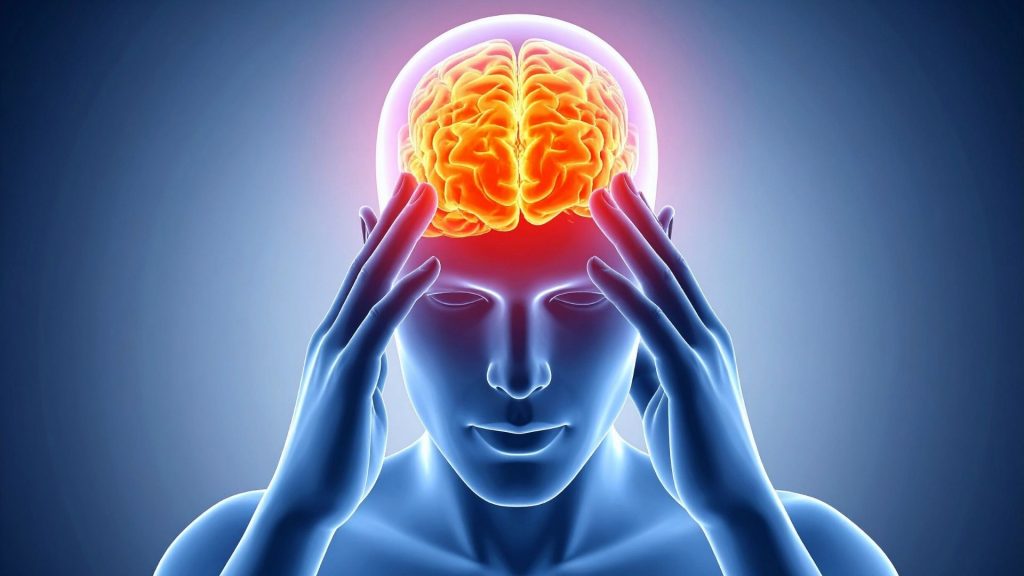
While the primary cause is often antidepressant withdrawal, specific actions can trigger a zap in the moment. You might notice that zaps happen most frequently when you are tired, stressed, or moving physically. One trigger that research suggests is lateral eye movement. This means that simply moving your eyes from left to right without turning your head can set off a brain shiver.
Because the nervous system is already sensitive during withdrawal, external factors like alcohol, caffeine, or lack of sleep can lower your threshold for experiencing these symptoms. It acts like a calm lake that has been disturbed; even a small pebble (like a blink) can cause a large ripple. Understanding these triggers helps you modify your behavior, perhaps by turning your whole head instead of just your eyes, to reduce the frequency of shocks while your body heals.
Comparison of Antidepressant Classes and Risk
| Medication Class | Examples | Half-Life Profile | Risk of Brain Zaps |
| SSRIs (Short Half-Life) | Paroxetine (Paxil) | Very Short (<24 hours) | High |
| SNRIs | Venlafaxine (Effexor) | Short | Very High |
| SSRIs (Long Half-Life) | Fluoxetine (Prozac) | Long (4-6 days) | Low |
| Atypical | Bupropion (Wellbutrin) | Moderate | Moderate/Low |
Are Brain Zaps Dangerous? Addressing the Fear

The most common question people ask after what do brain zaps feel like is: “Are they damaging my brain?” The sensation is so violent and unnatural that it is easy to assume you are suffering a seizure or permanent brain damage. However, current medical evidence suggests that brain zaps are not medically dangerous. They do not cause long-term harm to brain tissue, nor do they indicate a structural problem within the brain itself.
Think of them as a “software” issue rather than a “hardware” failure. Your brain’s hardware is intact, but the signals are briefly crossing wires as the chemical levels recalibrate. However, just because they are not dangerous does not mean they should be ignored. If the zaps are accompanied by confusion, loss of consciousness, or severe muscle spasms, these could be signs of a different neurological issue requiring immediate medical attention. For the vast majority of people, however, they are a temporary, albeit distressing, symptom of the brain healing itself.
According to a meta-analysis review of 50 studies published in JAMA Psychiatry, the most common withdrawal symptom after discontinuation was dizziness, followed by nausea, vertigo, and nervousness. Brain zaps are also thought to be a very common symptom, and a 2024 meta-analysis published in The Lancet Psychiatry estimating around one in six patients experience antidepressant discontinuation symptoms after stopping their medication.
How Long Do Brain Zaps Last? Timelines and Duration
For most people, the experience of brain zaps is transient. If you have stopped your medication, the zaps typically peak within the first few days and gradually fade over one to four weeks. As your brain chemistry stabilizes and serotonin production and regulation return, the frequency and intensity of the shocks will diminish.
However, a small percentage of people experience what is known as protracted withdrawal. In these cases, brain zaps can persist for months or even years after stopping the medication. While most users recover quickly, a minority report sporadic zaps continuing long-term. This variability depends heavily on how long you were on the medication, the dosage, and your individual physiology. Patience is key here; your nervous system is resilient, but it operates on its own timeline.
Risk Factors: Who Is Most Likely to Experience Brain Zaps?
Not everyone who stops an antidepressant will experience brain zaps. Your risk profile is influenced by the specific medication you are taking and how you stop taking it. Medications with a short half-life, meaning they leave your body very quickly, are the biggest offenders. Drugs like Venlafaxine (Effexor) and Paroxetine (Paxil) are notorious for causing severe withdrawal symptoms because the drug levels in your blood drop precipitously within hours of a missed dose.
In contrast, medications like Fluoxetine (Prozac) have a long half-life and leave the body gradually, essentially performing a natural taper. Additionally, the duration of use matters. If you have been on an antidepressant for several years, your brain has become deeply accustomed to the chemical support, making the readjustment period more turbulent. Cold turkey discontinuation, stopping abruptly without a taper, is the single biggest risk factor you can control.
Brain Zaps vs. Similar Neurological Sensations
When you experience an unusual sensation in your head, it’s natural to wonder whether it’s a brain zap or something more serious. Understanding the differences between brain zaps and other neurological conditions can help ease anxiety and guide you toward appropriate care.
Brain Zaps vs. Seizures
Seizures and brain zaps share a superficial similarity in that both involve abnormal electrical activity, but they differ significantly in their nature and effects. During a brain zap, you remain fully conscious and aware of your surroundings. The sensation lasts only a split second and leaves you feeling perhaps mildly disoriented or annoyed. Seizures, by contrast, often involve altered or lost consciousness, can last from several seconds to minutes, and typically leave you confused, fatigued, or with a headache afterward. Seizures may also cause involuntary movements, whereas brain zaps do not.
| Feature | Brain Zaps | Seizures (General) |
| Consciousness | You remain fully awake and aware. | Often involves loss of consciousness or awareness. |
| Duration | Split-second (instantaneous). | Can last from seconds to minutes. |
| After-effect | Mild disorientation or annoyance. | Confusion, fatigue, headache (post-ictal state). |
| Trigger | Eye movement, head movement. | Flashing lights, stress, or random onset. |
Brain Zaps vs. Migraines with Aura
Migraines with aura involve visual disturbances, sensory changes, or speech difficulties that develop gradually over several minutes before the headache begins. These auras typically last between twenty and sixty minutes. Brain zaps, however, strike instantaneously without warning and resolve just as quickly. Migraines usually bring throbbing pain, sensitivity to light and sound, and sometimes nausea. Brain zaps produce no headache and no lingering pain, just that momentary electrical sensation.
Brain Zaps vs. Trigeminal Neuralgia
Trigeminal neuralgia causes sudden, severe facial pain often described as stabbing or electric shock-like. While the “electric” quality sounds similar to brain zaps, trigeminal neuralgia pain occurs in the face rather than inside the head, follows specific nerve pathways along the cheek or jaw, and can be triggered by everyday activities like chewing or brushing teeth. The pain is also considerably more intense and debilitating than the discomfort of brain zaps.
Brain Zaps vs. Exploding Head Syndrome
Exploding head syndrome involves perceiving a loud noise or explosive sensation in the head, typically when falling asleep or waking up. People describe hearing a gunshot, cymbal crash, or bomb going off inside their skull. Unlike brain zaps, which produce an electrical or buzzing sensation during waking hours, exploding head syndrome is primarily auditory, occurs during sleep transitions, and involves no actual physical sensation of shock or vibration.
Brain Zaps vs. Paresthesia
Paresthesia refers to tingling, numbness, or “pins and needles” sensations that can occur anywhere in the body, including the head. While both paresthesia and brain zaps involve unusual sensory experiences, paresthesia tends to build gradually and persist for longer periods. Brain zaps are distinctly sudden and momentary. Paresthesia often results from nerve compression, poor circulation, or conditions like multiple sclerosis, whereas brain zaps are most commonly linked to medication changes.
If you’re uncertain about what you’re experiencing, keeping a symptom diary noting when sensations occur, how long they last, and what triggers them can help your healthcare provider make an accurate assessment. While brain zaps are typically benign and resolve on their own, any new or concerning neurological symptoms deserve professional evaluation to rule out other conditions.
Prevention and Management: How to Avoid Brain Zaps
The most effective way to prevent brain zaps is to avoid stopping your medication abruptly. A gradual tapering strategy, designed by a healthcare provider, is essential. This often involves reducing your dose by small increments over weeks or months. For some, this might mean using a liquid formulation of the drug to achieve very small dose reductions that pills cannot offer.
If you are already experiencing zaps, supportive care can help reduce their intensity. Omega-3 fatty acid supplements (fish oil) have been anecdotally reported to help support brain health during withdrawal. Staying hydrated is also critical; dehydration can exacerbate nervous system sensitivity. Some patients find relief by taking a magnesium supplement, which may help calm the nervous system, though you should always check with your doctor before adding supplements to your regimen.
When to Seek Professional Help
While brain zaps themselves are rarely an emergency, they can be a sign that your withdrawal plan is too aggressive. If the zaps are interfering with your ability to drive, work, or sleep, you should contact your mental health professional. They may suggest reinstating a small dose of the medication to stabilize your symptoms and then resuming the taper at a much slower rate.
Additionally, if you experience new or worsening depression, suicidal thoughts, or signs of mania, these are red flags that require immediate attention. Antidepressant withdrawal syndrome can sometimes mimic a relapse of the original condition, and a professional can help distinguish between the two.
Frequently Asked Questions About Brain Zaps
What are brain zaps?
Brain zaps are brief, electrical shock-like sensations in the head, often described as a sudden jolt, buzzing, or shivering feeling inside the skull. They commonly occur during antidepressant discontinuation, particularly with SSRIs and SNRIs. Triggers often include eye movement or turning the head. While startling and uncomfortable, brain zaps are generally harmless and temporary.
Can anxiety cause brain zaps without medication?
Severe anxiety and high stress can cause sensory symptoms that mimic brain zaps. However, true “brain shivers” are predominantly linked to chemical withdrawal. If you’ve never used serotonergic meds, similar sensations warrant medical evaluation to rule out other causes.
Do brain zaps happen at night?
Brain zaps can occur while trying to fall asleep or during sleep, often waking you up. This is sometimes linked to the brain entering different stages of sleep or the “hypnic jerk” phenomenon, which can be intensified by a sensitized nervous system during withdrawal.
Getting Connected to a Mental Healthcare Provider
Knowing “What do brain zaps feel like” is the first step in demystifying a frightening experience. These electrical sensations are a signal that your brain is working hard to recalibrate its chemistry after stopping medication. While they are generally harmless, they serve as a reminder of the power of these medications and the importance of coming off them gently. If you are struggling with withdrawal symptoms or need guidance on tapering safely, you do not have to do it alone. Azona Health is here to support your journey toward holistic mental wellness with personalized care strategies. Get started to get connected to a mental health provider that can prescribe medications remotely through our telehealth services.